What Is 440C Stainless Steel?
440C stainless steel is a high-carbon, martensitic stainless grade valued for hardness and wear resistance. It appears in bearings, cutting tools, valve parts, and components exposed to repeated contact. The name sounds simple. The material is not.
Its performance depends strongly on heat treatment. Hardening can create a wear-resistant edge, while tempering can help reduce brittleness. A useful takeaway from metallurgist George Krauss’s work on steel is that heat treatment changes microstructure and shapes a material’s properties. That balance matters more than a hardness number alone. A part may resist abrasion yet still fail if its design, surface finish, or loading is unsuitable.
440C contains chromium, but “stainless” does not mean rust-proof. In damp air or chloride-rich conditions, it can stain or pit, especially when surfaces are rough or maintenance is neglected. Keep it clean and dry. Simple, but important.
This guide explains what 440C stainless steel is, how its composition and heat treatment affect performance, and where its strengths and limitations matter. It also compares the grade with related stainless steels and considers practical selection factors, including corrosion exposure, hardness, and upkeep. Published property figures can vary with processing and testing, so verify the actual product’s condition and specifications rather than relying on its grade name alone. That check is easy to skip, but it can prevent a costly mismatch. Hardness often gets the spotlight; application details deserve equal attention. There is no universal best grade.
Definition and Classification of 440C Stainless Steel
440C stainless steel is a high-carbon, chromium-containing martensitic stainless steel. In common grade specifications, its composition typically includes about 16–18% chromium and roughly 0.95–1.20% carbon. Exact limits depend on the governing standard and product form, so a material certificate matters when chemistry must be verified.
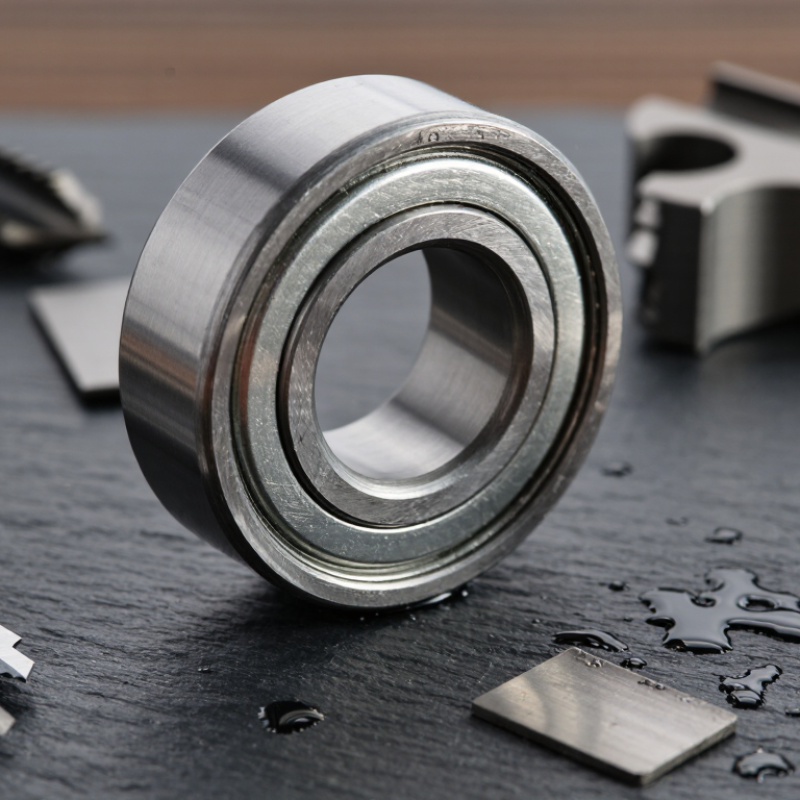
Its classification explains its behavior. Unlike austenitic stainless steels, 440C can be hardened by heat treatment and is generally magnetic. Its high carbon content supports high hardness and wear resistance after suitable processing. That makes it a common choice for precision components such as bearing balls, valve parts, and cutting tools. A trade-off exists: corrosion resistance is useful in many environments, but it does not make the steel immune to rust, especially with moisture, salts, or poor maintenance.
Within the 440 stainless steel family, 440C is generally the highest-carbon grade, compared with 440A and 440B. Small differences matter. Heat treatment, surface finish, and service conditions can change practical performance, so grade name alone is not enough to predict results. Some descriptions treat all 440 grades as interchangeable; that is a simplification worth questioning.
Key Alloying Elements and Their Functions
What Is 440C Stainless Steel?
Key Alloying Elements and Their Functions
440C is a high-carbon martensitic stainless steel, valued for hardness and wear resistance after heat treatment. Its properties come from a careful balance of carbon, chromium, and smaller additions. The balance is useful, but not magic.
Carbon, typically around 0.95–1.20%, helps the steel harden and form hard carbides. These particles resist wear on a cutting edge or bearing surface. More carbon can improve hardness, yet it can also reduce toughness. That trade-off matters.
Chromium, usually about 16–18%, supports corrosion resistance and contributes to carbide formation. It does not make the steel immune to rust. A damp fingerprint left on an uncleaned surface may still become a stain, especially in salty or humid conditions.
Molybdenum may be present in small amounts, helping hardenability and resistance to localized corrosion. Its effect is modest compared with chromium’s. Manganese and silicon assist steelmaking and can influence strength and hardening response. They are minor players here.
Heat treatment changes how these elements behave: the same alloy can feel very different after different quenching and tempering schedules. That detail is easy to overlook. In practice, composition alone does not predict performance; finish, heat treatment, and maintenance matter too.
How Heat Treatment Shapes Its Properties
440C stainless steel is a high-carbon martensitic grade; heat treatment determines whether it behaves like a hard cutting edge or a more damage-resistant component. ASTM A276/A276M specifies 0.95–1.20% carbon and 16–18% chromium. That chemistry supports hardness and corrosion resistance, but it does not guarantee either without controlled processing.
During hardening, steel is heated to roughly 1,010–1,070°C, then cooled rapidly by air or oil, depending on section size and the specified procedure. ASM Handbook guidance on heat treating stainless steels describes this austenitizing-and-quenching route for martensitic grades. The quench forms hard martensite. Small changes matter. A thick part cools differently from a thin blade, and uneven cooling can leave residual stress or distortion.
Tempering follows, often at a relatively low temperature when high hardness is the goal. Published materials data commonly report about 58–60 HRC for properly hardened 440C, though the actual result depends on the full cycle and test conditions. Hardness is not the whole story. A lower tempering temperature can preserve edge retention, while a higher one generally trades some hardness for toughness. The practical choice is less tidy than a datasheet suggests; part geometry and service loading deserve attention.
Sources: ASTM A276/A276M; ASM Handbook, Volume 4A, Steel Heat Treating Fundamentals and Processes.
Corrosion Resistance, Hardness, and Wear Performance
440C stainless steel earns its reputation through heat treatment, not merely its chromium content. ASTM A276/A276M specifies roughly 16–18% chromium and 0.95–1.20% carbon. That carbon helps form hard carbides after hardening. ASM Handbook, Volume 1, lists hardened 440C at about 58–60 HRC, depending on processing. Very hard, indeed.
That hardness supports wear resistance in bearings, valve parts, and cutting components that face repeated contact. In service, a polished bearing race can resist abrasion well, but grit or poor lubrication may still score it. Hardness is not toughness. Thin edges can chip, and overly aggressive heat treatment can make the trade-off worse.
Corrosion resistance is useful, but not equivalent to 304 stainless steel’s. High carbon binds some chromium in carbides, leaving less available at the surface for corrosion protection. ASM’s stainless-steel guidance describes this limitation; ASTM G48 provides laboratory methods for comparing pitting and crevice corrosion, not a universal field-life prediction. Salt, stagnant water, and rough surfaces can expose weaknesses. The details matter. A practical caveat: published hardness ranges are not guarantees; verify the finished part’s heat treatment and test conditions.
What Is 440C Stainless Steel? — Corrosion Resistance, Hardness, and Wear Performance
440C is a high-carbon martensitic stainless steel. Its specified composition includes 0.95–1.20% carbon and 16–18% chromium by weight. After suitable heat treatment, it can typically reach about 58–60 HRC, supporting good wear resistance. Its corrosion resistance is moderate and depends on heat treatment, surface finish, and exposure conditions; it is generally less corrosion-resistant than common austenitic grades such as 304 or 316. Composition ranges shown are specification limits, not a measured batch analysis.
Common Applications and Material Selection Considerations
440C stainless steel is a high-carbon martensitic grade chosen when hardness and wear resistance matter more than easy fabrication. ASTM A276/A276M specifies 0.95–1.20% carbon and 16–18% chromium for this grade. Those figures help explain its response to heat treatment and its useful, but limited, corrosion resistance. It cuts both ways.
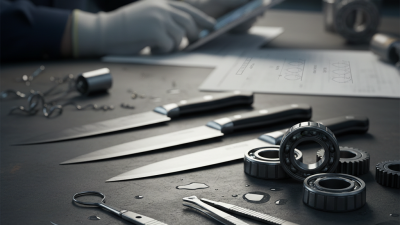
Common uses include bearing balls and races, surgical and food-processing instruments, valve parts, and wear-resistant machine components. A bearing running in a clean, lubricated assembly may benefit from 440C’s hardness. A component exposed to saltwater or frequent chemical cleaning may not. The ASM Handbook on steel selection and properties likewise treats performance as application-dependent, rather than a simple ranking of grades. That matters.
Material selection should consider load, lubrication, temperature, surface finish, and cleaning routine. 440C can be difficult to machine after hardening, so shops typically plan machining and heat treatment together. Its corrosion performance also depends on finish and environment; “stainless” does not mean stain-proof. A polished part may resist staining better than a rough one, but polishing cannot fix poor maintenance. The choice is sometimes less tidy than a specification sheet suggests. Compare the required hardness with corrosion exposure, then test representative parts under actual service conditions.