2026 Best 904L Stainless Steel Plate for Global Buyers?
Choosing the best 904l stainless steel plate in 2026 requires more than comparing price, thickness, or surface brightness. Service chemistry matters.
The International Stainless Steel Forum reported approximately 62.6 million tonnes of global crude stainless steel production in 2024. This expanding market increases supply options, but it also creates quality differences among mills, distributors, and finishing lines. Nickel Institute guidance emphasizes that corrosion resistance depends on alloy composition, temperature, contaminants, and operating conditions. Therefore, 904L should not be treated as a universal solution.
J. R. Davis, author of the ASM Specialty Handbook Stainless Steels, defines stainless steel clearly: “Stainless steels are iron-based alloys containing a minimum of 10.5% chromium.” 904L goes further, using high nickel, molybdenum, and copper levels for demanding acidic and chloride environments. Its typical composition includes about 19–23% chromium, 23–28% nickel, and 4–5% molybdenum, depending on the applicable specification.
Details decide performance.
Global buyers should verify EN 1.4539 or UNS N08904 identification, mill certificates, heat numbers, ultrasonic testing, flatness, and surface finish. ASTM and EN requirements may differ, especially for dimensions and inspection records. A bright surface does not prove corrosion resistance. Neither does a low quotation.
This guide examines plate quality, supplier reliability, fabrication behavior, delivery risk, and lifecycle value. It also recognizes an uncomfortable limitation: even premium 904l stainless steel plate can fail when welding, cleaning, or process conditions are poorly controlled. The “best” plate is therefore application-specific, traceable, and technically justified—not merely the cheapest material available.
What Is 904L Stainless Steel Plate?
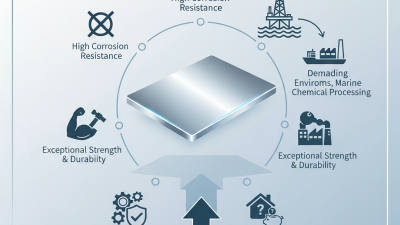
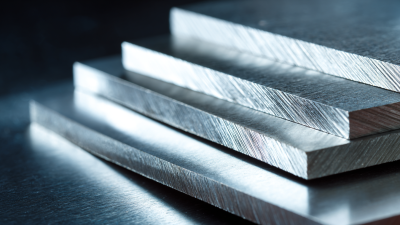
904L stainless steel plate is a high-alloy austenitic stainless steel designed for severe corrosion environments. It contains elevated levels of nickel, chromium, molybdenum, and copper. Its low carbon content supports better resistance after welding. The copper content improves performance in sulfuric acid conditions. Corrosion resistance matters.
Unlike common stainless grades, 904L offers stronger protection against pitting, crevice corrosion, and many reducing acids. It is often selected for chemical processing equipment, marine structures, heat exchangers, and storage tanks. However, it is not indestructible. Chlorides, stagnant liquid, contamination, and poor design can still cause damage.
In practical purchasing, plate thickness, surface condition, and heat treatment deserve close attention. A certified 904L plate should include chemical composition, mechanical properties, heat number, and inspection records. Fabricators should use clean tools and suitable filler metal during welding. Iron contamination from ordinary steel tools can create unexpected rust spots. That detail is easy to miss.
I would not choose 904L only because its alloy content sounds impressive. The operating medium, temperature, stress, and cleaning method must be reviewed together. For demanding service, independent corrosion testing may be wiser than relying on a general grade chart. A plate can meet the standard and still perform poorly in an unsuitable design.
How 904L Stainless Steel Plate Is Made and Classified
904L stainless steel plate begins with carefully proportioned alloy additions. Its chemistry usually includes high nickel, chromium, molybdenum, and copper. These elements improve resistance to sulfuric acid and chloride environments. The raw materials are melted in an electric furnace. Refining processes reduce carbon, sulfur, and unwanted gases. This step matters because small impurities can affect weld performance.
After casting, the slab is reheated and hot rolled into plate. Controlled rolling improves thickness accuracy and internal consistency. Solution annealing then dissolves unwanted phases within the metal structure. Rapid cooling helps preserve its stable austenitic structure.
Pickling removes oxide scale from the surface. Cold rolling may follow when tighter tolerances or smoother finishes are required. The process is not perfectly uniform. Heat history can still influence performance.
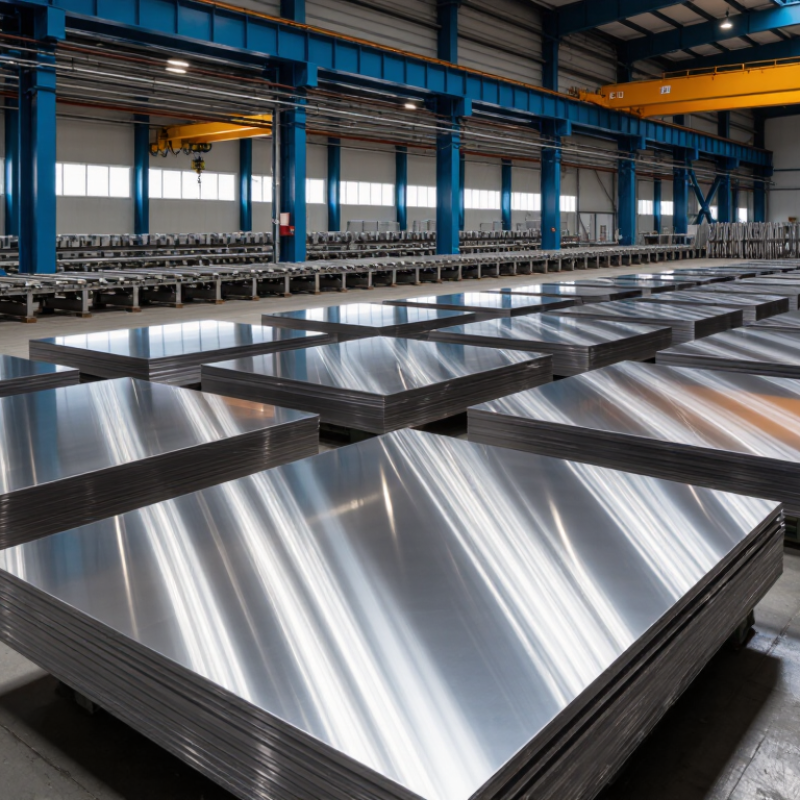
Classification usually considers grade, standard, dimensions, surface finish, and delivery condition. Common designations include UNS N08904 and EN 1.4539. Buyers should verify the applicable ASTM, EN, or equivalent specification. Plate certificates should report chemical analysis, tensile results, thickness, and heat number. Positive material identification can confirm the alloy at receiving inspection. A bright surface proves little. It does not guarantee correct chemistry or corrosion resistance. In practical fabrication, weld records and post-weld cleaning deserve equal attention. This is where many otherwise careful projects become vulnerable. Salt contamination, poor storage, or rough grinding can reduce real service life.
Key Properties and Performance of 904L Stainless Steel Plate
2026 Best 904L Stainless Steel Plate for Global Buyers?
904L stainless steel plate is a low-carbon, high-alloy austenitic grade designed for severe corrosion environments. Its chromium, nickel, molybdenum, and copper content supports strong resistance to pitting and crevice corrosion. It performs especially well in sulfuric acid, phosphoric acid, seawater, and chloride-bearing process conditions. It is not magic. Concentrated acids, high temperatures, and contaminated surfaces still require careful engineering.
From practical plate evaluation, weldability is a major advantage. The low carbon level reduces the risk of sensitization after welding, while its stable austenitic structure supports fabrication. However, poor cleaning can leave heat tint and reduce surface performance. Pickling and passivation should follow a controlled procedure. Forming is possible, but the plate may require higher force than common 304 stainless steel because of its strength and work hardening.
A reliable purchase should include the required standard, thickness tolerance, surface finish, and heat-treatment condition. Check the mill test certificate and verify chemical composition through positive material identification when the service is critical. Ultrasonic testing may help detect internal discontinuities in thicker plates. I would not specify 904L by grade alone. Temperature, acid concentration, welding design, and chloride exposure can change the result. That detail is easy to miss. Some projects also overestimate its strength, since 904L is selected mainly for corrosion resistance, not maximum load capacity.
2026 Best 904L Stainless Steel Plate for Global Buyers
Key Properties and Performance of 904L Stainless Steel Plate
904L stainless steel is a high-alloy austenitic grade designed for demanding corrosive environments. Its high nickel, chromium, molybdenum, and copper content supports strong resistance to sulfuric acid, chlorides, and pitting corrosion. The composition ranges shown are typical specification ranges for UNS N08904 plate commonly aligned with ASTM A240 and EN 10088-2 requirements. Exact limits should be confirmed against the applicable purchasing standard and mill certificate.
How to Select 904L Plate for Different Industrial Applications
2026 Best 904L Stainless Steel Plate for Global Buyers?
How to Select 904L Plate for Different Industrial Applications
Selecting 904L plate starts with the chemical environment, not the lowest quotation. Its typical composition includes about 19–23% chromium, 23–28% nickel, 4–5% molybdenum, and added copper. This combination improves resistance to sulfuric acid and chloride attack. It also supports better resistance to stress corrosion cracking than many standard austenitic grades.
World Stainless reported approximately 58.4 million tonnes of stainless steel production in 2023, showing the scale of this competitive market. Yet volume does not replace correct grade selection.
For chemical tanks, confirm acid concentration, temperature, and contamination levels. For seawater equipment, examine chloride exposure, crevices, welding zones, and cleaning cycles. In pulp, pharmaceutical, and pollution-control systems, surface finish and weld quality can matter as much as the alloy. Request heat numbers, chemical test results, tensile data, and inspection records. Check the required standard, such as ASTM or EN specifications, before approving plate. A useful detail: 904L is not automatically the best choice for every chloride service. Duplex grades may offer higher strength and lower thickness.
Tips: Ask for corrosion test evidence related to your actual medium. Review welded samples, not only mill certificates. The NACE IMPACT study estimated global corrosion costs at about 3.4% of GDP, but cost models remain imperfect. That figure guides planning, not certainty. Recheck assumptions with an independent materials engineer.
Global Buying Standards, Quality Checks, and Supplier Evaluation
Buying 904L stainless steel plate in 2026 requires more than comparing price per tonne. Buyers should match the specification with the service environment. Consider chloride exposure, sulfuric acid concentration, temperature, and welding requirements. Common references include ASTM A240 and EN 10088-2. The contract must define grade, thickness tolerance, dimensions, surface finish, and heat-treatment condition. A familiar standard is not enough.
Quality checks should start with the heat number, not the polished surface. Request a mill test certificate, chemical analysis, tensile results, hardness data, and heat-treatment records. Use positive material identification when documents or markings seem unclear. Inspect both faces under controlled lighting. Look for pits, laminations, edge cracks, dents, and uneven pickling. Measure thickness at several points. Then verify flatness and squareness. For critical service, independent ultrasonic testing can reveal internal discontinuities. These checks cost time. So do failures.
Supplier evaluation should cover traceability, production capacity, export packing, inspection response, and corrective-action history. Ask for sample reports, recent references, and a realistic delivery schedule. A supplier that answers quickly but avoids heat-level records deserves caution. Payment terms matter, yet technical transparency matters more. In one review, a clean surface hid inconsistent thickness near the plate edge. That mistake was preventable, but the inspection plan was too narrow. Buyers should leave room for rechecking assumptions.