Choosing a reliable China supplier requires more than comparing prices or reading polished product pages. This guide examines ten 440c stainless steel suppliers through practical, technical, and purchasing criteria. These include chemical composition, hardness, corrosion resistance, production capacity, certifications, delivery records, and customer support.
440c stainless steel is a high-carbon martensitic grade. It can achieve high hardness after heat treatment, but poor processing may reduce toughness or corrosion performance. Small differences matter. A mill certificate, heat-treatment record, and surface inspection can reveal more than a sales brochure. George Krauss, a respected metallurgist and author of Steels: Heat Treatment and Processing Principles, stated, “The properties of steel are determined by its microstructure.” That principle remains important when evaluating suppliers.
The selected companies should be viewed as potential partners, not automatic winners. A strong supplier may offer vacuum melting, precise annealing, ultrasonic testing, and full material traceability. Another may provide better pricing but weaker documentation. That trade-off deserves careful review. Website claims are not proof. Independent testing, sample orders, factory audits, and clear tolerances provide stronger evidence. Buyers should also confirm whether the material meets applicable ASTM, EN, or customer-specific requirements.
This overview has limits. Supplier capabilities can change, and public information may be incomplete or outdated. Therefore, readers should verify current certificates, export experience, minimum order quantities, and production lead times before signing a contract. The goal is not to promote one company blindly. It is to support a more careful, evidence-based decision when sourcing 440c stainless steel from China.
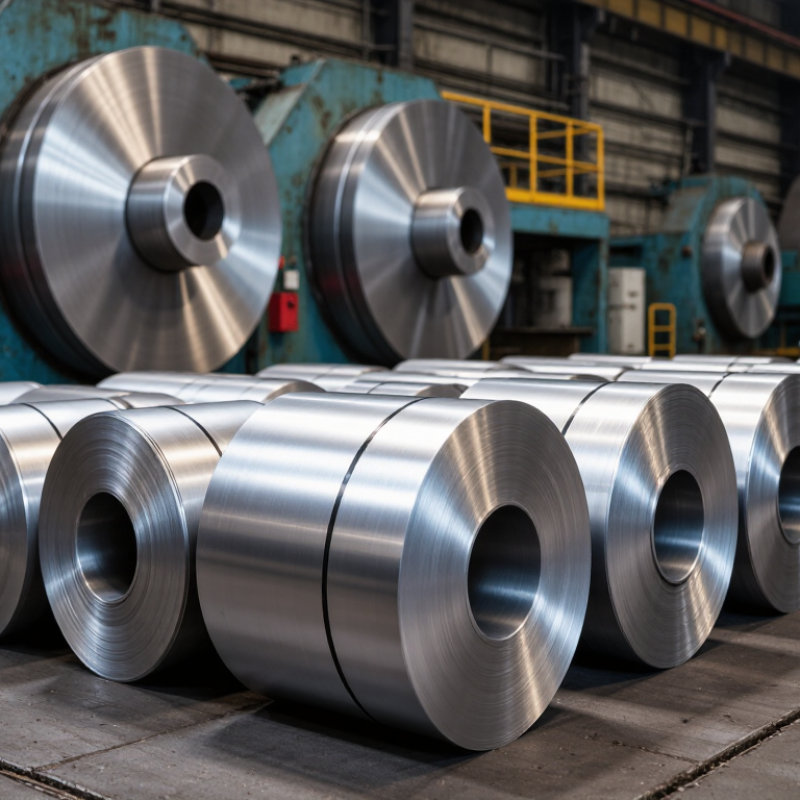
China Top 10 440C Stainless Steel Suppliers?
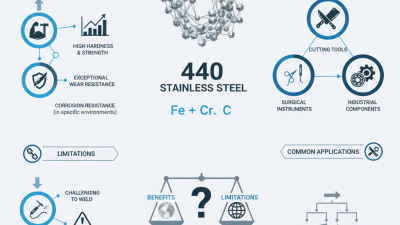
440C stainless steel contains 0.95–1.20% carbon and 16–18% chromium. This chemistry supports high hardness, wear resistance, and useful corrosion resistance after heat treatment. It is a martensitic stainless steel, not a general-purpose stainless grade.
In practical sourcing, the carbon level deserves close attention. Too little carbon may reduce achievable hardness. Too much can increase carbide formation and reduce toughness. Chromium improves corrosion resistance, but 440C still performs poorly in chloride-rich or poorly maintained environments. Do not treat it like a marine-grade material.
Supplier evaluation should include heat numbers, chemical reports, hardness data, and dimensional inspection records. Ask whether testing occurs in-house or through an independent laboratory. A mill certificate alone is not enough. Traceability matters.
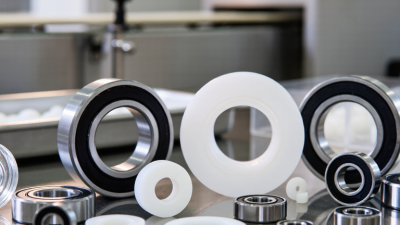
Check annealed hardness before machining. Then verify the final hardness after heat treatment. Typical applications include bearings, surgical instruments, valves, and wear-resistant components. Welding needs caution because cracking can occur without controlled preheating and post-weld treatment.
One overlooked issue is surface condition. Pitting, grinding burns, or decarburization may appear after processing. Inspect the bar under clear lighting, especially near the ends. Some purchasing decisions focus too heavily on price. That can be a mistake. The cheapest 440C may require extra machining, sorting, or replacement later. Supplier comparisons should examine consistency, not only quoted cost.
Anonymous, specification-based supplier comparison for screening Chinese 440C stainless steel sources without displaying company or brand information.
| No. | Supplier Evaluation Dimension | Verified 440C Requirement | Recommended Supplier Benchmark | Evidence to Request |
|---|---|---|---|---|
| 01 | Chemical composition | C: 0.95–1.20%; Cr: 16.00–18.00%; Mn and Si: typically ≤1.00% each; P: ≤0.040%; S: ≤0.030%; Mo: typically ≤0.75%. | Full heat analysis must comply with the selected material standard and the purchaser’s agreed chemical limits. | Heat analysis certificate and third-party laboratory report where required. |
| 02 | Applicable material designation | AISI 440C; UNS S44004; EN designation commonly identified as X105CrMo17, subject to the ordered standard and product form. | Supplier should clearly state the exact standard, grade designation, and product form on the quotation. | Quotation, technical data sheet, and material certificate. |
| 03 | Product forms | Common forms include round bar, flat bar, plate, sheet, coil, wire, tube, and precision-ground bar. | Selection should match the application; ground bar and wire are preferred for precision bearing and tooling components. | Product catalog, dimensional range, and available tolerances. |
| 04 | Heat-treatment condition | 440C is generally supplied in annealed condition for machining or hardened and tempered condition for wear resistance. | Supplier should provide a documented annealing, hardening, tempering, and cooling procedure for each batch. | Heat-treatment chart and batch traceability record. |
| 05 | Hardness capability | Annealed 440C is commonly specified at approximately ≤269 HB; hardened material is commonly used around 58–60 HRC, depending on the treatment cycle. | Hardness range must be agreed according to the required machinability, wear resistance, and dimensional stability. | Hardness test results, test method, and sampling plan. |
| 06 | Dimensional tolerance | Tolerance depends on product form, size, rolling or forging route, and whether the surface is peeled, turned, ground, or polished. | Precision applications should use a supplier capable of controlled straightness, roundness, surface finish, and size tolerances. | Inspection standard, dimensional report, and sample approval. |
| 07 | Surface quality | Typical conditions include hot-rolled, black, peeled, turned, cold-drawn, ground, polished, or bright surface. | For bearing, valve, mold, and cutting applications, surface defects should be controlled through appropriate finishing and inspection. | Surface-finish specification, inspection photographs, and nonconformity procedure. |
| 08 | Mechanical and metallurgical inspection | Important checks include hardness, tensile properties where specified, grain structure, carbide distribution, inclusions, and internal soundness. | Supplier should maintain heat-level traceability and use qualified inspection equipment with calibrated instruments. | Mill test certificate, metallographic report, ultrasonic report, and calibration records. |
| 09 | Corrosion and application suitability | 440C provides good wear resistance and moderate corrosion resistance, but its high carbon content reduces corrosion resistance compared with lower-carbon stainless grades. | Best suited to wear-resistant components such as bearings, valve parts, dies, surgical instruments, and high-load tooling where the environment is appropriately controlled. | Application references, corrosion-test data when relevant, and recommended service limitations. |
| 10 | Quality and export documentation | Commercial documentation should identify grade, standard, heat number, size, quantity, condition, inspection results, and country of origin. | Preferred: traceable batch documentation with clear packing, marking, and export records. | Certificate of origin, packing list, commercial invoice, inspection certificate, and traceability statement. |