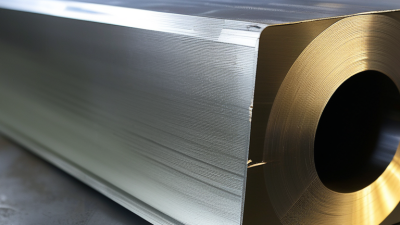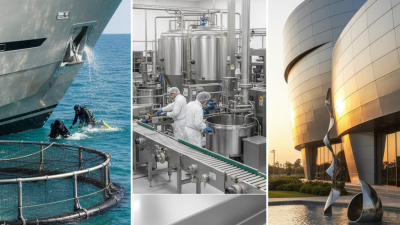
Global buyers rarely choose stainless steel by appearance alone. They examine performance, documentation, supply stability, and total cost. This is why 316 stainless steel properties matter across marine equipment, food-processing lines, chemical systems, and architectural projects. Its molybdenum content improves resistance to chloride-related pitting, especially around saltwater, coastal air, and cleaning chemicals. Still, it is not corrosion-proof.
Real procurement decisions require more than a product brochure. Buyers should compare chemical composition, tensile strength, weldability, surface finish, and service temperature. Mill test certificates can confirm heat numbers, grade requirements, and applicable standards such as ASTM or EN specifications. Traceability matters. A missing certificate can delay inspection or create costly uncertainty at the installation site. Experienced suppliers also explain whether the material is 316 or 316L, since lower carbon content can support better welding performance.
Yet, some assumptions deserve careful review. A brighter surface does not always indicate better quality. A higher price does not guarantee longer service life. Poor fabrication, iron contamination, or unsuitable cleaning methods can damage well-selected material. No grade is perfect. Global buyers should assess the actual environment, including chloride concentration, moisture, abrasion, and maintenance practices. They should also verify manufacturing capacity, inspection procedures, packaging, and delivery reliability. A careful evaluation of 316 stainless steel properties helps companies reduce technical surprises while making purchasing decisions that remain practical, verifiable, and commercially sound.
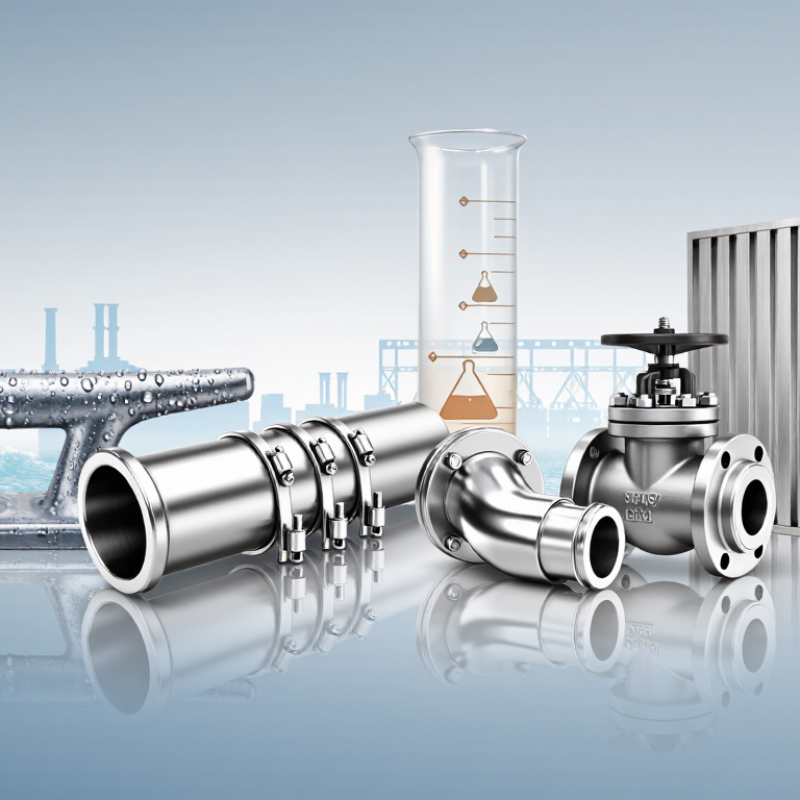
When global buyers evaluate 316 stainless steel, composition is more than a laboratory figure. Its 16–18% chromium helps create a passive surface layer that resists oxidation. Nickel, at 10–14%, supports toughness and stability across changing temperatures. Molybdenum, at 2–3%, improves resistance to pitting, especially in chloride-rich environments such as seawater and coastal air. Small differences matter.
In practical purchasing, I compare mill certificates with the required grade and production standard. This step can reveal whether the supplied material matches the quoted chemistry. However, composition alone does not guarantee field performance. Carbon content, heat treatment, welding quality, surface condition, and fabrication methods also influence durability. A poorly finished surface may corrode sooner than expected.
For global projects, buyers should examine the service environment before selecting 316 stainless steel. Salt spray, cleaning chemicals, temperature changes, and stagnant water create different risks. The molybdenum content helps, but it is not magic. I have seen specifications focus heavily on percentages while overlooking weld zones and surface contamination. That oversight can become expensive. Independent testing, traceable documentation, and suitable corrosion evaluations provide stronger confidence than a product description alone. Some applications may still require a different alloy or additional protection.
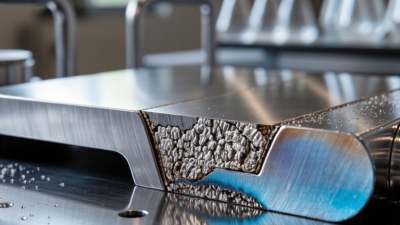
For global buyers, 316 stainless steel is valued for its resistance to chloride-driven corrosion. Its 2–3% molybdenum content strengthens the passive surface film. This helps reduce pitting and crevice corrosion in seawater, coastal air, and salt-processing equipment. Chloride ions can attack weak points, producing small holes that spread beneath the surface. The damage may look minor at first. It is not.
Molybdenum improves performance, but it does not make 316 stainless steel corrosion-proof. Surface contamination, poor welding, stagnant water, and rough finishes can still create failures. In field inspections, drainage and cleaning often matter as much as alloy selection. Buyers should review chemical composition reports, mechanical certificates, and relevant corrosion testing. A small variation in molybdenum content may affect long-term confidence, especially in warm chloride environments. That detail is easy to overlook.
Tips: Confirm molybdenum content through a mill test report. Check whether the material is 316 or a lower-alloy grade. Specify smooth surfaces and proper post-weld cleaning. Avoid narrow gaps where salty water can remain trapped. When conditions are severe, request site-specific corrosion advice rather than relying on a generic grade recommendation.
Why 316 Stainless Steel Properties Matter for Global Buyers?
When buyers compare 316 stainless steel, tensile strength and yield strength often guide material selection. A tensile strength of 515 MPa indicates the minimum stress the material can withstand before breaking. The 205 MPa yield strength shows when permanent deformation may begin. These figures help engineers assess tanks, fittings, frames, and fabricated components under working loads.
Numbers need context. In practical purchasing reviews, buyers should confirm the applicable material standard, product form, thickness, and test direction. Plate, bar, and welded sections may show different results. Cold working can also increase strength, while changing ductility. Certificates should identify the test method, heat number, chemical composition, and inspection results. A single strength number can mislead.
Corrosion resistance remains important too. Molybdenum in 316 stainless steel improves resistance to chloride exposure compared with many common stainless grades. However, it does not make the material immune to saltwater corrosion. Surface condition, crevices, welding quality, and cleaning practices still matter. Buyers should match the 515 MPa tensile and 205 MPa yield values with real service conditions, safety factors, and fabrication requirements. Cost pressure sometimes encourages a quick comparison. That shortcut deserves review.
Representative minimum or typical values for commonly specified wrought stainless-steel products. Actual properties depend on product form, thickness, heat treatment, cold working, and the applicable material standard.
| Property / Buyer Consideration | 316 Stainless Steel | 316L Stainless Steel | 304 Stainless Steel | 2205 Duplex Stainless Steel | 430 Stainless Steel |
|---|---|---|---|---|---|
| Chemical designation | UNS S31600; austenitic stainless steel with molybdenum | UNS S31603; low-carbon austenitic stainless steel with molybdenum | UNS S30400; austenitic chromium-nickel stainless steel | UNS S32205 / S31803; ferritic-austenitic duplex stainless steel | UNS S43000; ferritic chromium stainless steel |
| Minimum tensile strength (MPa) | 515 | 485 | 515 | 620 | 450 |
| Minimum yield strength, 0.2% offset (MPa) | 205 | 170 | 205 | 450 | 205 |
| Minimum elongation in 50 mm | 40% | 40% | 40% | 25% | 22% |
| Maximum Brinell hardness | 217 HBW | 217 HBW | 201 HBW | 293 HBW | 183 HBW |
| Typical density (g/cm³) | 8.00 | 8.00 | 8.00 | 7.80 | 7.70 |
| Typical elastic modulus (GPa) | 193 | 193 | 193 | 200 | 200 |
| Typical thermal conductivity at 20°C (W/m·K) | 14.6 | 14.6 | 16.2 | 19 | 26.1 |
| Approximate coefficient of thermal expansion, 20–100°C (µm/m·K) | 15.9 | 15.9 | 17.2 | 13.0 | 10.4 |
| Magnetic response after annealing | Generally non-magnetic; may become slightly magnetic after cold work | Generally non-magnetic; may become slightly magnetic after cold work | Generally non-magnetic; may become slightly magnetic after cold work | Magnetic | Magnetic |
| Key corrosion-resistance advantage | Improved resistance to chlorides, marine exposure, and many chemical environments due to molybdenum | Similar corrosion resistance to 316 with improved resistance to sensitization during welding | Good general atmospheric and industrial corrosion resistance | High resistance to chloride stress-corrosion cracking and strong mechanical strength | Good atmospheric corrosion resistance in mildly corrosive environments |
| Common buyer applications | Marine equipment, chemical processing, food-processing equipment, heat exchangers, fasteners, and architectural components | Welded tanks, piping, pressure equipment, pharmaceutical equipment, and food-processing systems | General fabrication, kitchen equipment, architectural parts, tanks, and piping | Offshore structures, chemical tanks, desalination equipment, pressure vessels, and structural components | Indoor architectural trim, appliance components, automotive trim, and mildly corrosive equipment |
| Weldability consideration | Good weldability; post-weld corrosion performance depends on section thickness and thermal history | Excellent choice for welded construction because its lower carbon content reduces sensitization risk | Good weldability; low-carbon variants may be preferred for critical welded assemblies | Requires controlled heat input and interpass temperature to maintain the ferrite-austenite balance | Can be welded, but grain growth and reduced ductility may affect heavily welded sections |
| Purchasing relevance | Strong balance of strength, ductility, and chloride corrosion resistance for demanding service | Preferred when extensive welding and corrosion resistance are both important | Often selected for lower-cost general-purpose applications without severe chloride exposure | Selected when higher yield strength can reduce section thickness or improve structural capacity | Cost-effective for decorative or mildly corrosive environments where nickel-containing grades are unnecessary |
Why 316 Stainless Steel Properties Matter for Global Buyers?
For global buyers, 316 stainless steel is selected for demanding environments. Its molybdenum content improves resistance to pitting and crevice corrosion. This matters near seawater, chemicals, and humid processing areas. However, grade selection alone does not guarantee reliable service. Thickness, surface condition, welding, and forming also influence performance.
ASTM A240 is a key manufacturing reference for 316 stainless steel sheets, plates, and coils. Buyers should check the specified grade, dimensions, thickness tolerances, surface finish, and mechanical requirements. A proper mill test certificate should match the heat number and shipment documents. That detail matters. In practice, certificates are sometimes reviewed too quickly, and small mismatches may be overlooked. Plate is often chosen for heavier fabrication, while sheet and coil support lighter components and continuous processing. Actual use should guide the form.
Tips: Request chemical and mechanical test results before production approval. Confirm whether the surface is 2B, No. 1, or another required finish. Ask about edge condition, flatness, packaging, and coil weight. For welded parts, review the intended fabrication method with a qualified engineer. A certificate alone is not proof of perfect performance. It should support, not replace, inspection. Small samples can also reveal unexpected scratches, discoloration, or forming marks before a large shipment is accepted.
ASTM A240 Type 316 stainless steel is commonly supplied as sheets, plates, and coils. Its chromium, nickel, and molybdenum limits help support corrosion resistance, while carbon, manganese, silicon, phosphorus, and sulfur limits help maintain consistent material quality.
Chemical composition limits shown are maximum or permitted ranges for ASTM A240 Type 316 plate, sheet, and strip. Values are percentages by mass; dimensional tolerances and delivery conditions are specified separately in the applicable ASTM requirements and purchase order.
For global buyers, 316 stainless steel properties directly affect purchasing accuracy. Its density is commonly listed near 8.0 g/cm³ in ASTM A240/A240M material references and the ASM Handbook. A 1,000 mm × 2,000 mm × 2 mm sheet therefore weighs about 32 kilograms. Small density differences matter when containers carry thousands of sheets. They also affect freight calculations, warehouse capacity, and project quantities. Weight is not a minor detail.
Grade certification requires closer checking. A supplier’s certificate should identify 316 or 316L, heat number, chemical composition, mechanical results, and test standards. EN 10204 Type 3.1 certification is widely used for traceable inspection documents. Buyers should compare molybdenum content, nickel content, and carbon limits against the purchase specification. ASTM International and the European Committee for Standardization provide useful technical frameworks, but certificates still need review. I have seen purchase teams accept a familiar certificate format without matching every line to the order.
Price per kilogram is only the starting point. The final calculation should include material price, density-based weight, cutting loss, packaging, inspection, inland transport, ocean freight, duties, and expected scrap. The World Stainless Association reported global stainless crude steel production at about 58.4 million tonnes in 2023, showing the scale of this market. Yet market scale does not guarantee a low delivered cost. A cheaper coil may have poorer yield or incomplete traceability. The calculation can be imperfect, especially when freight rates change. That is worth admitting. Experienced buyers should model at least two delivery scenarios before approving the order.
To learn more about any of the products and services provided by Abbott Ball Company, Inc., simply complete the form below.