Choosing a stainless steel ball bearings manufacturer in China takes more than comparing prices. The right supplier should match the bearing’s material, dimensions, load, operating speed, and environment. A small pump, food-processing conveyor, and outdoor instrument may need very different specifications. Details matter.
This guide introduces manufacturers and explains practical points buyers can verify. It considers product range, production capabilities, quality controls, customization, communication, and export experience. Ask how the supplier confirms steel grade, dimensional tolerances, and corrosion resistance. Request relevant inspection records, technical drawings, and samples when appropriate. Then compare the evidence with your application requirements. A sample can reveal rough rotation or inconsistent finishing. It cannot prove long-term performance by itself.
No single ranking fits every buyer. Some manufacturers may suit large-volume orders, while others may be more responsive to specialized dimensions. That distinction is easy to overlook. Company websites and product catalogs are useful starting points, not independent proof of capability. Confirm current specifications directly, and clarify which checks apply to the exact bearing model. This overview aims to help readers assess options carefully, rather than treat a name or low quote as a guarantee. Manufacturers change, and available evidence can be incomplete. A little skepticism is reasonable.
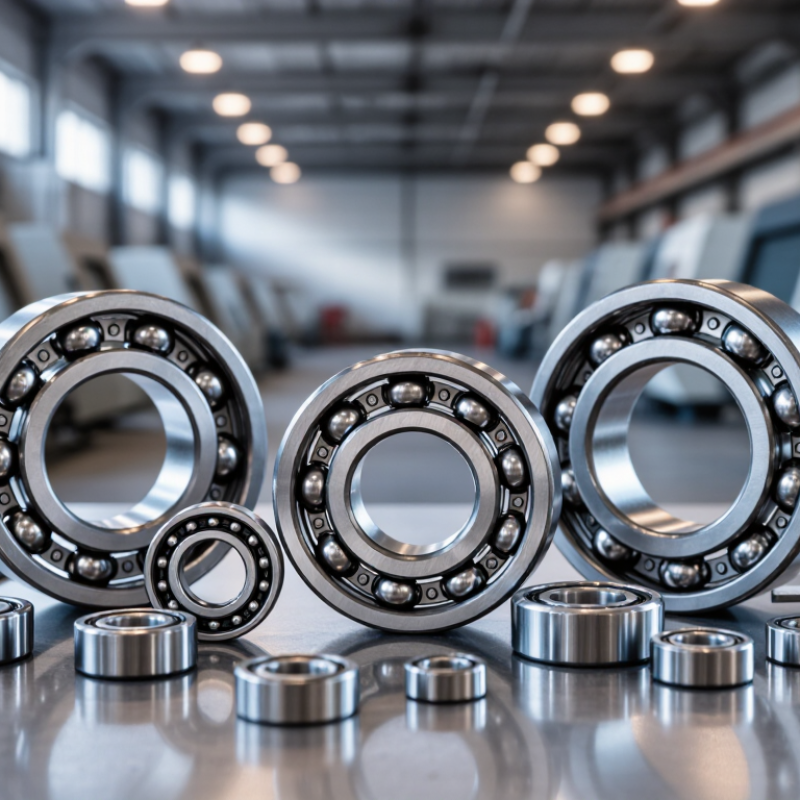
Stainless steel ball bearings use hardened stainless-steel rings and precision-ground balls to reduce friction between moving parts. Compared with standard bearing steel, selected stainless grades better resist moisture and some mild corrosive environments. They are not rust-proof. Salt, cleaning chemicals, and poor lubrication can still cause staining or wear. Design details matter. Raceway geometry, cage material, seals, internal clearance, and lubricant all affect service life. A bearing exposed to frequent washdown needs different protection from one inside a dry instrument.
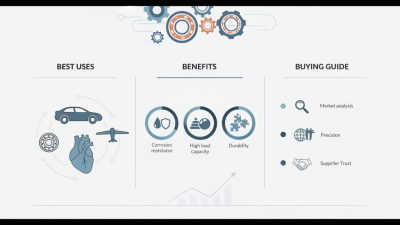
These bearings are used in food-processing conveyors, beverage-filling equipment, marine controls, laboratory instruments, and outdoor automation. In a small conveyor, they may support rollers exposed to regular water sprays, helping limit corrosion-related maintenance. Compact sizes also suit pumps and precision assemblies, but load and speed limits still apply. It is easy to overvalue the word stainless. Buyers should compare operating temperature, radial and axial loads, washdown frequency, and required running accuracy. Material specifications and dimensional inspection records are more useful than a broad corrosion-resistance claim. Even a well-made bearing can fail early if installation is misaligned or the lubricant is unsuitable. Selection takes context.
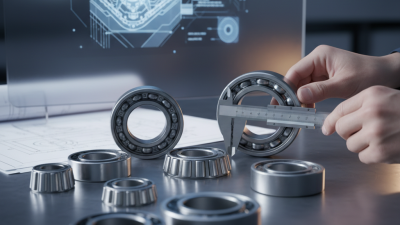
How to Evaluate Stainless Steel Ball Bearing Manufacturers
Evaluating a stainless steel ball bearing manufacturer takes more than checking its product catalogue. The International Stainless Steel Forum reported 58.4 million tonnes of global stainless steel production in 2023, up 4.6% from 2022 (Stainless Steel in Figures 2024). That broad supply base does not prove bearing precision. Ask for material certificates tied to specific production lots, not generic claims about corrosion resistance.
Check measurable performance. ISO 492 specifies dimensional and geometrical tolerances for radial bearings, while ISO 281 sets methods for calculating dynamic load ratings and rating life. Request inspection records for bore size, radial runout, and noise, plus the test conditions behind any load-life figures. Ask how the maker controls heat treatment and raceway hardness. Ask for proof.
Then examine the factory’s process: Can it trace a finished bearing to its steel batch? Are sample units tested under conditions resembling your speed, load, moisture, and cleaning cycle? A polished sample may hide inconsistent production. One caution: buyer checklists can become too demanding for a low-load application. I would compare documented capability with actual operating needs, and admit that supplier visits alone cannot verify every production run.
| Evaluation Dimension | What to Request | How to Evaluate | Reliable Evidence |
|---|---|---|---|
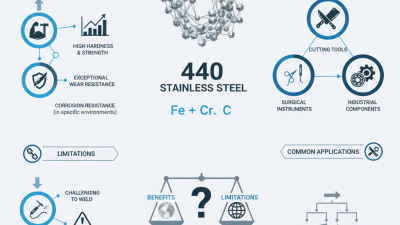
| Material and corrosion resistance | Specify the stainless steel grade for rings and balls, the operating environment, and any required corrosion-resistance testing. | Check that the proposed material suits the application. Martensitic stainless steel such as 440C is commonly used for bearing components; 304 and 316 are austenitic stainless steels and should not be assumed to provide the same hardness as bearing-grade martensitic steel. | Material certificates linked to the production lot; documented chemical-composition and hardness results; a clearly defined corrosion-test method when corrosion performance is specified. |
| Dimensions and tolerances | Request a dimensioned drawing showing bore, outside diameter, width, chamfers, and the required tolerance class. | Compare the drawing and inspection results with the order requirements. ISO 492 specifies dimensional and geometrical tolerances for radial rolling bearings. | Inspection report with measured values, measurement methods, instrument details, and the applicable drawing or tolerance specification. |
| Ball quality and internal clearance | Ask for the ball diameter and grade requirements, bearing internal-clearance designation, and how these are inspected. | Verify that the specified ball and clearance requirements match the bearing design and operating conditions. ISO 3290-1 covers steel balls for rolling bearings. | Product specification, lot inspection records, and traceable measurement results against the agreed requirements. |
| Load ratings and service life | Request the dynamic and static load ratings, speed limits, and the assumptions used for any service-life estimate. | Check that ratings are stated for the exact bearing type and size. ISO 281 provides methods for calculating the basic dynamic load rating and rating life of rolling bearings; calculated life is not a guarantee of actual service life. | Technical data sheet, calculation basis, and written confirmation of the load, speed, lubrication, and operating conditions used. |
| Manufacturing and quality controls | Ask for the process flow, inspection plan, nonconformance procedure, and quality-system certification scope. | Confirm that the documented controls cover the bearing products being quoted, rather than relying on a certificate alone. | Current certificates that can be verified with the issuing body, sample inspection records, and a documented corrective-action process. |
| Lubrication, seals, and operating conditions | Specify open, shielded, or sealed construction; lubricant type; temperature range; and exposure to water, chemicals, or washdown. | Check that the configuration and lubricant are suitable for the actual environment and speed. Confirm whether seals or shields affect the required friction, speed, or maintenance interval. | Configuration drawing, lubricant specification, operating-temperature data, and compatibility information for the stated environment. |
| Traceability and batch consistency | Ask how each production lot is identified and how material, inspection, and shipment records are connected. | Check whether a sample lot can be traced from the finished bearing back to its material and inspection records. | Lot or batch identification on packaging and matching records for material, production, inspection, and shipment. |
| Sampling and incoming inspection | Agree on sample quantities, inspection characteristics, acceptance criteria, and responsibility for testing before shipment. | Use the same drawing, specification, and acceptance criteria for supplier inspection and buyer inspection. Avoid accepting samples that differ from production configuration. | Approved sample record, inspection plan, measurement report, and retained reference sample where appropriate. |
| Capacity, lead time, and order terms | Request a written quotation covering specifications, minimum order quantity, production lead time, packaging, and delivery terms. | Compare offers on the same specification and delivery basis. Distinguish confirmed production lead time from estimated shipping time. | Formal quotation, production schedule, packaging details, and written terms for changes, delays, and rejected goods. |
| Technical communication and support | Submit a drawing and application conditions, then ask the supplier to identify any assumptions or missing requirements. | Assess whether responses address the technical details directly and remain consistent across the quotation, drawing, and inspection documents. | Written technical review, documented specification approval, and a named contact for quality and engineering issues. |
China’s leading stainless steel ball bearing manufacturers serve pumps, food-processing lines, marine equipment, and compact automation systems. Their strengths often include machining capacity, heat-treatment control, and access to steel supply chains. The World Steel Association’s World Steel in Figures 2024 reports that China produced 1,019.1 million tonnes of crude steel in 2023. That scale reflects a broad metalworking base, but it does not prove bearing-grade cleanliness or consistency. Buyers should check each factory’s own process records.
Compare manufacturers by material traceability, ball-roundness tolerances, corrosion testing, and inspection equipment. Ask for mill certificates and recent inspection reports, then confirm that sample parts match the stated tolerances. A polished catalogue is not enough. Stainless steel grades differ in corrosion resistance, and a poor grade choice can shorten service life in wet or washdown settings. Request application-specific guidance, especially for salt spray, chemicals, or frequent cleaning.
Tips: Send a drawing, load, speed, operating temperature, and exposure conditions when requesting a quote. Ask how defects are recorded and handled. If test evidence is vague, pause and ask for clarification. Even capable suppliers can overlook details.
Chinese stainless steel ball bearing manufacturers differ less by location than by engineering focus, production scale, and inspection depth. Some specialize in standard deep-groove bearings for pumps, conveyors, or small motors. Others make miniature bearings, corrosion-resistant grades, or custom dimensions. Compare steel grade, ball roundness, cage material, seals, and operating temperature—not only outer diameter. Two bearings may look identical on a drawing yet behave differently under load.
Tips: Request a data sheet, material certificate, tolerance details, and inspection records for the exact part. Ask how batches are traced and what tests are performed. If possible, test a sample in the actual assembly. Paperwork helps, but it cannot replace fit testing.
Capabilities also vary in heat treatment, grinding accuracy, cleaning, and quality control. Larger plants may handle repeat orders and tight schedules, while smaller workshops can sometimes adapt faster to unusual dimensions. Neither is automatically better. Ask about minimum order quantities, lead times, process controls, and defect handling. One detail is easy to miss: “stainless” does not mean every alloy suits salt spray, chemicals, or high temperatures. Verify the operating conditions with a qualified engineer, and question broad performance claims. Supplier answers should be specific and documented; sometimes they are not.
China has a broad stainless steel ball bearing sector, but a polished catalog does not prove manufacturing capability. Verify the factory behind the quotation. Ask for its production address, process flow, and the steps it performs in-house, such as grinding, lapping, and inspection. Compare those details with a live video walk-through or an independent site visit. Small details matter.
Request material certificates and confirm that the stated steel grade matches the product specification. Check dimensions, surface finish, hardness, and corrosion resistance against your application needs. Ask for inspection reports tied to the actual production batch, not just a generic sample sheet. Then test samples under realistic conditions. A smooth bearing in hand may behave differently under load, moisture, or repeated use.
Review how the supplier handles traceability, rejected parts, and production changes. Clear answers are useful; vague assurances are not. Discuss packaging, lead times, minimum order quantities, and how defects are documented before placing a large order. A written specification helps both sides, though it cannot prevent every misunderstanding. Even a careful audit has limits: a sample may be better than routine production. Request a pilot batch and inspect it before scaling up.
Specified chemical-composition ranges for Type 440C stainless steel, shown as weight percent.
Use the applicable material specification and request a traceable mill test certificate (MTC). Compare the certificate’s chemistry results with the specified limits and, where needed, verify them through independent material testing. Chemistry alone does not establish bearing quality or performance. Reference: ASTM A276/A276M, Type 440C.
To learn more about any of the products and services provided by Abbott Ball Company, Inc., simply complete the form below.