MON - FRI 8AM - 5PM

Who Makes the Best Precision Ball Bearings in China?

Choosing who makes the best precision ball bearings in China starts with a better question: best for which application? A bearing in a quiet medical instrument faces different demands from one inside a high-speed spindle or an industrial pump. Buyers should compare measurable performance, not just polished catalogs or low unit prices. That distinction matters.

Useful evidence includes dimensional tolerances, radial runout, vibration and noise results, material specifications, and inspection records. Ask how each measurement is taken and whether test reports match the batch being quoted. A clean production area, clearly labeled components, and traceable lot numbers can offer practical clues. They are not proof on their own. Supplier audits and sample testing help close that gap.

Chinese manufacturers vary widely in equipment, process control, and export experience. Some specialize in standard sizes; others handle custom designs or demanding operating conditions. A strong supplier should explain its limits, answer technical questions directly, and provide consistent documentation. References from relevant industries can add context, though they do not guarantee results for your design. Even a reputable name may not suit every application.

This guide will examine how to compare precision ball bearings suppliers using product quality, engineering support, production capacity, and service. It will also consider what to verify before placing a large order. No single factory is best for everyone. The right choice depends on operating speed, load, environment, required life, and the evidence available. That takes careful checking.
Who Makes the Best Precision Ball Bearings in China?

What Defines a Precision Ball Bearing?

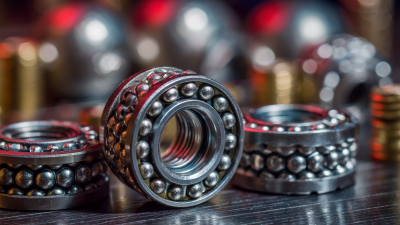
A precision ball bearing is defined by a controlled combination of geometry, fit, materials, and operating behavior. Tight tolerances apply to ball diameter, raceway shape, roundness, and dimensional consistency. Radial runout matters because a rotating shaft can turn small errors into vibration or noise. Internal clearance or preload must suit the load, speed, temperature, and mounting method. Small differences matter.

Material quality and heat treatment affect hardness, fatigue resistance, and dimensional stability. Surface finish also counts: rough contact paths can increase friction and wear. In practical inspection, technicians may check dimensions, runout, noise, and vibration rather than rely on a single specification. A clean work area helps; dust on a raceway can undermine careful assembly. Lubrication must match operating conditions, since too much grease can create heat, while too little may leave contact surfaces poorly protected. Precision is not a magic label. A bearing can meet tight manufacturing tolerances yet perform poorly if installation, alignment, or lubrication is wrong. That detail is easy to overlook.

How Are Chinese Bearing Manufacturers Evaluated?

A precision bearing manufacturer should be evaluated through measurable controls, not broad claims about accuracy. Ask for drawings, tolerance records, material certificates, and inspection procedures for the exact bearing series under consideration. The documents should match the parts supplied, including revision numbers and batch codes. Traceability matters.

Check how the factory measures critical features such as inner-ring diameter, runout, and raceway geometry. Ask which calibrated instruments are used and how often they are verified. A clean, temperature-controlled inspection room can reduce measurement variation. Request sample reports, then compare reported values with an independent inspection where practical. Numbers can mislead.

Manufacturing consistency matters as much as a strong sample. Review process controls for heat treatment, grinding, cleaning, and assembly. Ask how nonconforming parts are isolated and how corrective actions are recorded. For demanding applications, discuss noise, vibration, operating speed, lubrication, and load testing against the intended duty cycle. A test outside those conditions may offer little reassurance.

No audit is perfect. A short visit may not reveal everyday production practices, and one passing sample cannot establish long-term reliability. Buyers should compare records across batches, clarify acceptance criteria before ordering, and check whether technical staff can explain results plainly. Responsiveness is useful evidence, though it cannot replace verified process data.

Which Chinese Manufacturers Specialize in Precision Ball Bearings?

Chinese precision-bearing specialists are best identified by process capability, not catalogue size. Some manufacturers concentrate on angular-contact ball bearings for machine-tool spindles, where runout and heat directly affect cutting accuracy. Others make miniature bearings for instruments or thin-section bearings for compact equipment. Ask for the application range, tolerance class, inspection method, and batch-level measurement records. Details matter.

ISO 492 defines dimensional and rotational accuracy classes, including P4 and P2; buyers should confirm the specified class against the actual application. The China Bearing Industry Association reported 2023 output of about 21.1 billion bearing sets and industry revenue of roughly 231.2 billion yuan. Those figures show a large manufacturing base, not how many producers specialize in precision products. Scale is not precision. Compare measured runout, vibration, noise, and temperature rise under relevant operating conditions. Request test reports tied to production batches, then check whether the supplier can explain deviations clearly. A polished sample may not represent routine output. That caveat is easy to miss.

How Do Manufacturers Compare in Technology and Quality?

Comparing precision ball bearing manufacturers in China requires more than reading accuracy grades. Ask how each factory controls grinding, raceway geometry, and final inspection. A bearing may look flawless, yet small variations in roundness or runout can affect vibration at operating speed. Measurement methods matter. Request inspection records that show actual results, not only stated tolerances.

Quality also depends on stable processes between batches. Review heat-treatment controls, material traceability, cleanliness practices, and documented checks for noise and vibration. Look for calibrated instruments and clear sampling procedures. Useful evidence includes dimensional reports, test conditions, and corrective-action records. A polished brochure is not proof. Still, one sample can mislead; compare several units from separate production lots. Ask how defects are contained and whether process changes are recorded. That answer can reveal more than a certificate alone. Some buyers focus heavily on technology, but even advanced equipment needs skilled operators and disciplined maintenance. The comparison is not always neat. A supplier’s limits, test data, and willingness to explain exceptions deserve careful attention.

How Can Buyers Verify a Supplier’s Precision and Reliability?

When evaluating a Chinese precision ball-bearing supplier, look beyond a polished catalog. Ask for drawings with tolerance classes, radial runout results, hardness ranges, and the inspection method used. A measurement without gauge details is hard to interpret. Request a sample lot and compare several bearings, not just one. Use a calibrated indicator to check runout, then record results against the drawing. Small differences matter in high-speed assemblies.

Tips: Ask for material and heat-treatment records tied to the lot number. Confirm that inspection equipment has current calibration records. Review a recent inspection report, then compare its figures with your own sample measurements. Clarify packaging, lead time, and how defects are handled. Keep questions in writing.

Reliability is a pattern, not a certificate. Compare sample results with later production batches, noting changes in noise, finish, or dimensions. Ask how nonconforming parts are isolated and corrected. Complete documents cannot guarantee consistent production; paperwork alone has limits. Some buyers skip these checks under schedule pressure. That can be costly. Start with a modest trial order, define acceptance criteria before shipment, and retain samples for comparison. If answers are vague or records cannot be traced to a specific lot, pause and investigate further. This is not a perfect screen, but it can expose gaps.

Request a Quote

To learn more about any of the products and services provided by Abbott Ball Company, Inc., simply complete the form below.