The Best Precision Balls for Your Global Sourcing Needs?
In the world of manufacturing, precision balls play an essential role. They are vital in various applications across industries. Choosing the right precision balls can impact product reliability and performance. Sourcing these components globally requires a keen understanding of quality and specifications.
Many factors come into play when considering precision balls. The material, size, and finish are just a few. Not all suppliers meet high standards. It’s crucial to partner with reputable manufacturers. A quality assurance process must be in place to ensure every ball meets rigorous standards.
Exploring global options can be daunting. The market is saturated with choices, each claiming superiority. However, understanding your specific needs will lead to better decisions. Always question the reliability of your sources. In this respect, knowledge is power. Choosing the right precision balls should be an informed and thoughtful process.

Understanding Precision Balls and Their Applications
Precision balls are vital components in various industries, including automotive, aerospace, and medical fields. Their primary role involves reducing friction between moving parts, thus enhancing the efficiency of machinery. According to a report from the International Journal of Engineering Research & Technology, precision balls can improve the overall performance of equipment by up to 30%.
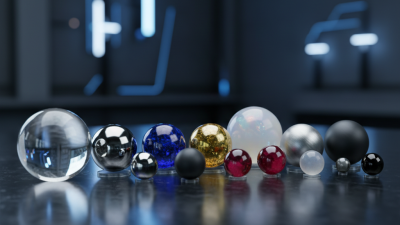
These balls come in various materials, such as steel, ceramic, and plastic, each offering unique advantages. For example, steel balls are renowned for their strength and durability. Ceramic balls, on the other hand, are lightweight and resistant to corrosion, making them suitable for high-speed applications. The need for precision balls continues to grow, with projections indicating a compound annual growth rate (CAGR) of 5.8% through 2025. This data highlights the increasing demand driven by advancements in technology and machinery.
However, sourcing the best precision balls remains a challenge for many companies. Quality control is essential, and inconsistencies can lead to operational failures. Reports show that up to 20% of precision balls delivered may not meet specified standards. Companies must prioritize reliable suppliers and rigorous testing methods to avoid such pitfalls. Balancing cost and quality is necessary yet often difficult in global sourcing.
Factors to Consider When Sourcing Precision Balls Globally
When sourcing precision balls globally, several critical factors come into play. Quality control is paramount. According to the International Organization for Standardization (ISO), adherence to standards like ISO 3290 is essential for consistency in ball dimensions and tolerance. Companies must ensure suppliers maintain these standards to avoid costly errors down the line.
Another significant aspect is material selection. Different applications require different materials. For instance, stainless steel, ceramic, and plastic balls each have unique characteristics. The right choice affects performance and durability. A report from the Global Precision Ball Market indicates that stainless steel balls dominate the market, accounting for over 40% of total sales. Understanding the application-specific requirements can lead to better procurement outcomes.
Logistics and shipping also demand attention. Import regulations and shipping costs can significantly impact sourcing strategies. Delays in shipping can be detrimental. A study by the Institute for Supply Management highlights that 60% of supply chain disruptions stem from logistics issues. Companies must evaluate their supply chain partners thoroughly, ensuring reliable transportation methods are in place. Addressing these factors can enhance sourcing efficiency and quality.
Top Materials Used in Manufacturing Precision Balls
Precision balls are integral to various industries, including automotive and aerospace. The materials used in their production significantly impact performance and durability. Common materials include stainless steel, carbon steel, plastic, and ceramic. Stainless steel is favored for its corrosion resistance and strength. According to a report by the International Organization for Standardization (ISO), over 40% of precision balls are made from stainless steel due to these properties.
Carbon steel balls offer higher hardness and wear resistance, making them suitable for many industrial applications. However, they are more susceptible to rusting. The global market for plastic precision balls is growing, driven by their lightweight nature and resistance to chemicals. In fact, a study found that plastic balls are projected to account for around 20% of the market share by 2025.
Choosing the right material involves understanding specific application needs. Factors such as load capacity, environmental exposure, and cost play vital roles. Reflecting on these needs ensures the selected material meets performance expectations.
Tips for selection: Consider the operating environment of the precision balls. High humidity or exposure to chemicals necessitates materials like stainless steel or plastic. Evaluate the long-term costs associated with every material. Sometimes, upfront savings can lead to higher replacement costs. Always consult with engineering professionals to ensure optimal performance.
Leading Global Suppliers of Precision Balls
When it comes to sourcing precision balls globally, identifying reliable suppliers is crucial. Precision balls are used in various applications, from automotive to aerospace. Having a trustworthy supplier can make or break your production efficiency.
Many leading global suppliers offer different materials, including stainless steel, ceramic, and plastic. Understanding the specific requirements of your project helps in selecting the right supplier. Look for those with industry certifications and proven track records. They should support your specific needs with technical expertise and quality assurance.
In sourcing precision balls, consider these factors. The material should suit the application and environmental conditions. Ensure the supplier can provide customization if needed. Also, evaluate their lead times and support services.
Don't overlook the importance of feedback from previous clients. This can reveal a supplier's reliability and performance. Building a relationship with your supplier fosters trust and communication, ensuring smoother transactions in the future.
The Best Precision Balls for Your Global Sourcing Needs
| Material |
Diameter Range (mm) |
Hardness (HRC) |
Tolerance Level |
Applications |
| Steel |
3 - 25 |
58 - 64 |
±0.01 |
Bearings, Valves |
| Ceramic |
5 - 30 |
Greater than 80 |
±0.02 |
Aerospace, Semiconductor |
| Plastic |
2 - 20 |
Not Applicable |
±0.03 |
Consumer Products, Medical |
| Stainless Steel |
4 - 22 |
30 - 40 |
±0.01 |
Pharmaceutical, Food Processing |
| Glass |
1 - 15 |
Not Applicable |
±0.02 |
Optical Devices, Decorations |
Quality Standards and Certifications for Precision Balls
When sourcing precision balls, quality standards are crucial. These products must meet rigorous specifications to ensure performance and reliability. Different industries have unique requirements, influencing the necessary certifications. Companies often look for ISO certifications, which verify compliance with international quality management standards.
Manufacturers may offer various grades of precision balls. The materials used, like stainless steel or ceramic, can affect durability and performance. Specifications include diameter, hardness, and surface finish. It’s vital to ensure these details align with your needs.
Evaluating certifications can be daunting. Not all manufacturers provide clear information. Transparent documentation fosters trust and helps in making informed decisions. Understanding the intricacies can require some reflection. Reliability in sourcing depends on meticulous attention to detail. The challenge lies in balancing cost with quality.