2026 Best Guide to 440 Stainless Steel for Global Buyers?
In the world of stainless steel, "440 stainless steel" stands out due to its unique properties. As John Lee, a renowned materials engineer, explains, “440 stainless steel combines strength and versatility, making it a preferred choice for various applications.” This alloy boasts high carbon content, improving hardness and wear resistance.
Manufacturers and global buyers alike should understand that selecting the right grade of stainless steel is crucial. The properties of 440 stainless steel make it ideal for cutlery, surgical instruments, and automotive components. Yet, the market is filled with options, making it essential to discern quality from lesser grades.
Despite its advantages, there are challenges with 440 stainless steel. It can be prone to corrosion in certain environments. Buyers need to weigh the benefits against potential drawbacks. Continuous research and expert insight will help navigate these complexities. Trusting knowledgeable sources can prevent costly mistakes when sourcing this valuable material.
Overview of 440 Stainless Steel Properties and Grades
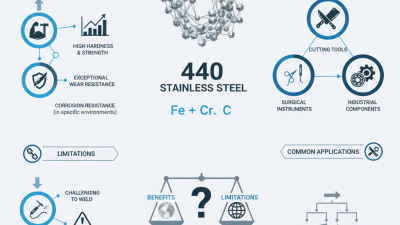
440 stainless steel is a popular choice among global buyers due to its impressive properties. This high-carbon steel offers excellent hardness and wear resistance. It is often used in knives, surgical instruments, and various industrial applications. The three primary grades of 440 stainless steel are 440A, 440B, and 440C, each varying in carbon content and hardness levels.
440A stainless steel has a lower carbon content than its counterparts. This means it is more corrosion-resistant but not as hard. On the other hand, 440C, with the highest carbon content, achieves the greatest hardness, making it ideal for applications requiring sharp edges. However, its high carbon level can reduce corrosion resistance.
Tip: If you are choosing a grade for a specific application, consider the balance between hardness and resistance. Determine the environment where the material will be used. For marine settings, a more corrosion-resistant option like 440A may be better.
Using 440 stainless steel can be challenging due to its hardening characteristics. It requires special heat treatment to achieve optimal performance. Missteps in this process can lead to subpar material properties. Tip: Always consult with a metallurgical expert before proceeding with tough applications. Their insights can guide you in selecting the right grade.
Applications of 440 Stainless Steel in Various Industries
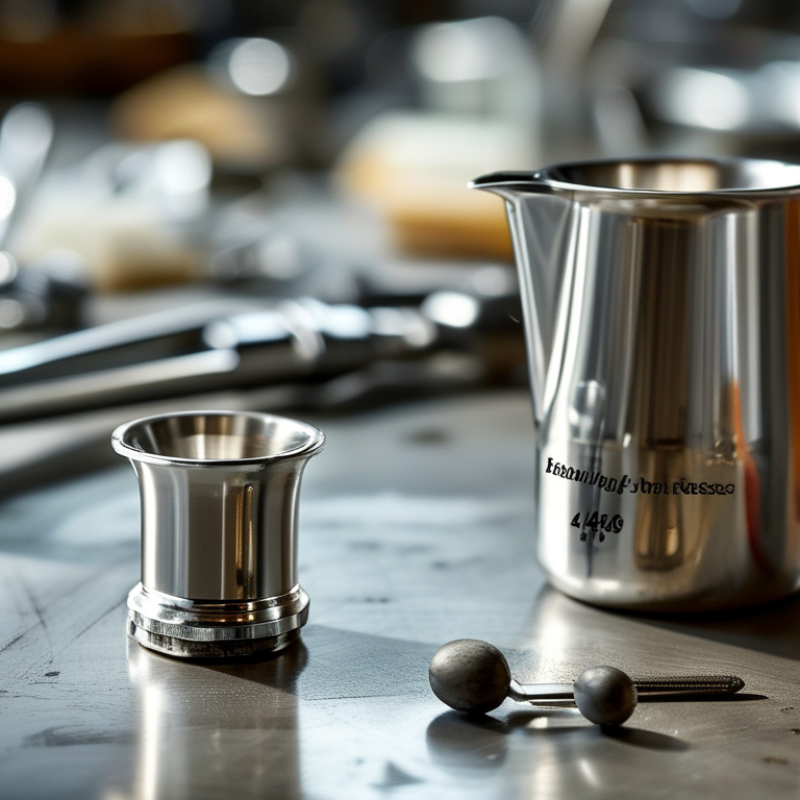
440 stainless steel is known for its high hardness and excellent wear resistance. Many industries benefit from its properties. In cutlery production, 440 stainless steel is a popular choice. Its capability to maintain a sharp edge appeals to manufacturers of knives and surgical instruments. The corrosion resistance also adds to its appeal, ensuring longevity in use.
Moreover, the automotive sector utilizes 440 stainless steel for various components. Its strength can withstand mechanical stress, making it ideal for fasteners and valves. The aerospace industry has started to explore its uses as well. The material’s ability to endure high temperatures is critical in aircraft components. However, challenges arise in terms of weldability, which can limit its application.
In the energy sector, 440 stainless steel plays a role in the production of valves and pumps. Its durability helps these components resist wear over time. Some users have reported difficulties when machining due to its hardness. Finding the right tools for fabrication can be problematic, requiring additional effort and resources. The overall reliability of 440 stainless steel makes it a worthwhile investment in various industrial applications.
Comparison of 440 Stainless Steel with Other Stainless Steel Grades
440 stainless steel is a popular choice among manufacturers for its unique properties. When compared to other grades, it stands out in hardness and wear resistance. This steel can reach a hardness level of up to 58 HRC after heat treatment, making it suitable for applications like cutlery and surgical instruments. In contrast, 304 stainless steel, known for its corrosion resistance, has a hardness of around 20-30 HRC, which is significantly lower.
The chemical composition of 440 stainless steel differs from other grades too. It contains higher carbon content, approximately 0.60% to 0.75%. This results in improved tensile strength but may lead to brittleness under certain conditions. In comparison, 316 stainless steel, with lower carbon content, offers better corrosion resistance but lacks the same hardness.
Buyers should consider the specific application. 440 stainless steel is ideal for products that require sharp edges and durability. However, its heat treatment can sometimes lead to challenges in machining and fabrication. This trade-off must be weighed carefully. Understanding these differences helps in making informed decisions about material selection. It’s critical to align the steel grade with end-use requirements for optimal performance.
Comparison of 440 Stainless Steel with Other Stainless Steel Grades
This bar chart illustrates the tensile strength of various stainless steel grades, highlighting the strength characteristics of 440 stainless steel in comparison to 304, 316, 420, and 410 grades. This information is crucial for global buyers to understand the performance of different stainless steel types.
Global Suppliers and Market Trends for 440 Stainless Steel
The global market for 440 stainless steel is constantly evolving. This material is known for its high hardness and wear resistance. Buyers around the world seek this steel for various applications, including cutlery and industrial uses. As suppliers adapt to changing demand, understanding market trends becomes crucial.
Many suppliers are focusing on sustainability. They aim to provide eco-friendly solutions for clients. This shift is driven by consumer preferences for greener products. Additionally, the increase in manufacturing efficiency has made 440 stainless steel more accessible. However, quality control remains a concern. It is essential to evaluate suppliers for reliability.
Price fluctuations are another aspect to monitor. Economic conditions can impact market stability. Furthermore, geopolitical tensions can affect supply chains. Buyers should seek diverse sources to mitigate risks. Engaging with multiple suppliers may help secure better pricing and availability. Thus, thorough research is vital for informed purchasing decisions in this competitive landscape.
Tips for Purchasing and Sourcing 440 Stainless Steel Products
When sourcing 440 stainless steel products, understanding their applications is crucial. This grade is known for its high strength and corrosion resistance. Industries such as automotive, aerospace, and medical often rely on 440 stainless steel for knife blades, bearings, and surgical instruments. According to a recent industry report, the demand for stainless steel is projected to grow by 4.1% annually, indicating a strong market presence for materials like 440.
Buying 440 stainless steel requires careful consideration. Ensure that you verify the supplier's certifications. Look for compliance with ASTM and ISO standards. Many buyers overlook the importance of testing material properties. Mechanical testing can reveal shortcomings that might compromise product performance. Communication with suppliers is key. They should provide clear information about the steel's metallurgical properties and manufacturing processes, which contribute to its overall reliability.
Lastly, factor in the pricing trends. Raw material costs can fluctuate due to market conditions, impacting your procurement budget. Analyze multiple sources to avoid unexpected expenses. Remember, finding a reliable supplier means doing thorough research. Support from industry experts can help safeguard your investment in 440 stainless steel products.