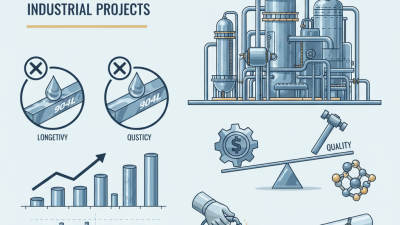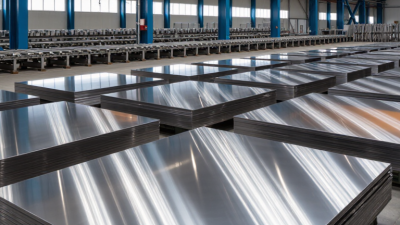
Choosing a reliable 904l stainless steel supplier takes more than comparing prices. Buyers need to verify grade, product form, traceability, and delivery capability. A mill certificate should match the material on the crate, not just the sales quotation. Small details matter.
Corrosion engineer Pierre R. Roberge is a recognized author on corrosion engineering. I cannot verify a direct quotation from him about global 904L sourcing, so I will not invent one. A useful editorial question for this guide is: “Can the supplier prove the grade, document the heat, and deliver the dimensions promised?” This is not a quotation from Roberge. It is a practical check for buyers.
904L is a highly alloyed austenitic stainless steel, often selected for demanding corrosive environments. But the alloy name alone does not guarantee suitability. Application conditions, fabrication, inspection, and the supplier’s documentation all deserve attention. Ask for certificates, clarify tolerances, and confirm whether the offered product is actually in stock. Check the details.
This guide compares suppliers serving global buyers, including their product ranges, documentation practices, and service claims. Information can change, and supplier listings are not endorsements. Some details may be difficult to compare fairly. That is worth admitting. A careful buyer should verify current specifications and availability directly before placing an order.
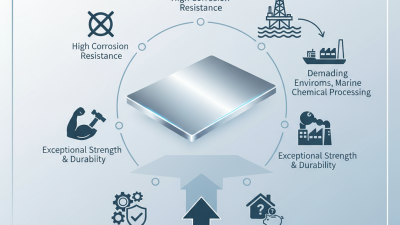
904L stainless steel is a high-alloy austenitic grade valued for corrosion resistance in demanding environments. Its relatively high nickel, chromium, and molybdenum content, along with copper, can help it withstand certain acids and chloride-bearing conditions. It is not immune to corrosion. Performance depends on chemical concentration, temperature, exposure time, and fabrication quality. That detail matters.
In practice, 904L is used in chemical-processing equipment such as tanks, piping, and heat exchangers exposed to selected acidic solutions. It can also suit some pollution-control, marine, desalination, and offshore applications where chloride exposure challenges standard stainless grades. Exact suitability must be checked. Engineers should assess the actual process chemistry, weld procedures, and maintenance conditions before specifying it.
Compared with 316L, 904L often performs better in some acidic and chloride-rich services, but it costs more and may be less readily available. It also requires careful welding and compatible filler selection. A material certificate alone cannot predict service life. Grade selection is a trade-off, not an automatic upgrade.
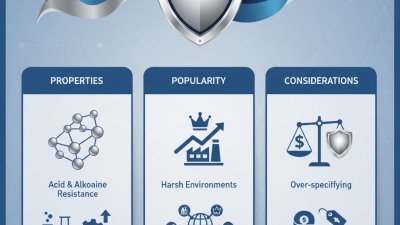
904L earns its place in demanding service through a carefully balanced alloy chemistry. ASTM A240/A240M specifies 23–28% nickel, 19–23% chromium, 4–5% molybdenum, and 1–2% copper. Its maximum carbon content is 0.02%. Molybdenum and chromium help resist localized corrosion, while copper improves performance in many sulfuric-acid environments. Nickel Institute guidance on stainless-steel corrosion stresses that alloy choice must match the actual chemical conditions. 904L is capable, not invincible.
Tips: Check acid concentration, temperature, flow, and contaminants before specifying the grade. Ask for mill test certificates, and confirm that fabrication and weld procedures suit the application. A polished sample in a clean workshop cannot predict every crevice or deposit in service.
For tanks, piping, and process equipment, these details matter: stagnant liquid behind a gasket can behave differently from a moving stream. The alloy’s high nickel and molybdenum content also raises material cost, so it may be excessive where a less-alloyed grade performs adequately. Not a universal fix. ASTM composition limits describe the material, not guaranteed corrosion rates; site-specific testing or corrosion review is prudent.
Typical specified ranges for selected elements in UNS N08904, shown as weight percent.
The high nickel and chromium content, together with molybdenum and copper, helps 904L resist corrosion in demanding environments, including many acidic and chloride-containing conditions. Exact limits can vary by applicable standard and product specification.
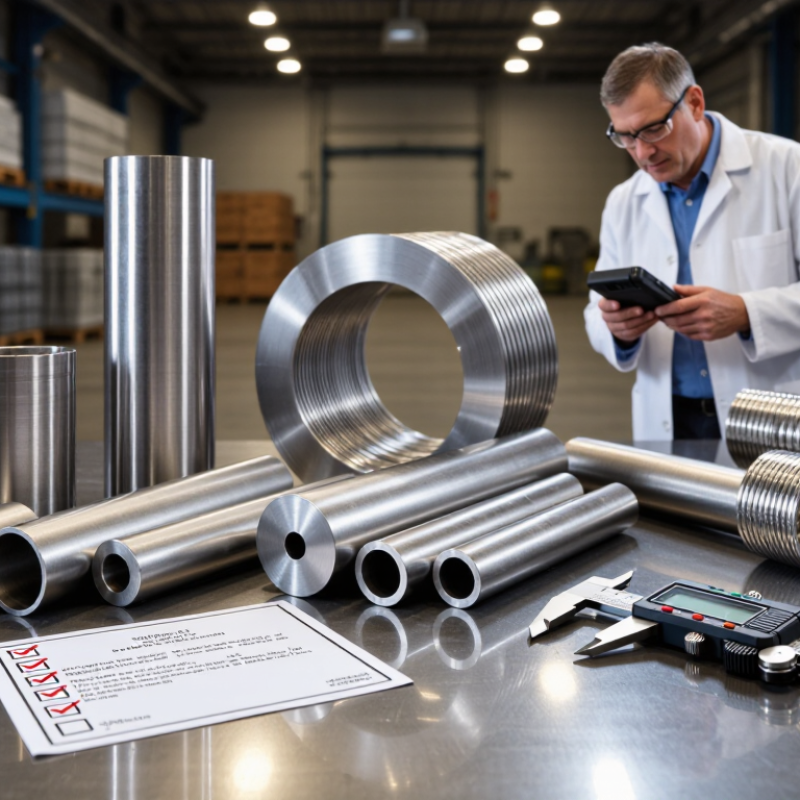
A reliable supplier should provide traceable mill test certificates, clear delivery dates, and evidence that the material matches your specification. Check heat numbers against certificates, then verify key dimensions and surface condition on arrival. Small discrepancies matter. A polished certificate alone is not enough.
For 904L, compare reported chemistry with the purchase specification and the relevant product standard, such as ASTM A240/A240M for plate, sheet, and strip. Typical 904L chemistry includes roughly 20% chromium, 25% nickel, 4.5% molybdenum, and 1.5% copper; confirm permitted ranges rather than relying on nominal figures. Ask whether the supplier can arrange independent positive material identification and explain how it prevents grade mix-ups.
Market scale offers context, but not proof of stock. The World Stainless Association’s Stainless Steel in Figures 2024 reports 58.4 million tonnes of global stainless-steel crude production in 2023, up from 55.3 million tonnes in 2022. That broad supply base does not guarantee prompt access to 904L. Ask for current inventory, cut-size options, and realistic lead times in writing. Request references for comparable orders, too. Even then, supplier claims deserve a second look; I would verify one shipment before making a long-term commitment.
For 904L, check that the certificate matches the exact product form and standard. ASTM A240/A240M covers stainless-steel plate, sheet, and strip; EN 10088-2 covers sheet and strip. ASTM’s composition limits for 904L include 19–23% chromium, 23–28% nickel, 4–5% molybdenum, and 1–2% copper. These figures help screen the grade, but a grade name alone is not proof of compliance.
Request a heat-specific inspection certificate, preferably EN 10204 Type 3.1, and match its heat number to the material marking and packing list. Check reported chemistry and mechanical properties against the ordered specification, including thickness and delivery condition. For higher-risk applications, consider independent positive material identification and accredited laboratory testing. ISO/IEC 17025:2017 sets competence requirements for testing laboratories; ISO 9001:2015 concerns quality management, not product approval. That distinction matters.
Inspect the actual surface and dimensions, too. A neat certificate can still accompany a traceability gap. Check every heat. Where corrosion performance is critical, agree on relevant testing before purchase; ASTM G28 provides methods for evaluating intergranular corrosion susceptibility in certain alloys, but it cannot predict every service environment. Ask the supplier to state the test method, sample location, and acceptance criteria in writing. Small paperwork mismatches are easy to overlook, and I would not treat them as harmless.
For 904L, compare like with like: plate thickness, dimensions, tolerances, finish, quantity, and inspection requirements. A low price may exclude cutting, packing, or material test certificates. Request a line-by-line quotation with currency, Incoterm, payment terms, and quote validity. Check the heat number on the certificate against the markings on the delivered material. Small gaps matter. World Stainless Association data put global stainless-steel production at 58.4 million tonnes in 2023. That scale does not guarantee 904L stock; ask suppliers to confirm actual inventory, not just general capacity.
Delivery promises need dates and evidence. Ask for production lead time, dispatch date, route, shipment milestones, and a plan for delays. UNCTAD’s Review of Maritime Transport 2024 notes that more than 80% of world trade by volume moves by sea, making freight disruptions relevant to delivery planning. Request recent on-time shipment records where available. For service comparisons, check response times, technical support, traceability, packaging, and the process for resolving nonconformities. The World Bank’s 2023 Logistics Performance Index assesses 139 economies across areas including customs, tracking, and timeliness; it can help frame destination-side risks, but it does not rate individual suppliers. A polished quote is not proof of reliable execution. Ask for proof.
Compare supplier routes and verify each offer against the same specification, quantity, delivery term, and inspection requirements. Lead times and pricing are order-specific; request current written quotations rather than relying on generic estimates.
| Supplier route | Best suited for | How to compare pricing | Delivery checks | Service and documentation to confirm | Key purchasing risk |
|---|---|---|---|---|---|
| Producer or mill sales channel | Large-volume orders, repeat programs, and non-standard dimensions | Compare the same product form, specification, thickness, quantity, payment terms, and Incoterm. Ask whether tooling, minimum quantities, or export packing add costs. | Confirm production status, shipment window, port, and whether the quoted date is dispatch or arrival. | Request a material test certificate, traceability details, inspection plan, and export documents applicable to the order. | Minimum order quantities and production schedules may not suit urgent or small requirements. |
| Authorized or specialist stockholder | Standard sizes, smaller quantities, and shorter replenishment needs | Compare the delivered cost, including cutting, packing, handling, freight, duties, and any minimum-order charge. | Verify physical stock, quantity available, warehouse location, dispatch cutoff, and carrier service. | Check heat-number traceability, certificate availability, storage condition, and return or claims process. | “Available” stock should be confirmed for the exact grade, form, dimensions, and quantity. |
| Service center or processor | Cut-to-size plate, sheet, or other processed material | Separate base-material price from cutting, finishing, testing, scrap, and packaging charges; compare usable yield. | Confirm processing capacity, job queue, tolerances, inspection hold points, and final dispatch date. | Agree drawings, dimensional tolerances, surface condition, marking, and documentation for processed pieces. | Processing can affect final dimensions, lead time, and total cost; define acceptance criteria before ordering. |
| Project-focused distributor | Multi-item packages, coordinated shipments, and project documentation | Compare the itemized package total and payment milestones; identify freight, inspection, and document fees. | Request a line-item delivery schedule and confirm whether partial shipments are permitted. | Agree the document index, inspection coordination, packing list, origin documents, and claims contact. | Confirm which party is responsible for sourcing, inspection, transport, and resolving non-conformities. |
| Check | What buyers should specify or verify | Why it matters |
|---|---|---|
| Grade identity | 904L; UNS N08904; commonly designated EN 1.4539. Confirm the governing product standard and edition. | Grade designations alone do not define every product-form requirement or acceptance criterion. |
| Product form and dimensions | State plate, sheet, coil, bar, pipe, or fitting; include dimensions, tolerances, quantity, and required finish. | Availability, pricing, applicable standards, and delivery depend on the form and size. |
| Material verification | Request a certificate appropriate to the contract, such as an EN 10204 3.1 inspection certificate when specified; confirm heat-number traceability and any independent inspection requirement. | Documentation and inspection requirements should be agreed before production or dispatch. |
| Commercial basis | Compare currency, quote validity, payment terms, Incoterm and named place, packing, freight, insurance, duties, and taxes. | A low material-only price may not represent the lowest landed cost. |
| Delivery commitment | Ask for a dated dispatch estimate, transit estimate, shipment method, tracking process, and notice procedure for delays. | Production lead time and transport time are different; neither should be treated as guaranteed unless the contract says so. |
904L reference: 904L is a high-alloy austenitic stainless steel. Typical grade composition limits include chromium 19–23%, nickel 23–28%, molybdenum 4–5%, copper 1–2%, and carbon no more than 0.02% by mass; confirm the applicable standard and the supplied material certificate for the ordered product. These figures are not a substitute for a purchase specification. Prices and lead times are not fixed market facts and must be confirmed in a current supplier quotation.
To learn more about any of the products and services provided by Abbott Ball Company, Inc., simply complete the form below.