2026 How to Use Nitronic 60 Stainless Steel for Your Projects?
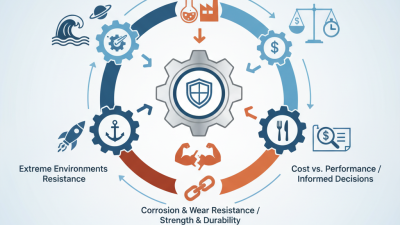
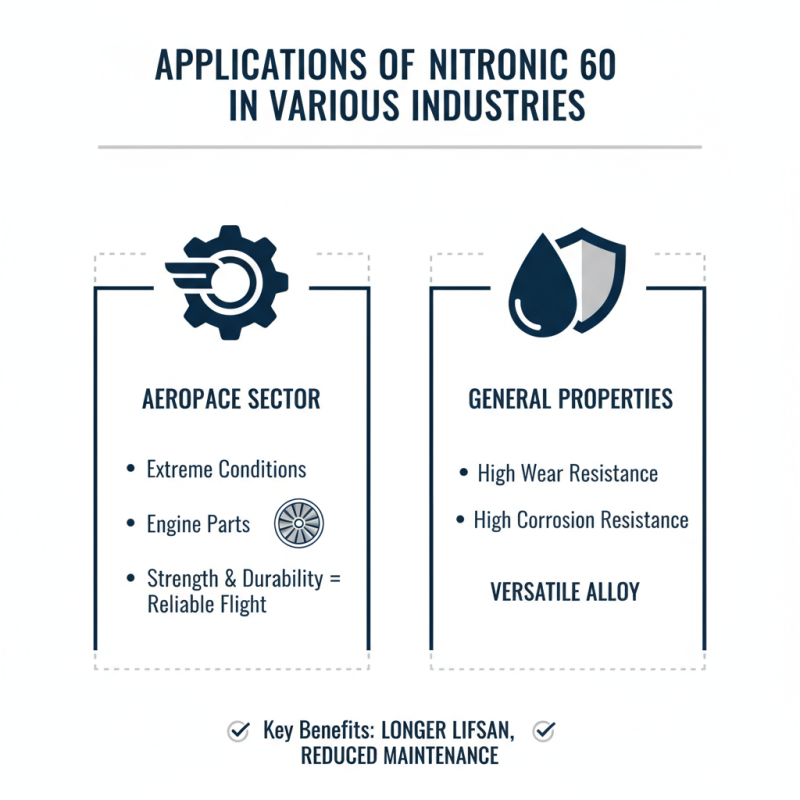
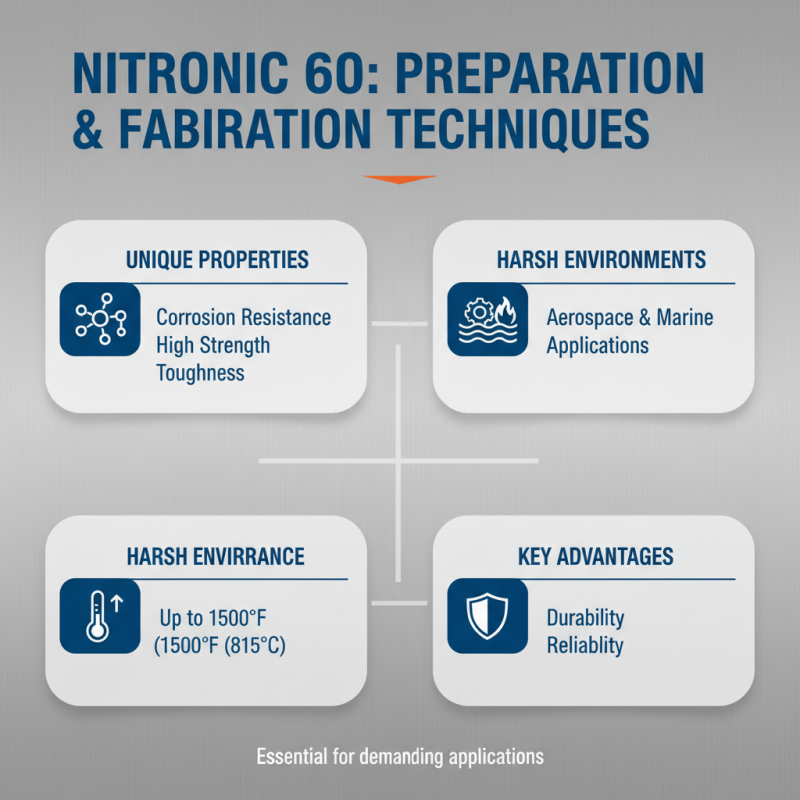
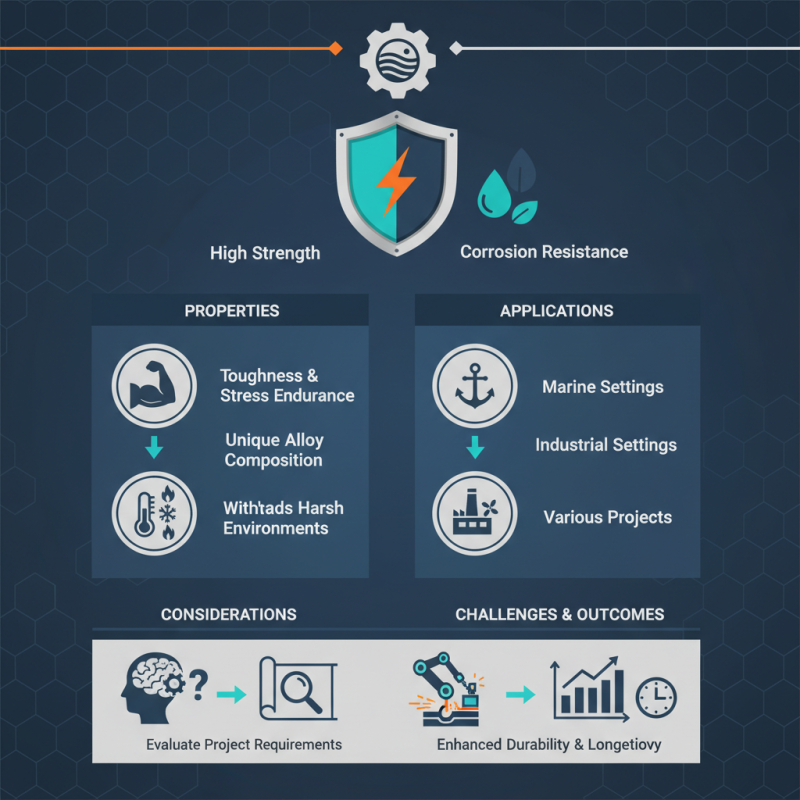
Nitronic 60 stainless steel is renowned for its exceptional properties. This unique alloy combines high strength with impressive corrosion resistance. Many industries find it advantageous for various applications. Its ability to withstand harsh environments makes it a preferred choice in both marine and industrial settings.
When considering projects involving nitronic 60 stainless steel, it is important to understand its characteristics. The alloy's toughness allows it to endure significant stress. However, not all projects may benefit from this material. It is crucial to evaluate specific project requirements before selecting nitronic 60.
While nitronic 60 stainless steel is widely respected, it is not without challenges. Its machining can be tricky, requiring specialized tools and techniques. Understanding these nuances will lead to better outcomes. Thoughtfully applied, nitronic 60 stainless steel can elevate project durability and longevity.
Understanding Nitronic 60 Stainless Steel Properties
Nitronic 60 Stainless Steel is a unique alloy, known for its exceptional properties. Its strength and corrosion resistance make it suitable for various demanding applications. Composed primarily of iron, nickel, and chromium, Nitronic 60 exhibits high tensile strength and good weldability. According to a recent industry study, the alloy maintains optimal mechanical properties even at elevated temperatures. This makes it an excellent choice for high-stress environments.
The alloy’s resistance to galling sets it apart from other stainless steels. In applications involving contact with other metals, such as shafts and gears, Nitronic 60 can reduce wear and prolong service life. Surprisingly, its average yield strength is about 80 ksi at room temperature. This property can be crucial in engineering designs where safety and reliability are vital.
**Tip:** When working with Nitronic 60, consider the welding method carefully. Some techniques may not yield the best results.
Moreover, Nitronic 60's ability to resist pitting and crevice corrosion allows for extended use in marine environments. Such environments can quickly degrade other materials. According to the ASTM standards, the alloy shows a minimum pitting resistance equivalent to 19. This is a considerable factor in selecting materials for naval applications.
**Tip:** Always ensure proper surface preparation to maximize corrosion resistance.
Understanding Nitronic 60 Stainless Steel Properties
Nitronic 60 is known for its exceptional corrosion resistance and high strength. In this chart, we observe key properties like tensile strength, yield strength, and elongation, demonstrating its suitability for demanding applications.
Best Practices for Welding and Joining Nitronic 60
When working with Nitronic 60 stainless steel, understanding best practices for welding and joining is crucial. This alloy is known for its unique properties, including high strength and excellent corrosion resistance. However, welding it can be challenging due to its tendency to warp and distort under heat. According to industry reports, nearly 25% of welding failures in stainless steel occur with Nitronic 60 due to improper techniques.
Use a low-heat input during the welding process. It reduces the risk of thermal distortion. Preheating the material can also help mitigate stress during welding. Experts recommend using a filler metal that matches or closely resembles Nitronic 60's composition. This approach enhances the integrity of welds. A detailed study from the American Welding Society indicates that improper filler selection can lead to a 30% increase in failure rates.
Pay attention to your terminal parameters. Many welders underestimate the importance of joint preparation and cleanliness. Contaminants can severely affect the quality of welds. It's essential to clean the base material thoroughly before beginning. Despite the benefits, some still overlook these critical steps, risking the durability of their projects. Emphasizing attention to detail will ultimately pay off in the long run.
Corrosion Resistance and Maintenance of Nitronic 60 Stainless Steel
Nitronic 60 stainless steel stands out for its exceptional corrosion resistance. This alloy features high levels of chromium and nickel, enhancing its durability in various environments. According to industry standards, it can withstand pitting corrosion in chloride-rich conditions. This makes it ideal for marine applications and chemical processing.
Maintaining Nitronic 60 doesn’t require extensive procedures, but certain practices can improve longevity. Regular inspections help identify early signs of wear. For high-stress applications, consider using protective coatings to enhance resistance further. Be mindful of the operating environment, as factors like temperature and exposure to chemicals can influence performance.
Tips: Keep Nitronic 60 clean and dry. Avoid aggressive cleaning agents. Simple maintenance routines make a difference. In some cases, the alloy may still corrode; thus, it’s essential to stay vigilant. Document any corrosion incidents to refine your maintenance strategies.
2026 How to Use Nitronic 60 Stainless Steel for Your Projects? - Corrosion Resistance and Maintenance of Nitronic 60 Stainless Steel
| Property |
Description |
Value |
| Corrosion Resistance |
Resistant to pitting and crevice corrosion |
Excellent |
| Temperature Range |
Suitable for high-temperature applications |
Up to 1200°F (649°C) |
| Mechanical Properties |
High strength and hardness |
Yield Strength: 95 ksi, Tensile Strength: 140 ksi |
| Maintenance |
Regular cleaning to avoid build-up |
Monthly inspections recommended |
| Applications |
Used in marine, chemical, and food processing industries |
Various industrial applications |