
MON - FRI 8AM - 5PM

Top Shot Blasting Supplies for Global Buyers

Choosing reliable Shot Blasting Supplies requires more than comparing prices or catalog photographs. Global buyers need products that match their machines, materials, production volume, and workplace conditions. The wrong abrasive can leave uneven profiles, damage surfaces, or increase dust and maintenance costs. Small details matter. This guide examines abrasives, blast cabinets, nozzles, hoses, protective equipment, and replacement parts through practical purchasing considerations. It focuses on material quality, dimensional consistency, supplier documentation, and after-sales support. Buyers should review technical data sheets, safety information, certifications, and testing records before placing an international order. These documents help confirm whether a product suits steel fabrication, ship repair, automotive components, or general surface preparation. Application experience also matters, because a supply that performs well in one workshop may fail in another.

Reliable sourcing is not always straightforward. Freight conditions, import requirements, language differences, and inconsistent product naming can create avoidable misunderstandings. Careful buyers should request samples, clarify packaging details, and confirm delivery responsibilities in writing. A reputable supplier should explain expected service life, compatible equipment, storage requirements, and safe handling procedures without making exaggerated promises. Independent inspections can add confidence for larger shipments. Still, no checklist is perfect. Field conditions change, and supplier claims deserve verification. This overview aims to provide a clear, practical starting point for comparing global options. It highlights useful questions, common quality signals, and purchasing risks that may be overlooked during a rushed decision. Better results come from evidence, communication, and realistic expectations. Safety remains essential.
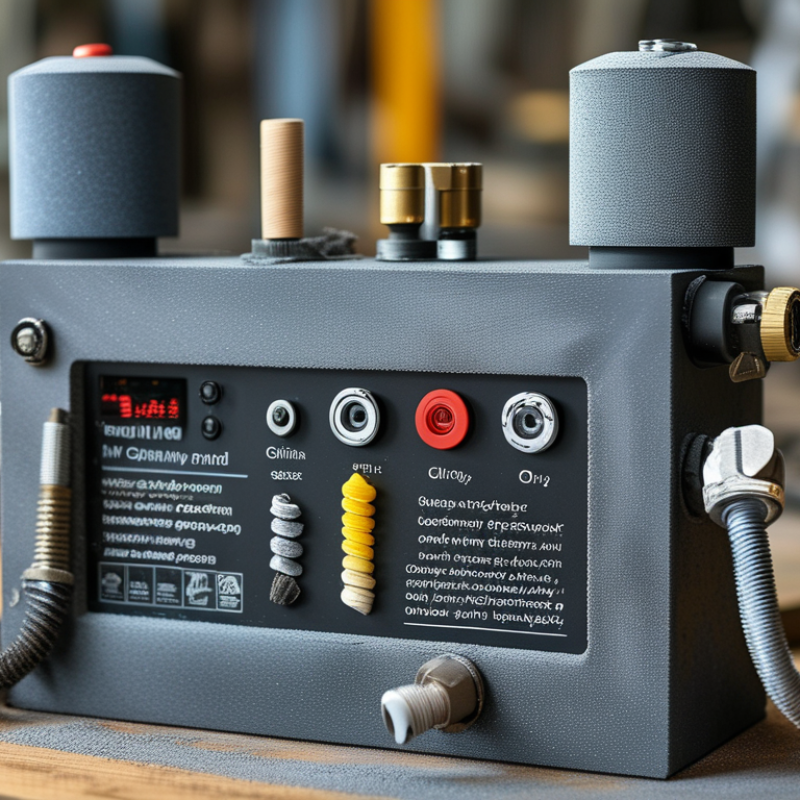
Top Shot Blasting Supplies for Global Buyers

What Shot Blasting Supplies Are and How They Work

Top Shot Blasting Supplies for Global Buyers

What Shot Blasting Supplies Are and How They Work

Shot blasting supplies are the working parts of a surface preparation system. They usually include abrasive media, blast equipment, nozzles or wheels, recovery screens, dust collectors, and protective gear. Each item affects cleaning speed, surface texture, and operating safety.

A blast machine propels small abrasive particles against metal, stone, or other durable surfaces. Compressed air pushes the media through a nozzle. In wheel systems, a rotating wheel throws the particles at high speed. The impact removes rust, scale, old coatings, and casting residue. Recovered media passes through screens that separate usable particles from dust and broken fragments.

Media selection requires care. Steel shot creates a smoother, peened surface and can be reused many times. Steel grit cuts more aggressively and leaves a sharper profile. Glass beads provide a softer finish on suitable materials. Particle size, hardness, air pressure, and working distance must match the job.

Small details matter.

A rough setting can damage thin metal or create an uneven profile. Excessive pressure may waste media and increase dust. In practical purchasing, buyers should check material compatibility, equipment capacity, replacement availability, and local safety requirements. A sample test is valuable, but one test may mislead if the surface condition changes. Operators should record pressure, media size, exposure time, and visible results before approving a larger batch. Personal protective equipment and effective ventilation remain essential during every blasting operation.

Main Types of Shot Blasting Media and Their Uses

Shot blasting media determines how quickly a surface cleans, profiles, or finishes. The wrong abrasive can distort edges, create excess dust, or leave unwanted residue.

Steel shot works well for removing mill scale, rust, and old coatings from durable steel parts. Its rounded shape peens the surface and produces a smoother profile.

Steel grit has sharper edges, so it cuts more aggressively and suits heavy corrosion or welded structures. Both options can be recycled many times when properly cleaned and separated.

Glass beads create a bright, satin-like finish on stainless steel, aluminum, and delicate castings. They clean without cutting deeply. Aluminum oxide offers sharper, faster cutting for surface preparation before painting or coating. It is useful on hard metals, but operators should monitor dust and surface roughness.

Ceramic media can provide consistent finishing on smaller components, especially when dimensional control matters.

Garnet is another practical choice for lower-dust surface preparation, although performance depends on pressure, nozzle distance, and material hardness.

In field work, I have found that media selection often changes after the first test panel. A specification may look perfect on paper. It may still produce too much profile in practice. Check the substrate, coating thickness, required finish, equipment pressure, and recovery system before full production. Test a small area first. Measure the profile afterward. Reusing abrasive without screening can reduce consistency, and that mistake is easy to overlook.

How to Select Equipment for Different Surface Treatment Needs

Selecting shot blasting equipment starts with the surface, not the machine’s advertised power. Steel structures often need aggressive media and a clear anchor profile. Concrete may require lower pressure to avoid exposing weak aggregate. Thin sheet metal needs controlled impact, or warping can appear within minutes. Delicate castings need finer media and adjustable air volume. Small details matter.

According to Grand View Research’s 2024 abrasive blasting equipment analysis, the global market was valued at roughly USD 8 billion in 2023. Its forecast indicates approximately 4% annual growth through 2030. This expansion reflects stronger demand for automated recovery, dust control, and consistent surface preparation. However, bigger equipment is not automatically better. A large cabinet can waste abrasive on small components. A weak dust collector can damage visibility and worker confidence.

For dusty work, check the collector’s airflow, filter rating, and maintenance access. The United States Occupational Safety and Health Administration sets an exposure limit of 50 micrograms per cubic meter for respirable crystalline silica over an eight-hour shift. That figure should influence enclosure design and ventilation choices. Choose steel shot for repeated impact and lower dust. Choose mineral or synthetic media when surface profile control matters more. Test a small area first. It can reveal hidden coatings, soft weld zones, or excessive roughness. One imperfect assumption can ruin an otherwise careful specification.

Quality, Safety, and Compliance Standards for International Buyers

Top Shot Blasting Supplies for Global Buyers

Quality, Safety, and Compliance Standards for International Buyers

Reliable shot blasting supplies begin with verified material quality. Abrasive media should have consistent size, hardness, and cleanliness. These properties affect surface finish, equipment wear, and production costs. Ask for batch numbers, test reports, and traceability records before placing an order. Details matter.

Safety depends on more than the abrasive itself. Buyers should inspect blasting cabinets, hoses, nozzles, pressure vessels, guards, and dust extraction systems. Components need suitable pressure ratings and clear operating instructions. Workers may require respiratory protection, eye protection, gloves, hearing protection, and protective clothing. A quiet workshop can still contain dangerous dust. That risk is easy to underestimate.

International compliance requires careful document checks. Suppliers should provide safety data sheets, technical specifications, packaging details, and inspection records. Importers must also confirm local rules for machinery, electrical systems, chemical labeling, waste handling, and workplace exposure limits. Certificates can support a purchase, but they do not replace local verification. Ask for evidence. Standards may differ between the exporting and importing countries, and translated documents can contain small but important errors. I have seen specifications look complete until pressure ratings or maintenance duties were missing. A practical review should compare the product, paperwork, and actual site conditions before shipment.

Top Shot Blasting Supplies for Global Buyers - Quality, Safety, and Compliance Standards for International Buyers
Abrasive Supply Typical Material Common Size Description Relevant Quality Standard or Test Key Quality Controls Safety and Compliance Requirements Typical Application
Steel Shot Spherical cast or cut steel particles Specified by shot grade or nominal particle diameter; commonly selected according to equipment and surface requirement ISO 11124-3 for high-carbon cast-steel shot; ISO 11124-4 for low-carbon cast-steel shot; ISO 11125 test methods Particle-size distribution, hardness, shape, surface condition, chemical composition, and fracture rate Safety Data Sheet, hazard classification, dust-control instructions, machine guarding, and suitable respiratory protection where required Cleaning and peening of steel castings, fabricated steel, automotive components, and structural parts
Steel Grit Angular crushed steel abrasive Specified by grit grade and particle-size distribution ISO 11124-3 for high-carbon cast-steel grit; ISO 11125 test methods Angular profile, hardness, grain-size distribution, metallic contamination, and recyclability SDS and GHS or locally applicable hazard labeling; control of airborne dust and spent-abrasive residues Heavy-duty rust, mill-scale, coating, and burr removal where a pronounced anchor profile is required
Stainless Steel Shot or Grit Stainless steel alloy particles Specified by particle diameter, grit grade, or cut-wire dimensions Buyer-specified alloy and dimensional requirements; ISO 11125 methods may support applicable metallic-abrasive testing Alloy composition, particle geometry, size distribution, hardness, and absence of ferrous cross-contamination Material traceability, SDS, workplace exposure controls, and segregation from carbon-steel abrasives when contamination is critical Surface treatment of stainless steel, aluminum, and other non-ferrous or corrosion-sensitive components
Fused Aluminum Oxide Fused aluminum oxide mineral abrasive Usually supplied by grit designation and sieve-size distribution ISO 11126-7 specification; ISO 11127 test methods for non-metallic blast-cleaning abrasives Chemical composition, grain size, hardness, moisture, friability, and foreign-particle content SDS, dust assessment, appropriate ventilation, eye protection, and respiratory controls based on workplace exposure evaluation Fast cutting, coating removal, surface preparation, and controlled texturing of hard materials
Glass Beads Soda-lime glass beads Specified by bead size, sieve range, and bead-shape percentage Purchaser specification supported by sieve analysis, bead-shape inspection, and cleanliness testing Roundness, size distribution, surface cleanliness, moisture, and broken-bead content SDS, dust extraction, enclosure of blasting equipment, eye and face protection, and compliance with applicable workplace exposure rules Cleaning, deburring, satin finishing, and low-profile treatment of metal and precision components
Garnet Abrasive Naturally occurring garnet mineral Supplied by graded mesh or sieve range Purchaser specification supported by sieve analysis, mineral composition, moisture, and chloride testing Particle-size distribution, mineral purity, soluble salts, moisture, and visible contamination SDS and product composition documentation; verify respirable-dust and crystalline-silica information for the specific supply Abrasive blasting, waterjet cutting, coating removal, and surface preparation for marine and industrial work
Recycled Glass Abrasive Processed post-consumer or industrial glass Specified by mesh grade and particle-size distribution Purchaser specification supported by sieve analysis, cleanliness testing, and composition documentation Particle size, moisture, sharp-particle content, foreign materials, and batch consistency SDS, dust-management procedures, suitable blasting enclosure, and applicable waste-handling requirements for spent media General surface cleaning and coating preparation where a disposable mineral abrasive is suitable
Plastic Abrasive Media Engineered thermoplastic particles Specified by polymer type, shape, and particle-size range Purchaser specification supported by particle-size, shape, impact-performance, and chemical-resistance testing Particle geometry, density, hardness, moisture, contamination, and suitability for the substrate SDS, ventilation, static-electricity controls where applicable, and confirmation of chemical compatibility Deflashing, paint stripping, and cleaning of sensitive surfaces where reduced substrate damage is required
International purchasing note: Buyers should request a current Safety Data Sheet, certificate of analysis, batch traceability, particle-size report, moisture result, packaging details, and applicable regulatory declarations. Surface-preparation results should be verified against ISO 8501-1 for visual cleanliness, ISO 8503 for surface profile, and applicable ISO 8502 methods for dust and soluble-salt assessment.

Ordering, Packaging, and Shipping Shot Blasting Supplies Globally

Top Shot Blasting Supplies for Global Buyers

Ordering shot blasting supplies globally requires precise specifications. Confirm abrasive type, grit size, hardness, shape, and required volume before requesting quotations. Machine compatibility matters, especially when replacing wheels, nozzles, cabinets, or recovery components. A small mismatch can increase wear and production delays.

Ask for technical data sheets, safety information, batch details, and inspection records. Reliable suppliers should explain tolerances and provide clear commercial invoices. Request a sample when the abrasive grade affects surface finish. This step costs time, but it can prevent a full container of unsuitable material. I have found that purchase teams sometimes focus too heavily on unit price. Freight, rejected goods, and downtime can change the real cost.

Packaging must protect supplies from moisture, impact, and contamination. Use sealed inner bags, strong cartons, and treated pallets where required. Heavy metal media needs reinforced packaging with visible weight markings. Labels should show product description, batch number, net weight, and handling instructions. Packaging is rarely perfect. Photograph each pallet before loading and record seal numbers for later checks.

Shipping plans should match urgency, cargo weight, and destination infrastructure. Confirm the agreed trade terms, insurance coverage, export documents, and customs requirements before dispatch. Check the correct tariff classification with a qualified customs professional. Some ports create unexpected delays. Leave schedule space for inspections, weather, and document corrections. Use shipment tracking and verify delivery conditions immediately after arrival.

Top Shot Blasting Supplies for Global Buyers

Common commercial package weights used for planning international orders and shipment consolidation.

Steel shot, steel grit, glass beads, and aluminum oxide are commonly supplied in 25 kg bags, while plastic blasting media is often packed in smaller 20 kg bags. Buyers should confirm the final package size, pallet count, gross weight, and export packing requirements with the supplier before booking freight.

Request a Quote

To learn more about any of the products and services provided by Abbott Ball Company, Inc., simply complete the form below.