Top 10 Diesel Engine Advantages You Should Know?
The Diesel engine remains a dominant force in various industries, from transportation to construction. According to industry reports, diesel engines account for approximately 60% of the global engine market, highlighting their significance. Experts recognize the advantages of diesel engines in fuel efficiency and longevity. As noted by Dr. Robert Jensen, a leading engineer in the diesel sector, “Diesel engines often outperform gasoline engines when it comes to operational costs."
The robust performance of diesel engines is not without challenges. While they offer greater torque and efficiency, concerns around emissions persist. Today's diesel engines incorporate advanced technologies to meet stringent emission standards, yet some environmental critics call for further advancements. Even with their drawbacks, many industries rely on the reliability and power of diesel engines. They dominate in heavy-duty applications, offering unparalleled performance.
Understanding the advantages of diesel engines is crucial for making informed decisions. This exploration will reveal the top ten benefits that highlight why diesel engines are still widely used. Emphasizing their strengths can spur discussions about improving their weaknesses, ensuring they remain relevant in a changing world.
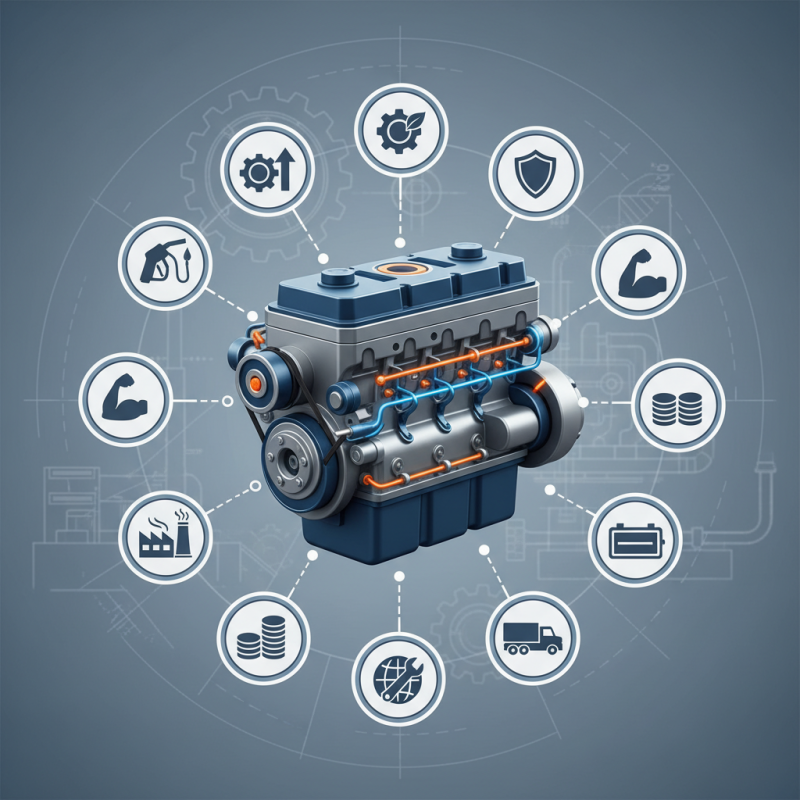
Key Advantages of Diesel Engines in Automotive Applications
Diesel engines have gained popularity in automotive applications due to several key advantages. One major benefit is their fuel efficiency. Diesel engines generally consume less fuel than gasoline engines for the same power output. This efficiency can lead to considerable savings over time. Additionally, diesel engines are known for their longevity. With proper maintenance, they can last significantly longer than their gasoline counterparts.
Torque is another highlight of diesel engines. They provide strong torque at lower RPMs. This makes them ideal for heavy-duty applications such as trucks and SUVs. Drivers often appreciate the immediate power when accelerating, especially when hauling loads or climbing hills.
Tips: Regular maintenance is crucial for maximizing your diesel engine's lifespan. Ensure you change the oil and filters consistently. Also, consider using high-quality diesel fuel for better performance. Pay attention to engine sounds; unusual noises may indicate underlying issues. Keeping a close eye on these factors will enhance your engine's reliability.
In conclusion, while diesel engines offer multiple advantages, they are not without their challenges. Noise and emissions can be drawbacks. Addressing these is vital for maintaining a balanced perspective on using diesel engines in today's automotive landscape.
Fuel Efficiency: How Diesel Engines Outperform Gasoline Engines
Diesel engines are known for their exceptional fuel efficiency. They typically offer better mileage than gasoline engines. This results from the higher energy content in diesel fuel. Compressed air in diesel engines also leads to complete combustion. The result is more power produced with less fuel consumed.
This efficiency translates into significant savings for drivers. Many diesel vehicles can travel longer distances without refueling. In urban settings, the difference in fuel consumption can be striking. However, the initial costs of diesel engines can be higher. Maintenance can also require more attention.
Still, for those who drive often or longer distances, diesel engines can be a wise choice. They offer great performance over time. Though some drivers worry about noise and emissions, advancements are being made. Newer models are quieter and cleaner, addressing these concerns effectively. Each vehicle's individual performance remains an important consideration.
Durability and Longevity of Diesel Engine Components
Diesel engines are well-known for their durability and longevity. Many professionals argue that diesel components last significantly longer than those of gasoline engines. According to a report from the Diesel Technology Forum, well-maintained diesel engines can operate efficiently for over 500,000 miles. This longevity is attributed to their robust construction and lower operating speeds, which reduce wear and tear.
Diesel engines also produce less wear on crucial components, resulting in longer service intervals. A report from the U.S. Department of Energy suggests that diesel engines typically require less frequent maintenance, which can save owners both time and money. This maintenance schedule, combined with resilience in harsh environments, further enhances their appeal for commercial use.
Tip: Regular inspections can maximize the lifespan of your engine. Small repairs can prevent larger, costly issues down the road.
However, the initial setup costs for a diesel engine can be higher. This can lead to hesitation for some buyers. It is wise to consider total ownership costs, including fuel efficiency and longevity, to make a well-informed decision.
Tip: Always choose a reputable service provider for diesel engine maintenance. Expert hands will ensure you get the most from your investment.
Top 10 Diesel Engine Advantages You Should Know
| Advantage | Description | Durability Rating | Longevity (Years) |
| Fuel Efficiency | Diesel engines provide better fuel efficiency compared to gasoline engines, reducing overall fuel costs. | 9/10 | 15-20 |
| Torque | Higher torque at lower RPM supports heavy loads and towing capabilities. | 8/10 | 15-25 |
| Durability | Built to withstand high pressure and operate under tough conditions. | 10/10 | 20-30 |
| Resale Value | Diesel engines tend to have higher resale value after years of use. | 8/10 | 10-15 |
| Lower CO2 Emissions | Diesel engines emit less CO2 than gasoline engines, leading to a smaller carbon footprint. | 9/10 | 15-20 |
| Performance in Cold Weather | Diesel engines usually perform better in cold weather compared to gasoline engines. | 8/10 | 15-20 |
| Longer Service Intervals | Diesel engines often require less frequent oil changes and maintenance. | 9/10 | 15-25 |
| Less Noise | Modern diesel engines operate more quietly than older models, reducing noise pollution. | 7/10 | 10-15 |
| Variety of Applications | Suitable for commercial, agricultural, and industrial use, providing flexibility in application. | 9/10 | 20-30 |
Torque Production: The Power of Diesel Engines Explained
Diesel engines are renowned for their torque production. They deliver exceptional power, especially at low RPMs. This characteristic makes them ideal for heavy-duty applications. According to the Diesel Technology Forum, diesel engines can produce up to 30% more torque than their gasoline counterparts. This advantage is crucial in industries that rely on heavy machinery and transport.
The efficiency of torque output is a significant factor. Diesel engines often utilize turbocharging to enhance performance. This technology allows for more air intake, resulting in better combustion. A report from the U.S. Department of Energy states that turbocharged diesel engines can achieve efficiencies of over 40%. Such figures highlight the potential of diesel engines for maximizing power while minimizing fuel consumption.
However, using diesel engines is not without challenges. The environmental impact, particularly NOx emissions, raises concerns. While advancements in technology aim to address these issues, the balance between power and sustainability remains a topic for discussion. Industries must consider these factors when choosing their engine types, weighing torque capabilities against regulatory requirements and environmental responsibilities.
Top 10 Diesel Engine Advantages
This chart illustrates the top advantages of diesel engines, showcasing their torque production, fuel efficiency, durability, and more.
Environmental Considerations: Emissions and Diesel Technology Advances
The advancement in diesel technology is critical in addressing environmental concerns. Newer diesel engines emit significantly lower pollutants compared to their predecessors. Innovations, like cleaner combustion systems and advanced fuel injection, reduce harmful emissions. This progress means that modern diesel engines produce less nitrogen oxide and particulate matter, improving air quality.
However, diesel engines still face scrutiny. The debate over the environmental impact of diesel fuels continues. Despite advancements, some diesel engines emit greenhouse gases, contributing to climate change. Moreover, public perception often lags behind technology. Many still associate diesel engines with pollution. It's essential to bridge this gap by educating consumers on the benefits of modern diesel technology.
Incorporating more sustainable practices is vital. Future developments may focus on biodiesel and synthetic fuels. These alternatives can further reduce emissions and enhance engine efficiency. Continuous research and user education will foster trust in diesel technology. A shift in perspective is necessary to appreciate these advancements fully.