
MON - FRI 8AM - 5PM

Top Cold Rolled Steel Plate Suppliers Worldwide?

Choosing the Top Cold Rolled Steel Plate Suppliers Worldwide requires more than comparing prices or browsing attractive product pages. Buyers must examine mill experience, production capacity, quality systems, delivery records, and technical support. A supplier may offer bright, smooth sheets, yet fail when thickness tolerance or surface finish matters.

Cold Rolled Steel Plate is produced through controlled rolling and often annealing, creating tighter dimensions and a cleaner surface than many hot rolled products. These details matter in automotive panels, electrical cabinets, appliances, precision machinery, and fabricated components. Worldsteel Director General Edwin Basson has described steel as “the backbone of modern society,” a useful reminder of its broad industrial responsibility.

Reliable suppliers should provide chemical composition, mechanical properties, dimensional tolerances, inspection certificates, and traceable heat numbers. Look for evidence from recognized standards, such as ASTM, EN, or JIS, where applicable. Factory audits can reveal practical details: coil storage conditions, edge protection, leveling equipment, and how workers prevent surface scratches during packing. Small details often decide large projects.

Still, no ranking is perfectly universal. A low-carbon grade may suit one manufacturer but disappoint another with demanding forming requirements. Regional freight costs, customs procedures, minimum order quantities, and response times can change the final decision. The strongest comparison combines verified documents with real production experience. Ask difficult questions. Request samples. Check references. A supplier that communicates clearly before the order may prove more dependable when specifications change.
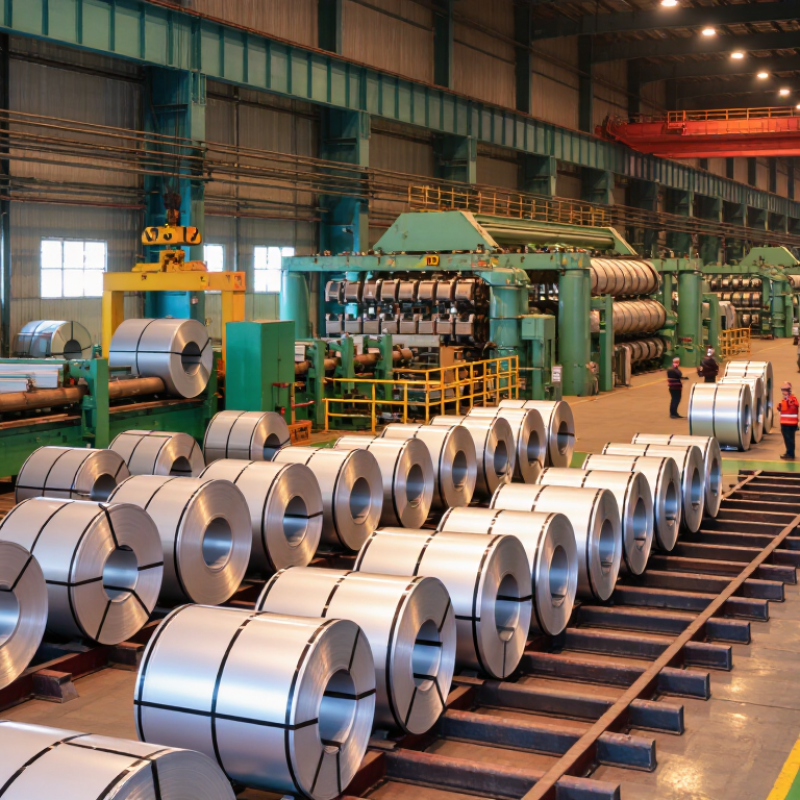
Top Cold Rolled Steel Plate Suppliers Worldwide?

Cold Rolled Steel Plate: Definition, Properties, and Manufacturing Process

Cold rolled steel plate is steel reduced in thickness after hot rolling and cooling. The process usually begins with pickled coil, where acid removes surface scale. Rolling then occurs below the steel’s recrystallization temperature, often near room temperature. This controlled pressure improves dimensional accuracy and surface quality. That surface matters.

The material typically has a smooth, clean appearance and tighter thickness tolerance than hot rolled steel. Cold working can increase yield strength and hardness. It may also reduce ductility, especially after heavy reduction. Engineers should check elongation, tensile strength, flatness, and edge condition before selecting a grade. A bright surface does not automatically mean better performance.

Manufacturing may include pickling, several rolling passes, annealing, temper rolling, inspection, and cutting. Annealing restores ductility by relieving internal stress, while temper rolling improves flatness and finish. Technicians commonly use micrometers, surface gauges, tensile tests, and chemical analysis. Small deviations can still appear near plate edges. They should not be ignored.

For worldwide sourcing, buyers should request mill test certificates, heat numbers, dimensional records, and traceability documents. Reliable suppliers explain their process instead of making vague quality claims. Packaging also deserves attention, especially during sea transport, because moisture can create stains or early corrosion. In my experience, specifications often look complete until application conditions expose one missing detail. Salt air, forming depth, and welding requirements must be discussed early.

Key Grades, Dimensions, and Quality Standards for Cold Rolled Steel Plate

Choosing cold rolled steel plate suppliers worldwide requires more than comparing price lists. Grade, dimensions, and verified quality standards often determine whether the material performs reliably in production.

Common carbon steel grades include ASTM A1008 CS, EN DC01, and JIS G3141 SPCC. Drawing applications may require DC03, DC04, or equivalent deep-drawing grades. Higher-strength options can support lighter designs, but forming behavior must be confirmed. Check tensile strength, yield strength, elongation, and chemical composition on the mill test certificate.

Dimensions need equal attention. Typical thicknesses range from 0.30 to 3.00 millimeters, while widths may exceed 1,500 millimeters. Confirm thickness tolerance, width tolerance, flatness, edge condition, and coil or sheet length. A small thickness variation can affect stamping pressure and finished-part fit. It is easy to overlook.

Surface quality is also critical. Bright, matte, or standard finishes suit different painting and forming processes. Suppliers should identify surface defects, oiling conditions, temper level, and inspection methods. Standards such as ASTM A1008, EN 10130, JIS G3141, and ISO 6892-1 provide useful reference points, but the purchase specification must remain precise. A certificate alone is not enough. Request heat numbers, traceability records, dimensional reports, and independent test results when risk is high. Some specifications still leave room for interpretation, so sample approval and written tolerances can prevent costly disagreement.

Leading Regions and Supplier Types in the Global Cold Rolled Steel Market

Leading Regions and Supplier Types in the Global Cold Rolled Steel Market

East Asia remains the market’s production center. The World Steel Association reported 1.89 billion tonnes of global crude steel output in 2023. China produced about 1.02 billion tonnes, while Japan and South Korea remained major advanced steel exporters. Their cold rolled products serve automotive panels, appliances, electrical equipment, and precision engineering.

Europe and North America remain influential, despite higher production costs. Regional mills often compete through surface quality, coating preparation, traceability, and shorter delivery routes. The OECD’s 2024 steel analysis also highlights persistent global overcapacity concerns. That matters. Buyers should not judge suppliers by volume alone.

Supplier types differ in practical value. Integrated steelmakers offer scale, stable chemistry, and broad gauge ranges. Electric-arc-furnace producers can provide more flexible regional supply, although scrap quality may affect consistency. Service centers add slitting, leveling, storage, and local inventory. Toll processors are useful when buyers need customized widths or contract finishing. UN Comtrade trade data shows that cross-border steel flows remain substantial, but freight costs can quickly change the best option. A lower mill price is not always cheaper after inspection, port handling, and inland transport. Small details matter. Coil edges, oiling levels, and packaging strength can decide whether a shipment performs well. I would also question overly confident market rankings, because reported capacity and actual cold rolled output are not identical.

Top Cold Rolled Steel Plate Suppliers Worldwide? - Leading Regions and Supplier Types in the Global Cold Rolled Steel Market
Leading Region or Supplier Type Relative Supply Position Typical Product Focus Common Quality Standards Main Downstream Applications Export Orientation Key Purchasing Advantages
China Very High Commercial-quality, drawing-quality, high-strength, galvanized substrate, electrical and specialty cold rolled products GB/T, ASTM, EN, JIS and customer-specific specifications Automotive components, appliances, furniture, construction products, machinery and electrical equipment High Large production base, broad product range, extensive port infrastructure and flexible order volumes
Japan High Automotive-grade sheet, deep-drawing grades, high-strength steels and precision-gauge products JIS, ASTM, EN and automotive customer specifications Automotive body parts, precision components, appliances, electrical equipment and industrial machinery High Strong reputation for dimensional accuracy, surface quality, consistency and advanced steel grades
South Korea High Automotive sheet, appliance steel, high-strength grades and coated-steel feedstock KS, ASTM, EN, JIS and international automotive specifications Automotive manufacturing, shipbuilding supply chains, appliances, electronics and general fabrication High Integrated steelmaking capacity, strong export logistics and established automotive-grade production
European Union High Automotive-grade, exposed-panel, high-strength, low-carbon and highly regulated flat products EN 10130, EN 10268, ASTM and sector-specific European requirements Automotive, appliances, engineering, renewable-energy equipment and construction systems Moderate Strong compliance systems, advanced surface finishing, traceability and specialized low-emission products
United States and Canada High Commercial and drawing-quality sheet, high-strength steel, automotive products and locally supplied flat steel ASTM, SAE, AISI-related specifications and customer standards Automotive, appliances, HVAC equipment, construction components and industrial fabrication Moderate Shorter regional supply chains, reliable domestic distribution and strong technical support
India High Commercial-quality, drawing-quality, automotive-grade and general engineering cold rolled products IS, ASTM, EN, JIS and customer-specific requirements Automotive, electrical equipment, appliances, infrastructure products and general engineering Moderate to High Expanding flat-steel capacity, competitive regional logistics and growing domestic demand
Southeast Asia Growing Commercial-quality sheet, appliance-grade material, automotive sheet and galvanized-steel substrate ASTM, JIS, EN, regional standards and buyer-specific specifications Electronics, appliances, automotive assembly, construction and metal fabrication High Strategic location near major shipping routes and integration with regional manufacturing networks
Integrated Steel Mills Primary Supplier Type Wide range of cold rolled coils and sheets, including automotive, high-strength and specialty grades Multiple international standards with full heat, coil and process traceability Automotive, appliances, construction, machinery and large industrial projects High Large-scale production, stable metallurgy, broad grade coverage and consistent long-term supply
Electric Arc Furnace and Mini-Mill Producers Important Regional Supplier Commercial-quality, structural-related flat products, selected high-strength grades and recycled-steel products ASTM, EN, regional standards and customer specifications Construction components, industrial products, appliances and regional manufacturing Moderate Potentially shorter lead times, flexible production and a high recycled-metal input route
Steel Service Centers Distribution Channel Cut-to-length sheets, slit coils, leveled products and processed material from multiple mills Mill certificates, ASTM, EN, JIS, GB/T or buyer-specific requirements Fabrication, HVAC, machinery, automotive subcontracting and local manufacturing Low to Moderate Inventory availability, smaller minimum orders, processing services and local delivery
Authorized Stockists and Metal Traders Distribution Channel Standard commercial grades, surplus or readily available coils and sheets sourced from multiple regions Mill test certificates and applicable ASTM, EN, JIS or GB/T specifications General fabrication, construction, machinery repair and small-to-medium manufacturing High Broad sourcing network, spot purchasing, access to mixed origins and rapid quotation capability
Specialty and Precision Producers Niche Supplier Type Very thin gauges, precision tolerances, electrical steel-related products and high-performance grades ASTM, EN, JIS, ISO-based quality systems and detailed customer specifications Electrical equipment, precision engineering, automotive systems and specialized industrial products Moderate High technical capability, tighter tolerances, specialized testing and application engineering
Note: Regional supply positions and export orientation are comparative market indicators rather than fixed rankings. Actual availability depends on grade, thickness, width, surface finish, certification, order size, trade measures and delivery location.

How to Evaluate Worldwide Cold Rolled Steel Plate Suppliers

Evaluating worldwide cold rolled steel plate suppliers requires more than comparing quoted prices. Begin with the steel grade, thickness tolerance, surface finish, and required dimensions. Ask for mill test certificates and confirm that results match recognized industry standards. A reliable supplier should explain its testing process clearly.

Request traceability from raw material to finished plate. Heat numbers, inspection records, and packing photographs provide useful evidence. Check whether the supplier can maintain consistent thickness across several production batches. Small variations may affect stamping, welding, or final assembly. Samples help, but they do not replace production records.

Review delivery performance across your destination ports. Discuss lead times, moisture protection, edge guards, and loading methods in practical detail. Ask how complaints are investigated and how replacement decisions are handled. Communication matters. Slow replies often signal deeper coordination problems.

Do not trust polished certificates alone. Verify issuing laboratories when possible, and compare documents with physical samples. I once focused too heavily on a low price and overlooked packaging details; several plates arrived with surface marks. That mistake changed my evaluation checklist. A capable supplier may still have occasional failures, but it should identify causes, share evidence, and improve the process. Reliable judgment comes from repeated checks, not one impressive quotation.

Applications, Pricing Factors, and Global Purchasing Considerations

Top Cold Rolled Steel Plate Suppliers Worldwide?

Cold rolled steel plate serves automotive panels, appliance shells, electrical cabinets, and precision-fabricated parts. Its smooth surface and tight thickness tolerance matter where painting, forming, or appearance is critical. The World Steel Association’s October 2024 Short Range Outlook projected steel demand at 1.75 billion tonnes in 2024 and 1.79 billion tonnes in 2025. That scale supports broad supply, but it does not guarantee consistent quality.

Supplier pricing depends on hot-rolled substrate, annealing, tempering, thickness, width, and order volume. Freight, energy, currency movement, import duties, and payment terms can change delivered costs sharply. The World Bank’s Commodity Markets Outlook tracks steel inputs against volatile raw-material and construction markets. Buyers should compare delivered prices, not mill quotations alone. Request heat numbers, mechanical properties, dimensional tolerances, surface class, and inspection records. Small details matter.

Applications also shape purchasing decisions. Automotive stamping may require deep-drawing grades, while cabinets need predictable flatness and paint adhesion. For overseas orders, confirm Incoterms, moisture-resistant packaging, port capacity, insurance, and replacement procedures. OECD’s 2024 Steel Outlook warns that excess capacity may intensify price competition and trade uncertainty. The cheapest quote can become expensive. I would still hesitate. Sample inspections, independent testing, and realistic lead-time buffers reduce surprises, although they cannot remove every risk.

Request a Quote

To learn more about any of the products and services provided by Abbott Ball Company, Inc., simply complete the form below.