The demand for 316 stainless steel has surged globally over the past decade. This material is highly valued for its exceptional corrosion resistance and versatility. According to a report by the International Stainless Steel Forum, the production of stainless steel reached 50 million metric tons in 2022, with 316 grade accounting for a significant portion of this market.
Experts recognize the benefits that 316 stainless steel brings to industries such as marine, construction, and chemical processing. Dr. Anne Roberts, a leading materials scientist, stated, "The durability and resilience of 316 stainless steel make it a top choice for demanding applications." This emphasizes the importance of selecting the right material.
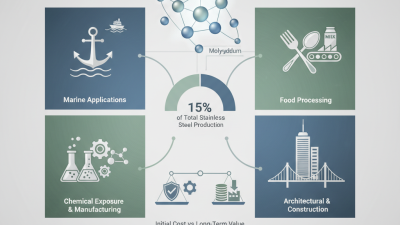
While 316 stainless steel is celebrated for its properties, it's worth noting that the increased costs can be a concern for some buyers. Balancing quality with budget constraints is crucial. However, the long-term durability often outweighs the initial investment, making it a wise choice for many applications.

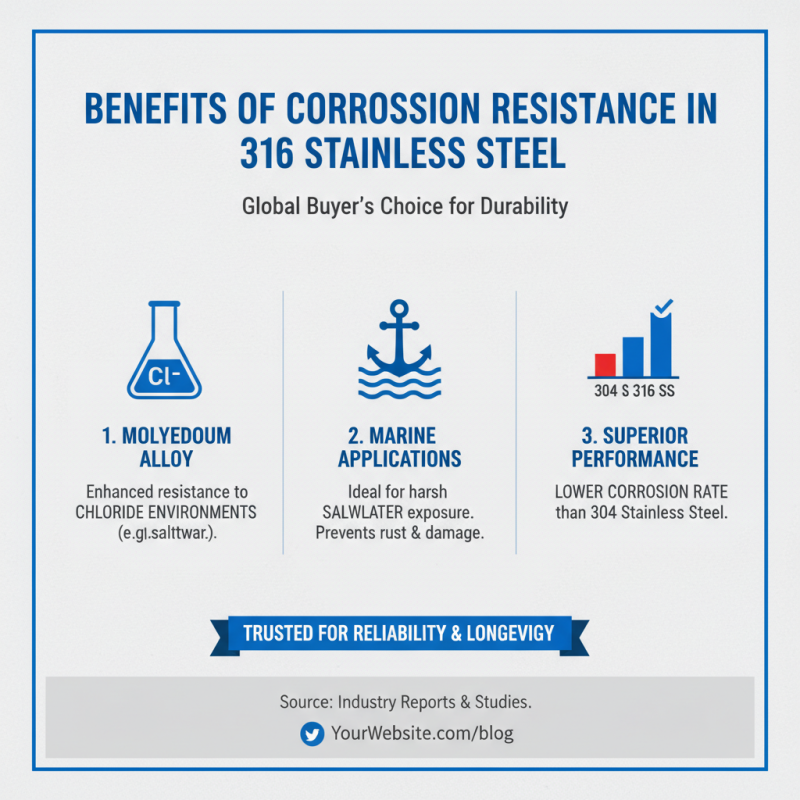
316 stainless steel is renowned for its exceptional corrosion resistance, making it a preferred choice for global buyers. According to industry reports, this alloy contains molybdenum, which enhances its durability against chloride environments. It's particularly effective for marine applications, where exposure to saltwater can severely damage other metals. Studies show that 316 stainless steel has a significantly lower corrosion rate than 304 stainless steel, highlighting its superior performance.
The benefits of corrosion resistance extend beyond marine settings. For industries like chemical processing and pharmaceuticals, 316 stainless steel provides a reliable option for storage and transportation of reactive substances. In fact, it can withstand acids and chlorides that may compromise lower-grade materials. This resilience not only elevates safety but also reduces maintenance costs over time.
Tip: When selecting materials for corrosive environments, always consider the specific chemicals involved. Performing a compatibility analysis can prevent costly failures down the line. Remember, investing in quality materials like 316 stainless steel can pay off in the long term, but always assess the specific needs of your project. Aim for a balance between cost and durability to ensure the best outcomes.
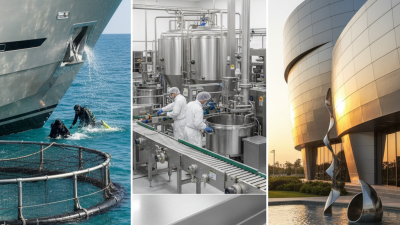
316 stainless steel stands out in various industries due to its unique properties. This alloy contains molybdenum, which enhances its corrosion resistance. It is ideal for marine applications because it withstands saltwater exposure. For example, it is commonly used in boat fittings and dock components. Its durability makes it suitable for harsh environments.
In the food industry, 316 stainless steel plays a vital role. It resists pitting from acidic foods. This quality ensures food safety and hygiene during processing. Many manufacturers prefer this material for equipment like tanks and processing lines. However, the initial cost might deter some buyers. They must weigh the investment against long-term benefits.
In pharmaceuticals, 316 stainless steel is essential. It maintains cleanliness and resists corrosion from harsh chemicals. Equipment like pumps and valves often utilize this alloy. Still, there are challenges. Manufacturers must ensure proper fabrication and maintenance to avoid issues. Even slight flaws can lead to contamination. Thus, constant monitoring is crucial to success.
When considering materials for various industrial applications, a cost analysis of 316 stainless steel compared to other alloys reveals significant insights. According to recent industry reports, the average price of 316 stainless steel typically ranges from $2.50 to $3.50 per pound. This positions it competitively against other common metals like 304 stainless steel, which averages between $2.00 and $3.00 per pound. Although the price difference may seem marginal, the long-term benefits of 316 stainless steel can justify the investment.
The enhanced corrosion resistance of 316 stainless steel, particularly in chloride environments, is a vital factor for many industries. For example, a 2019 study by Materials Science Reviews outlined that 316 stainless steel can withstand environments that would cause 304 to corrode within weeks. As a result, industries using marine applications or chemical processing can optimize their costs by selecting the right alloy initially, potentially reducing future maintenance expenses.
Companies should also consider the lifecycle cost, not just the initial purchase. 316 stainless steel often requires less frequent replacements due to its durability. However, it's crucial to align alloy specifications with project requirements, as miscalculating needs can lead to overspending. Thus, buyers should conduct thorough research before deciding. Balancing upfront costs with long-term performance is essential for making informed decisions.
The use of 316 stainless steel stands out in discussions about environmental sustainability. This alloy contains nickel and molybdenum, which enhance its corrosion resistance. These properties make it a preferred choice in marine environments and chemical processing, reducing the need for frequent replacements. According to a recent report by the International Stainless Steel Forum (ISSF), stainless steel recycling saves energy and reduces greenhouse gas emissions. With up to 90% of stainless steel being recyclable, its life cycle contributes significantly to sustainability efforts.
While 316 stainless steel offers excellent durability, it is essential to consider its production process. The process can be energy-intensive, though advancements in technology aim to mitigate this impact. Recent studies indicate that the carbon footprint of stainless steel production is decreasing. Buyers should actively seek suppliers who adopt sustainable practices.
Tips: When choosing materials for projects, always consider their full life cycle. Research potential suppliers and their commitment to sustainability. Check for certifications that ensure environmentally friendly practices.
| Benefit | Description | Environmental Impact |
|---|---|---|
| Corrosion Resistance | 316 stainless steel offers superior resistance to corrosion, particularly in harsh environments. | Reduces the need for replacements, thus less waste and lower resource consumption. |
| High Temperature Resistance | Maintains strength and durability at high temperatures, making it suitable for various applications. | Less energy required for manufacturing in high-temperature environments. |
| Easy to Fabricate | Can be easily formed, welded, and fabricated, enhancing its usability in various designs. | Minimizes waste during the manufacturing process. |
| Hygienic Properties | Ideal for the food and pharmaceutical industries due to its non-porous surface. | Promotes environmental health by reducing contamination risks. |
| Aesthetic Appeal | Attractive appearance for architectural applications, enhancing buildings' designs. | Encourages the use of sustainable, aesthetically pleasing materials in constructions. |
| Longevity | Offers a long service life, reducing the frequency of repairs and replacements. | Less resource depletion over time due to durability. |
| Recyclability | Easily recyclable, contributing to a circular economy. | Supports waste reduction and promotes the reuse of materials. |
| Low Maintenance | Requires minimal maintenance, making it cost-effective over its lifespan. | Reduces environmental impact associated with maintenance processes. |
| Chemical Resistance | Withstands exposure to various chemicals, enhancing its application scope. | Decreases chemical waste due to its durability and resistance. |
| Cost-Effectiveness | While initially more expensive, its longevity and durability lead to lower overall costs. | Encourages responsible spending and material conservation. |
316 stainless steel stands out for its exceptional durability. This material is highly resistant to corrosion, making it ideal for harsh environments. In marine applications, for instance, its resistance to chloride ions prevents pitting. Many industries rely on this steel for equipment exposed to acidic conditions, ensuring longevity.
Maintenance is also simplified with 316 stainless steel. Regular cleaning can prevent buildup and maintain its appearance. While some materials require extensive upkeep, this steel's smooth surface helps resist dirt. However, neglecting to clean it periodically may lead to tarnishing. Buyers should also consider that while it’s durable, it can be prone to scratches in some instances.
Overall, the long-term advantages of 316 stainless steel are clear. Its ability to withstand wear and tear is a key benefit for buyers looking for reliability. Choosing this material means investing in quality that minimizes future costs. However, one must remain vigilant about its care to maximize its benefits fully.
To learn more about any of the products and services provided by Abbott Ball Company, Inc., simply complete the form below.