Top 10 Aluminum Machinery Innovations You Should Know?
The aluminum industry has witnessed significant advancements in recent years, particularly in Aluminum Machinery innovations. These developments are driven by the urgent need for increased efficiency and sustainability. According to a recent report by MarketsandMarkets, the global aluminum machinery market is projected to reach USD 15.1 billion by 2025, growing at a CAGR of 3.7%. This growth reflects the industry's transformation and the importance of adopting new technologies.
Innovations in Aluminum Machinery are crucial for manufacturers striving for competitive advantage. Automated systems, improved alloying processes, and advanced machining techniques are reshaping how aluminum is produced and processed. However, these advancements come with challenges. Many companies struggle to integrate new technologies into their existing frameworks. Balancing innovation with productivity often leads to unforeseen complications.
As we delve into the top 10 aluminum machinery innovations, it is vital to recognize both the opportunities and hurdles that accompany these developments. Understanding these complexities will help industry players navigate the evolving landscape more effectively. The future of aluminum production relies heavily on embracing innovation while addressing the practical realities of implementing change.
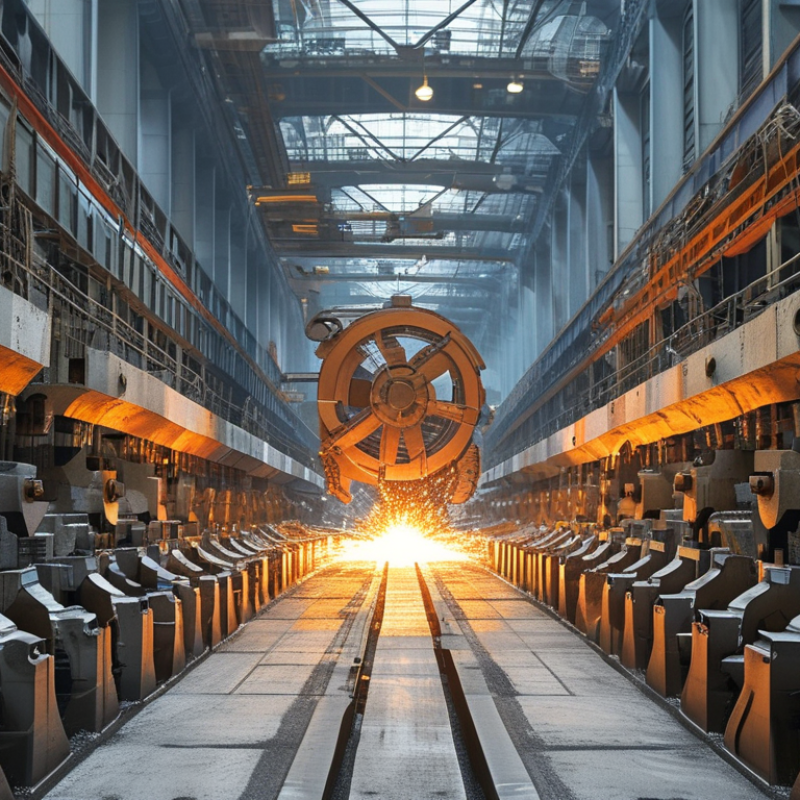
Cutting-Edge Aluminum Extrusion Techniques Revolutionizing Production
The aluminum extrusion industry is witnessing groundbreaking innovations. These advancements in production techniques are reshaping manufacturing processes. According to industry reports, the global aluminum extrusion market is expected to reach $59.3 billion by 2026. This growth emphasizes the demand for improved technologies in this sector.
Cutting-edge techniques such as new alloy formulations and die design optimization are transforming how aluminum is shaped. For instance, the implementation of 3D printing in die manufacturing drastically reduces lead times. This process not only saves money but also enhances flexibility in design. Industry data indicates that companies adopting these innovations may experience a 25% increase in production efficiency.
However, challenges persist. The reliance on advanced technologies can lead to increased setup complexities. Training workers to manage these new systems also adds pressure on resources. As the industry moves forward, a balance between innovation and operational efficiency needs to be established. This ongoing transition requires careful consideration of both benefits and limitations.
Advanced CNC Machining Technologies for Aluminum Fabrication
Aluminum fabrication has evolved significantly thanks to advanced CNC machining technologies. These innovations enable manufacturers to produce complex parts with higher accuracy. Techniques like five-axis machining allow for intricate cuts and designs that were previously impossible. This technology helps reduce waste and increases material efficiency, which is crucial in today’s economy.
The precision of CNC machining leads to better-quality aluminum components. Enhancements in software mean that operators can create highly detailed configurations. However, the reliance on technology also brings challenges. Not all operators are fully trained to utilize these systems effectively, leading to potential errors. Thus, ongoing education and training are vital for maintaining quality control.
Automation in CNC machining is another breakthrough. It speeds up production times and reduces human error. Yet, this shift raises concerns about job displacement. Workers need to adapt to new roles as machines take over repetitive tasks. Finding the right balance between technology and human skill is essential for future success in aluminum fabrication.
Innovative Surface Treatment Methods Enhancing Aluminum Durability
Innovative surface treatment methods have transformed aluminum’s durability. These advancements help aluminum withstand harsh environments. As industries demand stronger materials, effective treatments become essential.
Anodizing is a popular method. It creates a thick oxide layer, enhancing corrosion resistance. This process also allows for improved wear resistance. The result is a long-lasting finish that can withstand scratches and environmental damage. Techniques vary, often yielding unique finishes and colors.
Tips for enhancing aluminum durability include regular maintenance and inspection. Keep surfaces clean and check for wear. Consider reapplying surface treatments every few years. This ensures your aluminum components remain robust and functional. Explore new treatment technologies as they emerge. They may offer solutions for specific challenges you encounter. Staying informed is key to maximizing your aluminum's lifespan.
Smart Automation Systems Optimizing Aluminum Manufacturing Processes
In the evolving world of aluminum manufacturing, smart automation systems play a crucial role. These systems streamline processes, enhancing efficiency. For instance, automated machinery can adjust parameters in real-time based on production data. This responsiveness minimizes waste and maximizes output. However, it is essential to monitor these systems closely. Over-reliance on automation can lead to oversights.
Integrating advanced sensors is another significant innovation. These sensors provide valuable insights into production quality. They detect imperfections and alert operators automatically. Yet, inconsistent data collection can compromise reliability. Human oversight is necessary to ensure accuracy. Balancing technology and human input fosters a more robust manufacturing process.
Moreover, machine learning algorithms analyze historical data to predict maintenance needs. This proactive approach reduces unexpected downtimes. However, implementing these systems requires skilled personnel. Training is vital to harness the true potential of smart automation. Failing to invest in workforce development may lead to hesitation in leveraging these technologies fully.
Top 10 Aluminum Machinery Innovations You Should Know
This bar chart illustrates the adoption rate of the top 10 aluminum machinery innovations in manufacturing processes, showcasing the impact of smart automation systems.
Sustainable Practices in Aluminum Machinery for a Greener Future
Sustainability is becoming essential in aluminum machinery. The industry has faced challenges in minimizing its environmental impact. Reports indicate that aluminum production can generate significant greenhouse gas emissions, accounting for nearly 1% of global emissions. Adopting eco-friendly practices is vital to mitigate this.
Innovative recycling methods are transforming how aluminum is processed. Recycling aluminum requires only 5% of the energy needed for primary production. This drastic reduction leads to lower emissions. The Aluminum Association states that recycling aluminum can save up to 90 million tons of CO2 annually. These advancements illustrate the industry's commitment to sustainability.
Another area of focus is energy efficiency in machinery. Many companies are investing in technology that enhances energy consumption. This shift not only reduces costs but also supports climate goals. However, implementing these innovations is not without its hurdles. Some manufacturers face obstacles in upgrading outdated systems and practices. Finding the balance between progress and practicality remains a challenge for many.