
A reliable Refrigeration Unit Truck does more than keep cargo cold. It must hold a stable temperature through loading, traffic delays, door openings, and final delivery. For fleet buyers, that means comparing cooling capacity, fuel or electric power use, service access, controls, and support—not just the unit’s purchase price. The International Institute of Refrigeration’s 2022 report, The Role of Refrigeration in the Global Economy, describes refrigeration as essential infrastructure while highlighting its energy and environmental costs. The UNEP Global Cooling Watch 2023 report also warns that cooling demand could more than triple by 2050 under business-as-usual conditions. Those findings make efficiency and dependable performance central to any manufacturer comparison.
Details matter. A warm loading bay, a poorly sealed door, or a delayed repair can undermine an otherwise capable system. Food-refrigeration researcher Judith Evans’s work offers a useful principle: temperature control must be considered across the whole cold chain, not only inside the vehicle. This list examines ten manufacturers through that practical lens, including product range, operating flexibility, service networks, and suitability for different routes and cargo types. Some claims are easier to compare than others. Published specifications rarely capture real-world maintenance demands or performance in extreme weather, so buyers should verify them with fleet trials and local service providers. There is no perfect shortlist. The right choice depends on the load, route, and conditions a truck faces every day.
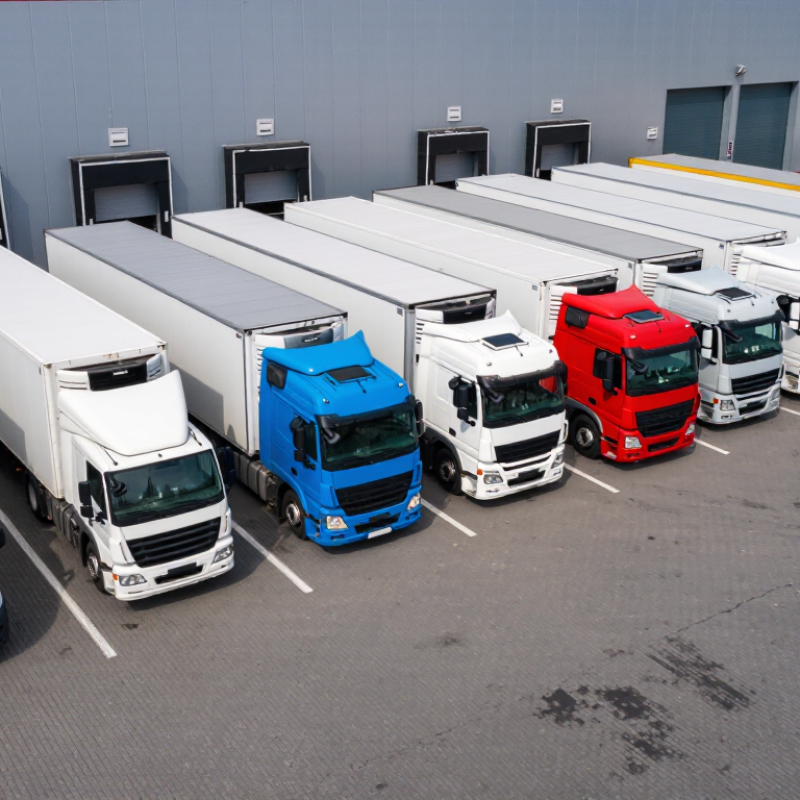
A Truck Refrigeration Unit depends on several parts working together. The compressor circulates refrigerant, while the condenser releases heat outside the cargo body. An expansion device lowers refrigerant pressure, and the evaporator absorbs heat from the interior. Fans move cooled air around the load. Airflow matters. Blocked floor channels or tightly stacked cartons can create warm pockets, even when the display shows the target temperature. Insulated panels and well-sealed doors help limit heat entering during delivery stops.
Most units use a vapor-compression cooling cycle. Depending on the vehicle and route, power may come from the truck engine, a separate engine, or an electric connection while parked. Chilled produce, dairy, frozen foods, and temperature-sensitive medical supplies each require suitable operating ranges and careful handling. A unit can maintain temperature, but it cannot quickly correct poorly prepared cargo. Pre-cooling the compartment and checking it with an independent, calibrated probe are useful habits. The display is not the whole story. In practice, loading schedules and frequent door openings complicate control; I may be understating how much small handling choices affect performance. A recorded temperature history can help operators spot recurring problems before a long route.
| No. | Representative system profile | Typical temperature duty | Cooling method and power source | Core components | Common applications |
|---|---|---|---|---|---|
| 1 | Direct-drive unit for a light-duty refrigerated van | Chilled transport, commonly around 0°C to 8°C | Compressor driven by the vehicle engine; some systems also support electric standby | Compressor, condenser, evaporator, expansion device, refrigerant lines, controls | Local food deliveries, flowers, and temperature-sensitive retail goods |
| 2 | Engine-driven unit for a medium-duty insulated truck | Chilled or frozen service, depending on unit specification and body insulation | Independent diesel engine drives the refrigeration compressor | Auxiliary engine, compressor, condenser, evaporator, fans, control system | Regional distribution of groceries, dairy, meat, and frozen products |
| 3 | High-capacity unit for a large refrigerated truck body | Chilled, frozen, or multi-temperature operation when configured for it | Typically an independent engine-driven refrigeration system | Compressor, condenser coil, evaporator assembly, expansion valve, sensors, controller | Longer regional routes and high-volume food distribution |
| 4 | Electric standby configuration | Maintains the selected chilled or frozen set point while parked, within system limits | Electric power from a compatible external supply while stationary; vehicle-mounted power during travel | Refrigeration circuit, electric motor or standby drive, power connection, safety controls | Depot operation, overnight parking, and loading or unloading at equipped facilities |
| 5 | Battery-electric truck refrigeration system | Chilled or frozen operation matched to the vehicle and payload requirements | Electric compressor powered by the vehicle battery or a dedicated battery system | Electric compressor, inverter, battery, condenser, evaporator, electronic controls | Urban deliveries where reducing local exhaust emissions and noise is a priority |
| 6 | Multi-temperature body system | Separate chilled and frozen zones; actual set points depend on the system design | One refrigeration plant with multiple evaporators or independently controlled zones | Shared or dedicated compressor circuit, zone evaporators, dampers, sensors, controls | Mixed loads such as chilled groceries and frozen foods on the same route |
| 7 | Frozen-food transport configuration | Often designed for frozen cargo at approximately −18°C or below, subject to regulations and product requirements | Mechanical vapor-compression refrigeration with a suitably specified unit and insulated body | Compressor, condenser, evaporator, expansion device, refrigerant circuit, temperature monitoring | Frozen foods, ice cream, and other products requiring controlled sub-zero transport |
| 8 | Pharmaceutical and healthcare transport configuration | Temperature range set by the product label and shipping protocol; some products require monitored chilled conditions | Refrigeration unit paired with calibrated monitoring and documented temperature control | Cooling circuit, temperature sensors, data logger, alarm system, control interface | Medicines, vaccines, and other temperature-sensitive healthcare products |
| 9 | Refrigerated trailer system | Chilled or frozen transport for large-volume loads | Usually an autonomous engine-driven unit mounted at the front of the trailer | Power unit, compressor, condenser, evaporator, airflow system, electronic controller | Long-haul distribution and high-volume transport between distribution centers |
| 10 | Eutectic plate system for repeated delivery routes | Temperature maintained within the system’s design range as stored cooling is released | Plates are frozen or recharged while parked, then absorb heat during delivery | Eutectic plates, insulated body, charging connection or refrigeration plant, temperature controls | Scheduled urban routes with repeated stops and access to charging time between shifts |
| Selection note: Operating temperature and performance depend on the refrigeration unit, cargo heat load, ambient conditions, door openings, airflow, vehicle body insulation, and maintenance. Confirm the required set point and applicable transport rules for the cargo before selecting a system. | |||||