Top 10 Stainless Steel Flange Types Buyers Must Know?
Stainless Steel Flanges play a vital role in various industries, from manufacturing to construction. Understanding the different types of stainless steel flanges is crucial for anyone involved in these fields. This article aims to provide insights into the top ten types that every buyer should be familiar with.
These flanges come in various designs and sizes, tailored to meet specific requirements. Choosing the right type can affect the efficiency and longevity of a project. However, many buyers overlook important factors when selecting stainless steel flanges. Misunderstandings about materials, thicknesses, and compatibility can lead to costly mistakes.
Recognizing these potential pitfalls is essential. Armed with the right knowledge, buyers can make informed decisions. The importance of detailed specifications and standards cannot be overstated. By familiarizing yourself with these top ten flange types, you enhance your project’s reliability and quality. Investing time in understanding stainless steel flanges pays off. It ensures successful collaborations and lasting results.
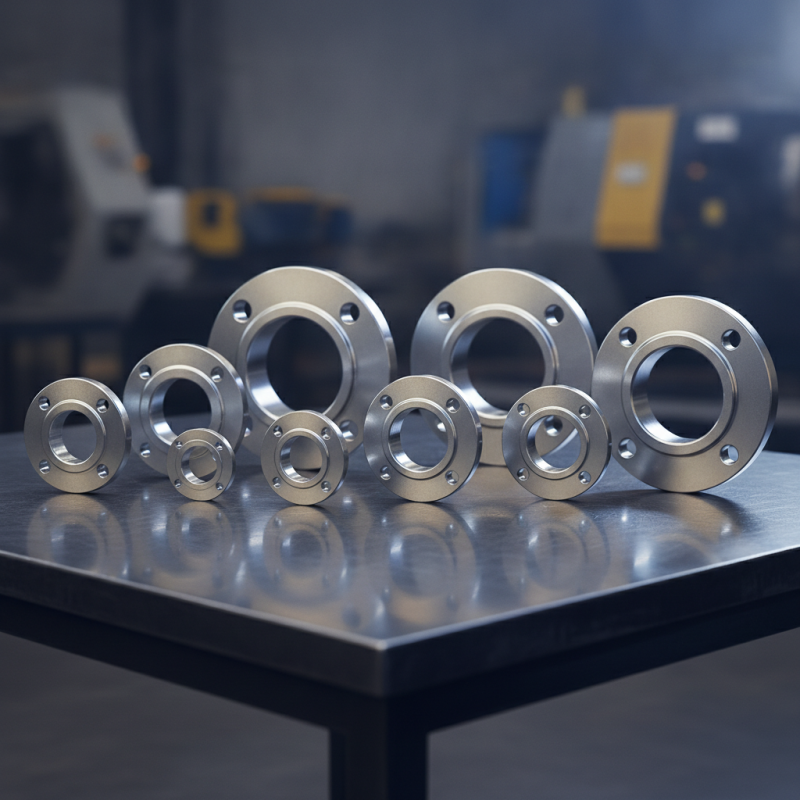
Types of Stainless Steel Flanges and Their Applications
Stainless steel flanges play a crucial role in piping systems across various industries. Different types serve specific purposes. Weld neck flanges are ideal for high-pressure systems. They offer robust connections and can withstand significant stress. Blind flanges, on the other hand, seal off pipe ends, preventing flow. They find applications in maintenance operations.
Tips: Always ensure proper flange alignment during installation. Misalignment can lead to leaks. Inspect the flange surface for defects. A damaged surface may compromise the seal quality.
Socket weld flanges are used for smaller pipe sizes. They are easy to install and provide a strong connection. Slip-on flanges, however, are more versatile and can accommodate larger pipes. They require careful measurement for proper fit. When choosing flanges, consider the material grade. Different grades of stainless steel have varying corrosion resistance levels.
Tips: Remember to check the pressure rating of your flanges. Using a flange with a lower rating can result in failure. Regular maintenance checks can extend flange life, yet they are often overlooked. Keep an eye on potential signs of wear and tear.
Key Characteristics of Different Stainless Steel Flange Types
When selecting stainless steel flanges, it’s essential to understand their characteristics. Each flange type serves specific applications and environments. Weld neck flanges, for example, provide structural integrity. They are ideal for systems under high pressure. Their tapered design ensures a smooth flow of materials, reducing turbulence.
Blind flanges, on the other hand, are used to seal off pipelines. They offer easy access for inspection. However, using a blind flange requires careful planning. Mismatching flange sizes can lead to leakage. Slip-on flanges are also common in various industries. They are easy to install but may not provide as tight a seal as other types. Their simplicity can sometimes result in oversized bolts.
Another option available is the socket weld flange. This design features a socket for fitting pipes, offering a robust joint. Yet, they may require more welding skills, which can be a downside. Understanding these nuances is crucial. Making informed decisions ensures better performance in your projects. Always consider the specific needs of your installation. While some flanges seem straightforward, they hold unique requirements that shouldn’t be overlooked.
How to Select the Right Stainless Steel Flange for Your Project
Selecting the right stainless steel flange for your project is crucial. Various types of flanges cater to different needs and applications. It helps to understand the properties of stainless steel and how they affect performance. Pay attention to the pressure rating and size, as these can significantly influence your project's success.
Tips: Consider the environment where the flange will be used. Corrosion resistance is essential in harsh conditions. For high-temperature applications, choose flanges that can withstand heat without compromising integrity.
Understanding the specific requirements of your system is vital. Each flange type has its unique advantages. A blind flange, for example, can prevent flow in a piping system. Think about how often you’ll need to assemble and disassemble the flanges. This can affect your choice significantly.
Tips: Review your project specifications carefully. Don't overlook the importance of the sealing method. A poor seal can lead to leaks and expensive repairs. Keep these factors in mind to make an informed decision.
Common Industries Utilizing Stainless Steel Flanges
Stainless steel flanges play a pivotal role across various industries. With the rapid growth of the oil and gas sector, the demand for durable and reliable flanges has surged. According to a report by MarketsandMarkets, the global stainless steel flange market is expected to reach USD 20 billion by 2026. This statistic highlights the essential nature of flanges in crucial applications.
In the chemical processing industry, stainless steel flanges are vital for manufacturing and transporting hazardous chemicals. Their corrosion resistance ensures safety and longevity, which is critical in high-pressure environments. Research indicates that nearly 60% of chemical plants utilize stainless steel components to minimize failure rates. This statistic underscores the need for quality in a field where safety is paramount.
The power generation sector also relies heavily on stainless steel flanges. In nuclear power plants, these flanges must withstand extreme conditions without compromising integrity. In 2021, the global nuclear energy market was valued at approximately USD 42 billion, with stainless steel components representing a substantial portion of that investment. This reliance speaks volumes about the responsibilities manufacturers have in producing reliable products that meet rigorous standards.
Maintenance Tips for Stainless Steel Flanges to Ensure Longevity
Proper maintenance of stainless steel flanges is crucial for their longevity and efficiency. Regular inspection is essential. The American Society of Mechanical Engineers (ASME) suggests checking for corrosion or wear every six months. Corrosion could lead to significant failures, as data shows that even minor rust can reduce a flange's lifespan by up to 30%. Keeping the flanges clean and dry is vital. Moisture can accelerate corrosion, especially in coastal areas.
Applying a protective coating can enhance durability. Experts recommend using non-reactive lubricants to prevent galling and seizing. This step can add years to the life of the flanges. It's also advisable to replace gaskets regularly to ensure a proper seal. A worn-out gasket can lead to leakage, compromising both safety and efficiency.
Tightening screws to the manufacturer's specifications is another essential action. Over-tightening may crack the flange, while under-tightening can cause connection failures. Balancing these actions is critical. Regular training for maintenance personnel can help address these issues before they escalate. Many industry reports indicate that a proactive maintenance schedule can reduce repair costs by up to 40%. Proper care is not just a standard; it’s necessary.