Top Tips for Selecting the Right Hydraulic Pumps for Your Needs
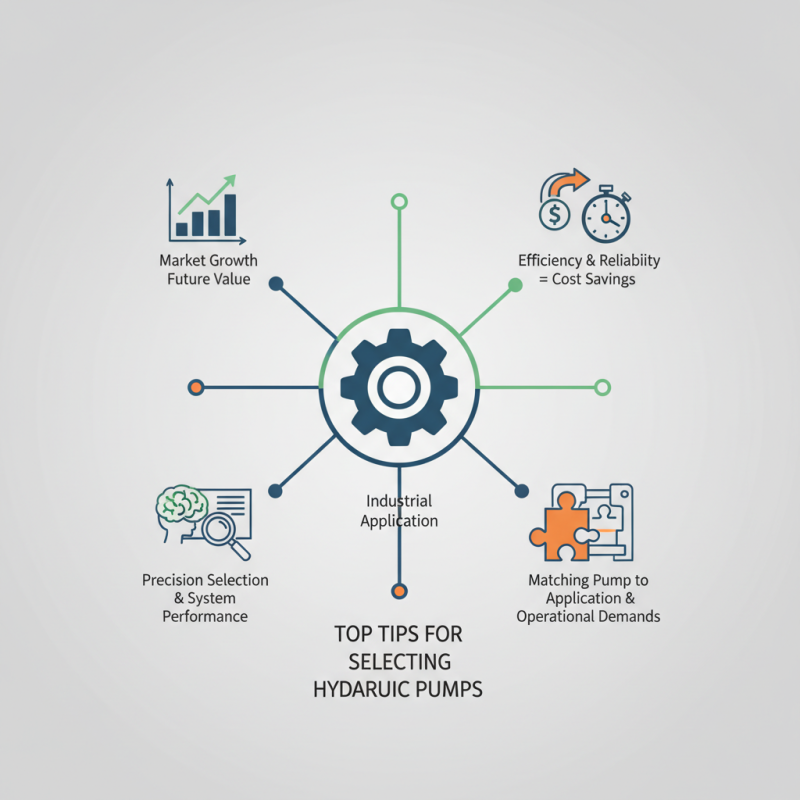
Selecting the right Hydraulic Pumps is crucial for any industrial application. With the global hydraulic pumps market projected to grow significantly, understanding your needs is essential. According to a report by Market Research Future, the hydraulic pump industry is expected to reach a value of over $18 billion by 2026. Efficiency and reliability directly impact operation costs, making the choice of hydraulic pumps vital.
Industry expert John Smith, a hydraulic systems engineer, emphasizes, "The precision in selecting hydraulic pumps can dramatically enhance system performance." This highlights the necessity for careful consideration of specifications. The right pump ensures optimal performance, while a poor choice can lead to inefficiencies and unexpected downtime.
Pumping systems should align with operational demands. Ignoring specifics can result in expensive mistakes. It's not just about choosing a pump; it's about matching it with your application. Therefore, understanding your unique requirements is imperative in navigating the complexities of hydraulic pumps effectively. This can lead to better productivity and ultimately, profitability.
Understanding the Different Types of Hydraulic Pumps Available
Hydraulic pumps come in various types, each suited for different applications. Understanding these types is crucial for making an informed choice. The two primary categories are gear pumps and piston pumps. Gear pumps are known for their simplicity and reliability. They are often used in mobile equipment. Piston pumps, on the other hand, offer higher pressure and efficiency. These are typically used in industrial applications.
Another important type is the vane pump. Vane pumps operate with a rotating mechanism that allows for variable flow rates. These are excellent for systems needing adjustable outputs. However, users should be aware of their limitations. Selecting the wrong type may lead to inefficiencies and increased wear on components.
Assessing your specific needs is essential. Consider factors like pressure requirements, fluid type, and environmental conditions. This may seem straightforward but is often overlooked. Many users rush the selection process, which can be detrimental. Take the time to evaluate each type of pump carefully. Choose the one that aligns with your operational requirements to ensure optimal performance.
Hydraulic Pump Types and Their Efficiency Ratings
Assessing Your System Requirements for Hydraulic Pump Selection
When selecting hydraulic pumps, it's crucial to assess your system requirements thoroughly. Start by identifying the fluid type you'll use. Different fluids demand specific pump materials. Consider the viscosity and temperature range too. These factors directly influence pump performance and durability.
Check the required flow rate and pressure. Your system's efficiency depends on matching these parameters with your pump specifications. Make a list of the application's operational demands. This helps in narrowing down the options effectively.
Remember, not all pumps are created equal. Seek advice from experts or trusted sources. Engage with professionals who can share insights on common pitfalls. A pump can be over-specified or under-specified, leading to inefficiencies and cost overruns. Reflecting on these issues can save time and resources. Consider testing a sample pump under your specific conditions before making a large investment.
Evaluating Pump Performance Metrics and Specifications
When choosing hydraulic pumps, evaluating performance metrics is essential. Key specifications include flow rate, pressure rating, and efficiency. The flow rate affects how quickly fluid moves through the system. A higher flow rate can increase productivity but may require a more complex setup. Conversely, low flow rates can lead to inefficiencies, so it’s vital to find the right balance.
Another crucial metric is the pressure rating. Hydraulic systems often operate under high pressures, so selecting a pump that meets or exceeds the required pressure is critical. This ensures reliability and safety. Overlooked pressure thresholds can lead to pump failures or even system downtime. It's crucial to assess your specific application needs and expected conditions before making a decision.
Consider these tips when selecting a pump: Check for compatibility with your fluid type. Assess the materials used, as they impact durability. Installation complexity can vary, impacting your operational efficiency. A good pump should meet your specifications while fitting smoothly into your existing system. Take time to evaluate each option thoroughly, as a rushed decision can lead to costly mistakes.
Identifying Compatibility with Existing Equipment and Systems
When selecting hydraulic pumps, compatibility with existing equipment is crucial. Compatibility ensures that the new pump will not disrupt your system. It’s essential to evaluate the specifications of your current machinery. Measure pressure and flow rate requirements closely. Assess the dimensions of the existing mounting space. These details can often be overlooked but are vital for smooth operation.
Don’t hesitate to engage with technical experts. Their insights can clarify any uncertainties. Discussing your needs can reveal hidden compatibility issues. Sometimes connectors or fittings might not match, leading to costly modifications. Testing compatibility with prototype setups can prevent future headaches.
Be aware that not all pumps function well in every environment. Consider environmental factors like temperature and humidity. A pump might perform great in one setting but struggle in another. Take time to reflect on past experiences to guide your decision. Learning from previous equipment failures can refine your current choices significantly.
Top Tips for Selecting the Right Hydraulic Pumps for Your Needs
| Criteria | Description | Importance Level |
| Flow Rate | The volume of fluid a pump can move in a given time. | High |
| Pressure Rating | The maximum pressure the pump can handle. | High |
| Compatibility | Ensure the pump works well with existing systems. | Critical |
| Power Source | Confirm the pump’s power requirements match your supply. | Medium |
| Size and Weight | Consider the physical dimensions for installation. | Medium |
| Material | Choose materials that can withstand the working environment. | High |
| Maintenance Requirements | Understand the upkeep needed for optimal operation. | Medium |
Considering Budget and Long-Term Maintenance Costs
When selecting hydraulic pumps, budget and long-term maintenance costs play crucial roles. It's tempting to go for the cheapest option. However, low upfront costs often lead to higher maintenance expenses down the line. Invest in reliable models that may be pricier initially but require less frequent repairs. Cheaper pumps can fail sooner and cause costly downtime.
Consider the operating environment of your pumps. Do they work in a dusty area? Are they exposed to extreme temperatures? These factors change maintenance requirements. Choose pumps designed for your specific conditions. This choice can help avoid unexpected failures and repairs. Make a list of potential maintenance tasks and their costs. This reflection will guide you toward making a more informed decision.
Long-life hydraulic pumps can significantly reduce operational costs. While the initial price may feel high, the long-term savings can be substantial. Consider the total cost of ownership. This includes replacement parts, labor, and downtime when evaluating your options. Ensure to consult with industry professionals. Their insights can be invaluable in aligning your choice with your budget and maintenance needs.