
Choosing a Processing Heater is not just a matter of comparing purchase prices or maximum temperatures. The right choice depends on the process, the material being heated, and the conditions inside the plant. A heater that performs well in a clean, steady operation may struggle with changing flow rates, frequent starts, or limited floor space. Small details matter: the temperature sensor’s location, insulation thickness, and access for maintenance can all affect daily performance.
Combustion engineer and author Charles E. Baukal has written extensively about industrial combustion. A practical editorial paraphrase—not a verbatim quotation from him—captures a useful principle: “Match the heat source to the process, then verify its performance.” That means checking required heat duty, operating temperatures, control response, energy use, and compatibility with the process fluid. It also means asking who will service the equipment and whether replacement parts are readily available. These questions may seem less exciting than headline efficiency figures. They are often more useful.
The tips ahead explore these selection factors, from sizing and materials to safety features and lifecycle costs. Compare suppliers’ data carefully, and ask how stated performance was measured. A brochure cannot reveal every operating wrinkle. Nor can a spreadsheet predict every maintenance headache. Sometimes the first choice is not the best one—and that is worth admitting before installation.
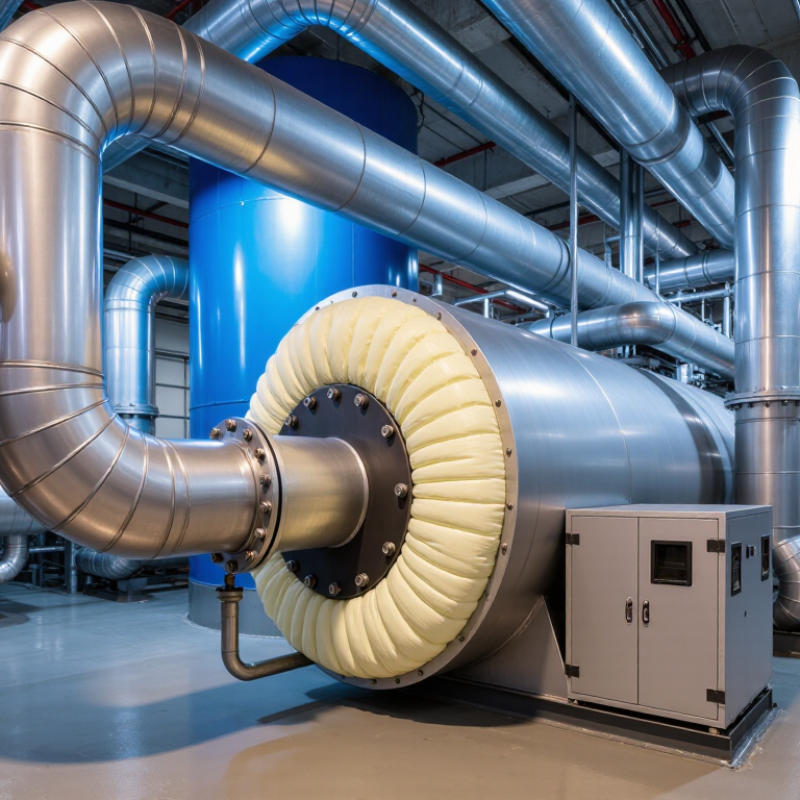
Choosing a processing heater starts with the material, not the catalogue. Record the target temperature, ramp time, hourly throughput, batch size, and acceptable temperature variation. Specify whether the product needs direct heating, hot air, radiant heat, or a circulating fluid. They are not interchangeable. A damp coating, loose powder, and metal billet respond differently to heat. Include normal feed variations, since ideal conditions rarely last all shift.
Define the operating envelope: inlet temperature, ambient conditions, pressure, humidity, dust, and corrosive vapours. Note startup frequency and idle periods. Heat can escape through open doors, duct bends, and poorly insulated surfaces. The U.S. Department of Energy’s 2017 Bandwidth Study on U.S. Manufacturing Energy Use estimates process heating uses about 36% of manufacturing energy. That figure makes efficiency worth examining, but not at the expense of product quality or temperature uniformity. Estimate useful heat demand from material flow, specific heat, phase changes, and losses. Compare it with fuel or electrical input under realistic duty, not just rated output.
Leave room for uncertainty. A neat specification can miss the awkward details: startup peaks or a line running half-empty. Check sensor placement, control range, exhaust capacity, and available utilities against the hardest operating cycle. Measure several production runs if possible. Not one shift. Record seasonal changes, too.
| Tip | Requirement to Define | What to Specify | Why It Matters |
|---|---|---|---|
| 1 | Heating duty | Provide the required heat input, preferably in kW, and the feed rate, inlet temperature, target outlet temperature, and relevant heat losses. For a simple sensible-heating estimate, use Q = ṁ × Cp × ΔT. | Duty sizing depends on mass flow, heat capacity, temperature rise, and losses. Include phase change or reaction heat where applicable; the simple equation does not cover those effects. |
| 2 | Temperature limits | State normal, minimum, and maximum inlet and outlet temperatures, as well as any allowable product or wall-temperature limits. | The heater must meet the required temperature range without exceeding the process fluid’s stability limits or the equipment’s design limits. |
| 3 | Fluid properties | Identify the fluid or mixture and provide available data on heat capacity, viscosity, density, thermal conductivity, fouling tendency, corrosivity, and any solids or suspended particles. | Fluid properties affect heat-transfer performance, pressure drop, material selection, cleanability, and the risk of fouling or localized overheating. |
| 4 | Flow and operating pattern | Specify minimum, normal, and maximum flow rates; continuous or batch operation; start-up frequency; and expected turndown requirements. | Flow variation and operating cycles influence heater capacity, temperature control, thermal cycling, and protection against low-flow operation. |
| 5 | Pressure conditions | Give normal and design pressure, allowable pressure drop, and relevant pressure changes across the operating range. | Pressure affects equipment design and fluid behavior, including boiling or vapor formation. The specified pressure drop should be compatible with the process system. |
| 6 | Materials and compatibility | List the process-fluid composition, cleaning chemicals, contaminants, and any known corrosion or material-compatibility requirements. | Wetted materials and seals must be suitable for the fluid and cleaning conditions at the specified temperature and pressure. Confirm compatibility with qualified engineering data. |
| 7 | Utilities, controls, and site conditions | Specify available energy source and capacity, supply conditions, control accuracy, instrumentation needs, ambient conditions, installation area, and applicable site or safety requirements. | The heater must match available utilities and integrate with the process controls. Site conditions and applicable codes can affect enclosure, electrical, ventilation, and safety provisions. |
Note: These are general selection considerations. Confirm final sizing, materials, and safety provisions against the actual process data and applicable requirements.
A processing heater should match the product, temperature range, and production rhythm—not just the highest stated output. Electric resistance heaters offer clean operation and precise control, especially for smaller lines or zones that need quick adjustment. They depend on adequate electrical capacity, though, and energy costs can vary by site. Gas-fired heaters can deliver substantial heat for continuous, high-throughput processes. They also require careful combustion control, exhaust management, and suitable ventilation. A lower purchase price may not mean a lower operating cost.
Steam works well where a plant already has a reliable supply and moderate process temperatures. Condensate drainage matters; poor drainage can leave parts of a vessel unevenly heated. Thermal-fluid systems can transfer heat steadily at higher temperatures without pressurizing the process vessel, but pumps, fluid condition, and leak checks need attention. No type wins everywhere. A temperature chart alone can mislead. Compare heat-up time, product sensitivity, available utilities, maintenance access, and the cost of downtime. Ask operators how often the process changes, too. That detail is easy to miss. A heater that suits one steady recipe may struggle with frequent batch changes, even when its rated capacity looks generous.
7 Tips for Choosing a Processing Heater
Start with the actual heat load, not just the vessel’s rated volume. Estimate the material’s mass, starting temperature, target temperature, heating time, and heat lost through pipes or walls. Include the coldest operating conditions and likely production peaks. A heater sized only for an average day may struggle during startup. Too much capacity can also cause frequent cycling and uneven control. A spreadsheet helps, but its assumptions deserve a second look.
Compare efficiency across the full operating cycle. Check insulation, standby losses, and how often the process starts and stops. A unit with a strong efficiency rating may still waste energy if it runs hot between batches. Small details matter: a warm pipe flange or a poorly insulated valve can quietly drain heat. Heat is not free. Consider whether waste heat can be recovered without complicating maintenance.
Temperature control should match the product’s tolerance, not simply the heater’s display range. Ask where sensors sit, how quickly the system responds, and whether temperatures stay even across the vessel. A probe near the outlet may miss a cooler zone near the wall. Test representative loads when possible, and record temperatures at several points. That takes time. Still, it can reveal a control issue before inconsistent batches become a regular problem.
Check Materials, Safety Features, and Regulatory Compliance
Start with the process fluid, operating temperature, pressure, and cleaning chemicals. These details determine whether the heater’s wetted parts, seals, and insulation can withstand daily service. Stainless steel may suit some fluids, while corrosive or high-purity processes may need other materials. Check compatibility with the supplier’s data, then confirm it against your actual operating conditions.
The IEA’s Energy Efficiency 2023 report estimates that industry used about 37% of global final energy in 2022. Heater efficiency matters, but material failure can quickly erase the savings.
Tip: Compare the material specification with your fluid chemistry and maximum temperature. Ask for documented temperature limits, not just a general “chemical-resistant” claim. Check over-temperature cutouts, low-flow protection, pressure relief, and emergency shutdown functions. Small details matter. A datasheet is not a site survey.
Before purchase, map the heater to the electrical, pressure, and process-safety requirements that apply at your installation. Request certificates, wiring diagrams, and maintenance instructions; confirm who will verify installation and test safety interlocks. Requirements can vary by location and application, so have a qualified engineer review the final setup. I would not treat a compliance label as proof that every site condition has been covered. Keep inspection and test records with the equipment.
A processing heater must fit the plant, not just the temperature target. Check available floor space, door clearance, exhaust routing, electrical capacity, fuel supply, and control-system connections before comparing quotations. A unit may fit on paper but still block a service aisle or require costly duct changes. Measure the actual installation area. Include room for technicians to remove burners, elements, or insulation safely.
Maintenance access matters from day one. Ask how often key components need inspection, which spares should be stocked, and whether routine work requires a full shutdown. The U.S. Department of Energy’s Process Heating overview estimates that process heating accounts for about 17% of U.S. manufacturing energy use. That scale makes efficiency and dependable upkeep worth assessing together. Still, a high-efficiency rating alone can distract from awkward servicing.
Supplier support should be specific. Request response-time commitments, commissioning checks, operator training, and clear troubleshooting instructions. Ask who handles controls or combustion issues after installation. A parts list helps. So does a named service contact. Compare support terms in writing, including travel costs and parts availability. I would also ask for references from facilities with similar temperatures and duty cycles. One gap is easy to miss: a supplier may offer excellent startup help, yet limited support years later. Check both.
To learn more about any of the products and services provided by Abbott Ball Company, Inc., simply complete the form below.