Top Tips for Choosing the Right PTFE Filter Media?
When selecting the right PTFE Filter Media, many factors come into play. PTFE, or polytetrafluoroethylene, is known for its unique chemical resistance and high-temperature stability. Choosing the proper media can significantly impact filtration efficiency and system reliability.
Understanding the specific application is crucial. Different industries have varying requirements, from pharmaceuticals to food processing. Not all PTFE filter media suit every application. There are various types available, each with distinct features. Make sure to assess operational conditions like pressure and temperature. This process can be complex, reflecting the need for thorough research and consideration before making a purchase.
Many users overlook the importance of supplier reputation. A reputable supplier can provide valuable insights into product performance. They often share real-world experiences and case studies. Building a relationship with an expert can help avoid common pitfalls. Acknowledge that not every decision will be perfect. Engaging in discussions with professionals may reveal gaps in knowledge. Embrace the learning process as you navigate the selection of PTFE filter media.
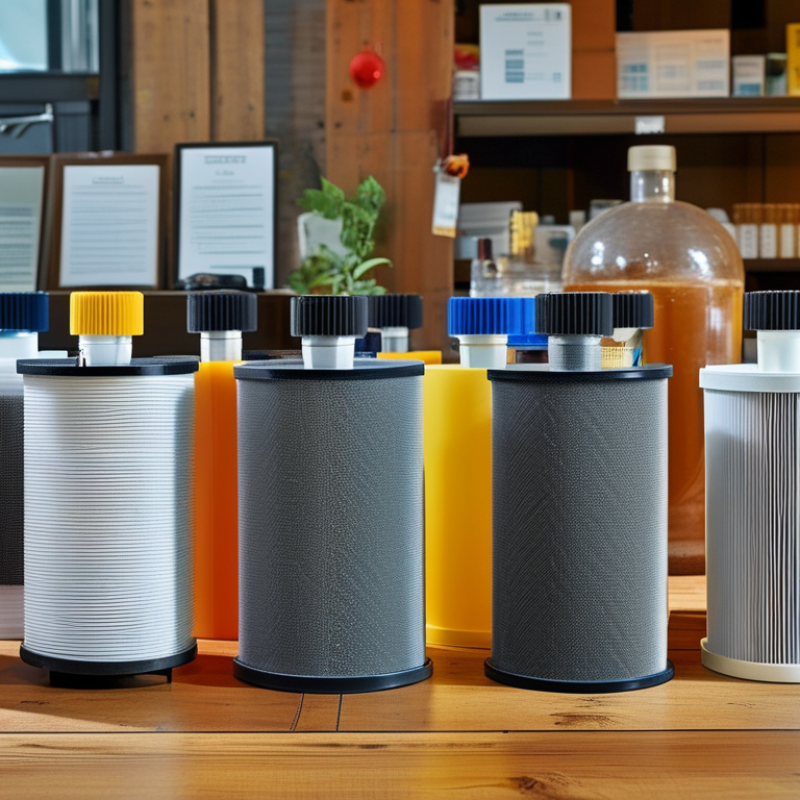
Understanding PTFE Filter Media and Its Applications
PTFE filter media is essential in various industries. Its unique properties make it suitable for both liquid and gas filtration. PTFE, or polytetrafluoroethylene, offers excellent chemical resistance. It can handle aggressive solvents and corrosive substances, ensuring durability and longevity.
These filters are widely used in pharmaceuticals, food processing, and environmental applications. In the pharmaceutical sector, they prevent contamination and maintain product purity. In food processing, they help ensure compliance with strict safety standards. There are also growing applications in air pollution control, where PTFE media effectively captures airborne particles.
Choosing the right PTFE filter requires careful consideration. Experts often recommend assessing the specific application first. Understand the types of contaminants involved. Think about the required flow rates. An improper selection may lead to issues like reduced efficiency or premature filter failure. Refining your choice based on testing and feedback is crucial for optimal performance.
Key Factors to Consider When Selecting PTFE Filter Media
When selecting PTFE filter media, several key factors come into play. Key considerations include porosity, thickness, and temperature resistance. A higher porosity allows for better flow rates, while thickness can contribute to durability. If the filter needs to withstand high temperatures, reviewing the material specifications is critical.
Another essential factor is chemical compatibility. PTFE is known for its chemical resistance, but understanding the specific chemicals in your environment is crucial. Not every PTFE filter can handle all substances. Additionally, consider the intended application. Will the filter be used for liquid or gas filtration? Identifying the right medium for your specific needs can significantly impact performance.
Inclusivity in your selection process is often overlooked. Gather insights and feedback, especially from end-users. This could reveal potential pitfalls in your choices. Testing prototypes with real-world samples is vital as well. Don't solely rely on theoretical data. Embrace iterative testing, allowing for adjustments. This approach may lead to unexpected discoveries that enhance filtration efficiency. Being open to re-evaluation can lead to more reliable outcomes in the long run.
Top Tips for Choosing the Right PTFE Filter Media
This chart illustrates the key factors to consider when selecting PTFE filter media, rated on a scale of 1 to 10 based on their importance. Factors such as Porosity, Temperature Resistance, Chemical Compatibility, Filtration Efficiency, and Pore Size significantly influence the effectiveness of filtration processes.
Evaluating Filtration Efficiency and Performance Standards
When evaluating the filtration efficiency of PTFE filter media, several performance standards must be considered. The efficiency of a filter is influenced by its ability to trap particles effectively. It's vital to look for media that meets or exceeds industry standards for filtration efficiency.
Tip: Assess the pore size. Smaller pores generally filter finer particles. However, they may restrict airflow. This trade-off needs careful consideration. Also, check the media's compatibility with the substances being filtered. A mismatch can lead to reduced performance.
Another important factor is the filter's durability. Not all PTFE filters are created equal. Some may degrade faster under certain conditions. Understanding these limits is key. Make sure to review relevant test data. This information serves as a guide to predict performance in real-world applications.
Tip: Evaluate the manufacturer's specifications. Reliable manufacturers provide detailed data on their products. Look for independent test results that verify claims. This information enhances trust in the selected media, making decision-making easier. Remember that each filtration application is unique. A filter that works well in one scenario may not perform the same in another. Consider your specific needs throughout the selection process.
Assessing Compatibility with Chemicals and Environmental Conditions
When selecting PTFE filter media, assessing compatibility with chemicals and environmental conditions is crucial. Many chemicals can degrade or corrode materials, impacting filtration efficiency. PTFE, known for its chemical resistance, often stands out. However, variations exist among different grades of PTFE. Take time to research specific chemical interactions.
Consider the temperature and pressure conditions where the filter will operate. High temperatures can alter material properties, making them less durable. Similarly, unique environmental factors, such as humidity or UV exposure, must not be overlooked. Filters exposed to extreme conditions might require additional protective measures.
Real-world applications often reveal gaps in initial assessments. Testing under actual operating conditions helps uncover unforeseen challenges. For instance, a filter that performs well in lab settings might fail in a complex system. Always anticipate the need for adjustments. Ultimately, meticulous evaluation leads to better filter selection and improved operational longevity.
Cost Considerations and Long-term Value of PTFE Filter Media
Choosing the right PTFE filter media involves more than just initial costs. It's essential to consider long-term value. These filters can last significantly longer than traditional materials. Their durability means reduced replacement costs over time.
Cost is a critical factor for many businesses. However, evaluating the total cost of ownership is crucial. The initial investment might be higher, but the longevity of PTFE filters can lead to savings. Regular maintenance can be less frequent, leading to less downtime in operations. This aspect is often overlooked.
Another consideration is the performance efficiency. PTFE filters are known for their high filtration efficiency. This can result in energy savings in machinery using these filters. If not selected carefully, businesses might face issues such as clogs or lower performance. Balancing upfront costs with potential long-term gains is key in the decision-making process.