10 Tips for Buying Steel Pipe Machinery Accessories
Steel pipe production depends on more than the main machine. The right Steel Pipe Machinery Accessories help keep forming, cutting, welding, and handling operations consistent. Yet a part that looks suitable in a catalog may not fit your line, material, or production speed. Small mismatches matter.
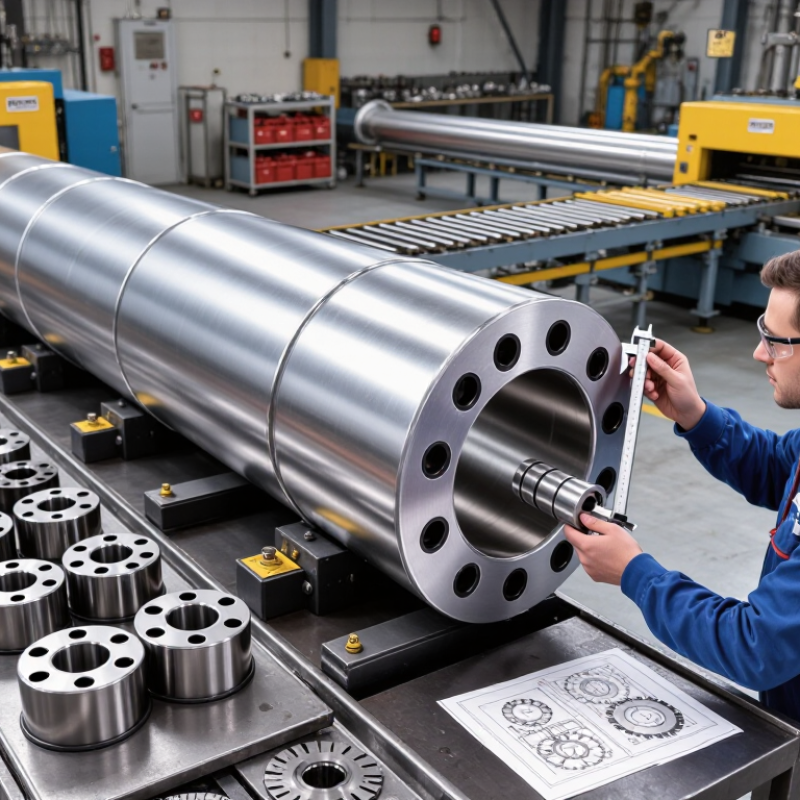
Before comparing prices, identify the machine model, connection dimensions, working conditions, and required output. Check whether the accessory contacts hot, abrasive, or corrosive materials. Ask for clear specifications, material details, and drawings when fit is uncertain. A precise measurement with calipers can prevent delays caused by an incorrectly sized roller, blade, or guide.
Reliability also depends on the supplier’s support. Look for traceable product information, realistic delivery estimates, warranty terms, and access to replacement parts. If a seller cannot explain compatibility or service limits, pause before ordering. That is worth doing.
Price still matters, but the lowest quote may exclude installation guidance or essential components. Compare the full cost, including expected wear, downtime, and maintenance needs. For example, a cutting blade that lasts longer may reduce changeovers, though performance should be verified against your actual pipe dimensions and operating conditions.
These ten tips offer a practical way to assess options without treating every accessory as interchangeable. Use them to prepare questions, compare suppliers, and check details before purchase. No checklist replaces a qualified review of your equipment. Some specifications may remain unclear until the machine is inspected, so leave room to confirm assumptions.
Define Production Needs and Identify Essential Accessories
Before buying accessories for steel pipe machinery, record production needs as measurable targets. List pipe diameter and wall-thickness ranges, steel grades, output per shift, and expected product changes. Map the actual workflow: forming, welding, sizing, cutting, and inspection. A line producing thin-wall tubes at high speed may need different guides and cooling parts than one handling thick sections. Check the machine’s condition, too. Worn shafts or misaligned rolls can make a new accessory seem ineffective.
Our first list is rarely perfect.
Identify accessories that directly support those targets, such as forming rolls, guide rollers, welding contact components, sizing tools, cutting blades, and lubrication parts. Match every part to the machine model, material thickness, operating speed, and connection dimensions. Request drawings, tolerances, material specifications, and maintenance intervals before ordering.
Measure twice.
A blade may fit its holder yet leave rough ends if its geometry is unsuitable. A guide roller with the wrong hardness may wear quickly or mark the pipe. Keep spares focused on wear items that could stop production.
Small details matter.
If trial data is limited, record the uncertainty and test one change at a time.
Check Machine Compatibility and Technical Specifications
Before buying steel pipe machinery accessories, confirm that each part matches the machine’s actual interface. Check the model and revision, then compare shaft diameter, keyway size, mounting-hole spacing, and connection type with the equipment drawing. Measure the old part with calipers where possible. A shaft may appear to fit but still have too much clearance. That small gap can cause vibration or uneven wear under load.
Check operating specifications as carefully as physical dimensions. Compare voltage, phase, motor speed, torque, and control connections for powered accessories. For rollers or guides, verify the pipe’s outside diameter and wall thickness range. Ask for a technical drawing that identifies measurement points and tolerances; vague dimensions invite avoidable errors. It is easy to assume that a part described as “standard” will fit. It may not. I would also record the machine’s identifying details before requesting a quote, since older equipment can have undocumented changes. A trial fit can reveal issues, but it should follow the machine maker’s installation and safety instructions. Keep the drawing and confirmed measurements with maintenance records.
Assess Material Quality, Precision, and Service Life
A steel pipe line can look robust, yet small accessories often determine how smoothly it runs. Wear may begin at a roller surface, bearing seat, or coupling edge. Check the material grade and heat-treatment records, not just the polished finish. Ask whether components resist the heat, pressure, and abrasion expected in your process. Small details matter.
Precision affects alignment and the finished pipe. Measure shaft diameters, mounting holes, and roller profiles against your equipment drawings. For rollers, check runout; even slight variation can cause uneven contact or vibration. A dial indicator can reveal movement that a quick visual check misses. Do not assume parts are interchangeable because their dimensions seem close.
Service life depends on material, fit, lubrication, and maintenance. Compare wear ratings and replacement intervals where reliable test data is available. Inspect accessible surfaces for rough edges, cracks, or inconsistent coating thickness. Request clear installation and maintenance guidance from the supplier. That helps, but no specification can predict every failure. A perfect-looking component may still wear early if alignment is poor. Factor in the cost of downtime, too, and keep realistic spare-part plans.
Compare Suppliers, Certifications, and After-Sales Support
When comparing suppliers for steel pipe machinery accessories, request the same details from each. A quote should specify material, dimensions, tolerances, and delivery time. For rollers, cutting blades, or bearings, ask how parts are inspected before shipment. Clear answers make price differences easier to judge.
Check certification documents carefully. Confirm that the certificate is current and covers the relevant product or manufacturing process. Ask for material traceability records when the application requires them. A tidy document pack can still leave gaps. Details matter.
Compare after-sales support, too: response hours, spare-part availability, warranty terms, and access to technical guidance. Ask who handles a fit problem and how quickly a replacement can ship. A fast reply before payment does not guarantee useful support later.
Request a sample service process or a written escalation path. These checks take time, and they cannot predict every failure. I would still leave room for a trial order; paperwork alone is an imperfect test of consistency.
Evaluate Total Cost, Delivery Terms, and Warranty Coverage
When comparing steel pipe machinery accessories, the quoted price is only one part of the purchase. Add freight, crating, installation, calibration, and tooling for your pipe sizes. Ask whether unloading and spare parts are included. A low quote can grow quickly. Request an itemized offer, then compare suppliers using the same specifications and quantities. I still find freight estimates easy to misread, so check what the estimate actually covers.
Tip: Confirm the delivery point, shipping method, and dispatch date. Ask what happens if a critical roller or coupling arrives late. A few days can disrupt a planned maintenance window. Check packaging details too; heavy steel parts need protection from moisture and impact.
Read the warranty before placing the order. Verify its duration, start date, covered components, and whether labor or return freight is included. Ask how claims are documented and what response time is realistic. Keep serial numbers, inspection photos, and commissioning records. Paperwork helps, but vague terms remain a problem. Clarify exclusions in plain language. Wear parts can be an expensive surprise.