
MON - FRI 8AM - 5PM

10 Tips for Buying 304 Stainless Steel Angle

Buying 304 Stainless Steel Angle looks straightforward. The specification is not.

A bright, brushed surface can hide poor chemistry, uneven legs, or weak traceability. On a real project, those details affect welding, corrosion resistance, fit-up, and maintenance. ASTM A276/A276M covers stainless-steel bars and shapes, but buyers still need to verify dimensions, finish, heat numbers, and test certificates. Small omissions can become expensive corrections.

The market deserves careful attention. The World Stainless “Stainless Steel in Figures 2024” report recorded approximately 58.4 million metric tonnes of global stainless-steel production in 2023. That volume shows strong industrial demand, but it does not guarantee consistent quality between suppliers. Grade labels can be misread. Mill certificates can also vary in detail. A reasonable buyer should check them.

Stainless-steel historian Harold M. Cobb wrote, “There is no such thing as stainless steel; there are stainless steels,” in The History of Stainless Steel, published by ASM International. His point remains practical. “304” is a starting point, not a complete purchasing decision.

This guide examines ten buying checks, from chemical composition and tolerances to surface condition, packaging, and delivery evidence. It also questions common assumptions. For example, 304 performs well in many indoor and moderately corrosive environments, but it is not automatically suitable for chloride-heavy locations. That distinction matters.

Good buying is rarely dramatic. It is documented, measured, and sometimes a little skeptical.
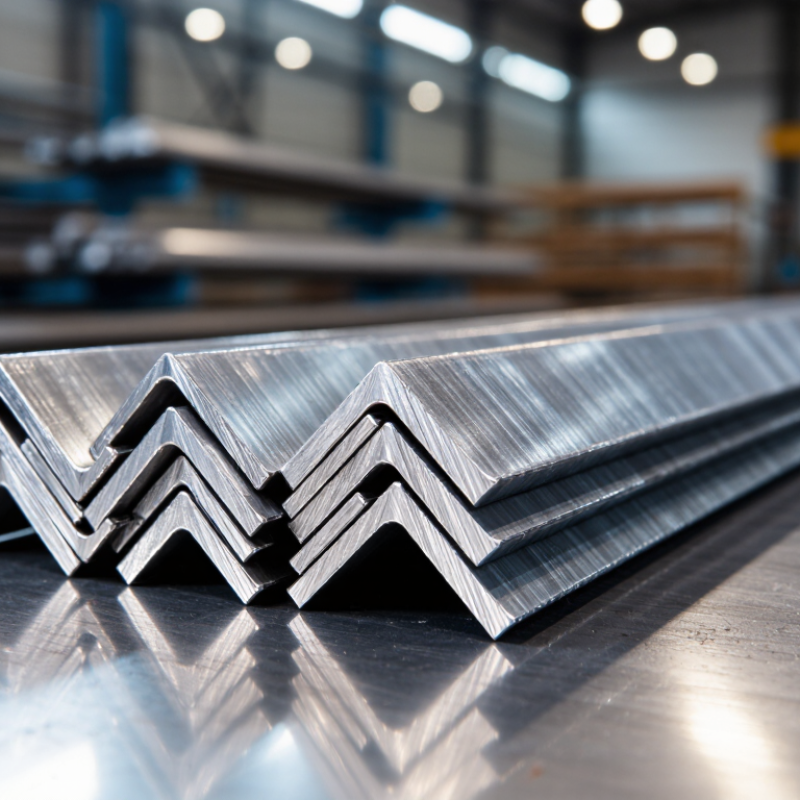
10 Tips for Buying 304 Stainless Steel Angle

Understand the Properties and Common Uses of 304 Stainless Steel Angle

10 Tips for Buying 304 Stainless Steel Angle

Understand the Properties and Common Uses of 304 Stainless Steel Angle

304 stainless steel angle is an austenitic grade containing about 18% chromium and 8% nickel. These elements support corrosion resistance, formability, and clean surface appearance. ASTM A240 and ASTM A276 provide common chemical and dimensional references. However, specifications can vary by product form. Check the mill certificate before purchasing.

World Stainless reported approximately 58.4 million tonnes of crude stainless steel production in 2023. This scale reflects strong demand across construction, food processing, transport, and equipment manufacturing.

Tip 1: Confirm the required leg lengths, thickness, and tolerance. A small mismatch can complicate welding or alignment.
Tip 2: Ask for the material test report, not only a sales description.
Tip 3: Examine the finish under practical lighting. Scratches may appear minor but become obvious after installation.

304 angle is commonly used for frames, guards, shelving, machinery supports, and architectural trim. It performs well in many indoor and mildly corrosive environments. Salt spray is different. Coastal exposure may require a higher-alloy grade.

Tip 4: Check whether the angle is equal-leg or unequal-leg.
Tip 5: Confirm whether edges are sharp, rounded, or processed.
Tip 6: Review the cutting method and cut quality. Burrs can increase assembly time.
Tip 7: Compare weight against a trusted dimensional table.
Tip 8: Do not assume polished material offers better structural performance.
Tip 9: Match the finish to cleaning requirements.
Tip 10: Recheck quantity after allowing for cutting waste.

A perfect datasheet cannot replace site judgment. That part is easy to underestimate.

Verify Grade, Standards, and Material Certifications

A bright surface does not prove that an angle is 304 stainless steel. I once inspected a polished batch that looked excellent, yet its paperwork described a different grade. Verify the grade on the quotation, packing list, and material test certificate. The wording should clearly state 304, not simply “stainless steel.” Check the chemical analysis, especially chromium and nickel ranges. A portable alloy analyzer can provide useful confirmation, but it should not replace certified documentation.

Standards matter too. Ask which specification controls the product, such as ASTM, EN, or another recognized standard. Confirm the angle’s thickness, leg dimensions, tolerances, and mechanical properties against that specification. The certificate should include the heat number, production date, test results, and issuing mill or processor. Match that heat number with the tag on the bundle. Small details matter. If they do not match, pause the purchase. Request traceability records before accepting the material.

Certification language can be confusing. “Tested” does not always mean “certified.” Ask whether the document is a manufacturer’s certificate, an independent inspection report, or a simple supplier declaration. Independent inspection adds confidence for critical projects, although it increases cost and time. I would rather delay delivery than discover untraceable steel after fabrication. My own checking is not flawless; handwritten records and copied certificates can still create mistakes. Keep photographs, batch labels, and receiving notes for later review. Reliable verification is a practical habit, not a paperwork exercise.

Choose the Right Angle Dimensions, Thickness, and Finish

10 Tips for Buying 304 Stainless Steel Angle

Choose the Right Angle Dimensions, Thickness, and Finish

Measure both legs carefully before ordering 304 stainless steel angle. Equal-leg angles suit frames, guards, and general supports. Unequal-leg angles provide more coverage on one side. Confirm each leg dimension, thickness, length, and corner radius on the drawing. A small mismatch can create awkward gaps during assembly.

Choose thickness according to the real load, not appearance alone. Light sections work for trim and light-duty brackets. Heavier sections resist bending, vibration, and repeated handling more effectively. Check the support span, fastening method, and expected force with a qualified engineer. I once selected a section that looked strong but flexed after installation. The dimensions were acceptable, yet the span was underestimated.

Finish affects both appearance and maintenance. A 2B finish is practical for many indoor fabrications. Brushed finishes can reduce visible handling marks and suit exposed surfaces. Avoid choosing a polished finish where scratches are likely. Confirm whether the angle is hot-rolled, cold-finished, or mechanically polished. These processes can affect straightness, surface texture, and cost. Ask for material certificates and verify the 304 grade, thickness tolerance, and cut quality. Inspect the edges for burrs, warping, and deep scratches when the shipment arrives. Small defects matter. However, finish alone does not guarantee corrosion resistance; cleaning practices and the surrounding environment still influence service life.

Evaluate Corrosion Resistance, Strength, and Fabrication Needs

304 stainless steel angle deserves more than a nominal grade check. Verify the mill certificate, dimensions, thickness, and surface condition. ASTM A276/A276M lists minimum tensile strength of 515 MPa and yield strength of 205 MPa for annealed 304. These values help, but they do not predict service life alone. Design loads, unsupported length, and corner geometry also matter.

Corrosion resistance depends heavily on the environment. Chlorides, stagnant moisture, and acidic cleaners can cause pitting, especially around welds and cut edges. The NACE IMPACT study estimated global corrosion costs at approximately US$2.5 trillion annually, equal to 3.4% of global GDP. That figure makes surface preparation worth serious attention. Specify clean cutting, removal of heat tint, and suitable pickling or passivation when required. A bright finish is not magic.

Fabrication needs should shape the purchase. Ask whether the angle will be drilled, welded, bent, or mechanically fastened. Cold working can increase strength and introduce slight magnetism; that is normal, but often misunderstood. Check the inside radius before bending. It may not match your drawing. Welding can also create distortion, so thinner angles may need temporary supports or revised tolerances. In practical inspections, edge burrs and mixed heats are easy to overlook. Request traceability, dimensional reports, and corrosion exposure details before accepting a lower price.

Compare Suppliers, Pricing, Quality Control, and Delivery Terms

10 Tips for Buying 304 Stainless Steel Angle

Supplier comparison should begin with traceability, not a low quotation. The International Stainless Steel Forum reported approximately 58.4 million tonnes of stainless steel production in 2023. That scale makes supplier consistency essential. Request the mill name, heat number, country of origin, and recent test certificates. Confirm compliance with ASTM A276 or EN 10088. Check chemical composition, tensile strength, thickness tolerance, and surface condition. Small gaps matter.

Pricing needs careful separation. Compare the base material price, processing charge, packaging, inland freight, and taxes. Nickel movements can quickly change 304 stainless steel costs, so ask whether the quote is fixed or adjustable. A cheaper angle may have thinner legs, wider tolerances, or weaker documentation. That is not always obvious. World Bank commodity reports show continued volatility across industrial metals, making quotation validity important. A 15-day offer may be safer than an attractive 60-day promise.

Quality control should include dimensional sampling, visual inspection, and positive material identification when the application is demanding. Ask for photographs before loading. Require marked bundles and moisture-resistant packaging. Delivery terms deserve equal attention. UNCTAD’s Review of Maritime Transport notes that over 80% of global merchandise trade moves by sea, so port congestion can disrupt schedules. Define the Incoterm, dispatch date, allowed tolerance, damage procedure, and late-delivery remedy. I would still keep a small buffer. Forecasts are often too optimistic.

Request a Quote

To learn more about any of the products and services provided by Abbott Ball Company, Inc., simply complete the form below.