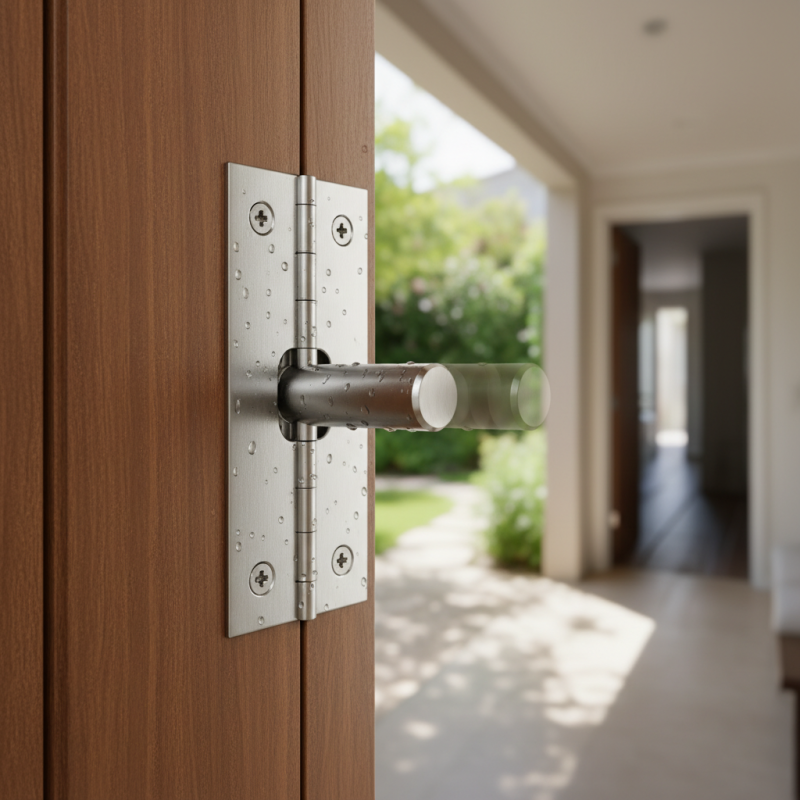
What is a Stainless Steel Door Hinge and How Does It Work?
A Stainless Steel Door Hinge is a vital component in door functioning. This hinge allows doors to swing open and closed smoothly. Made from durable stainless steel, these hinges resist rust and corrosion. They are ideal for both indoor and outdoor use.
The mechanics of a Stainless Steel Door Hinge are straightforward yet effective. It consists of two plates connected by a pin. When the door opens, the hinge allows rotation around the pin. This simple function plays a significant role in daily life.
Choosing the right stainless steel hinges can be challenging. Many people overlook weight limits and door sizes. Misjudgment in these areas can lead to functionality problems. A well-chosen hinge ensures smooth operation and longevity. Reflecting on this can improve decisions for future projects.
What is a Stainless Steel Door Hinge?
A stainless steel door hinge is a vital hardware component. It allows doors to swing open and closed smoothly. Made from high-quality stainless steel, these hinges are durable and resistant to corrosion. They are used in various applications, from residential homes to commercial buildings. According to industry reports, stainless steel door hinges account for over 30% of the hinge market share due to their strength and longevity.
For those considering stainless steel door hinges, it's essential to pay attention to their load capacity. Some hinges can only support a limited weight. Choosing the right hinge is crucial for functionality. A poorly selected hinge can lead to door misalignment or, worse, premature failure.
Tip: Regular maintenance can enhance the life of your hinges. Inspect them for wear and tear. Lubricating hinges every few months ensures smooth operation.
Stainless steel hinges come in various designs and sizes. It's easy to overlook these details, but they matter. Selecting the wrong size can affect how the door operates. Researching your options is critical. Remember, not all stainless steel is created equal. Higher grade steel provides better resistance to rust and staining.
Types of Stainless Steel Door Hinges Available
Stainless steel door hinges come in various types, each suited for specific needs. The most common types include butt hinges, continuous hinges, and pivot hinges. Butt hinges are typical for residential doors, allowing smooth operation. They are made of two plates, creating a strong pivot point. Continuous hinges, or piano hinges, run the full length of the door. They offer enhanced support and distribute weight evenly, especially for heavy doors.
Data from industry reports indicates that around 30% of commercial buildings utilize stainless steel hinges due to their durability. In contrast, residential usage tends to be around 10%. This discrepancy highlights the tendency of commercial properties to opt for sturdier options. Pivot hinges, on the other hand, allow doors to swing open from a single point, making them great for modern designs.
Maintenance is often overlooked. Corrosion resistance is a strong point, but not all stainless steel is created equal. Poor quality hinges can lead to failure over time, especially in humid conditions. For example, some reports suggest nearly 20% of stainless steel hinges are not properly rated for outdoor use, leading to unnecessary replacements. This brings attention to the importance of appropriate selections based on the environment where the hinges will be used.
Key Features and Benefits of Stainless Steel Door Hinges
Stainless steel door hinges are essential hardware for both residential and commercial doors. They are known for their strength and corrosion resistance. One key feature is their durability. Unlike other materials, stainless steel can withstand significant wear and tear. This makes them ideal for high-traffic areas.
In addition, stainless steel hinges provide a sleek and modern appearance. Many options are available, including various finishes and sizes. This versatility allows for easy integration into various design themes. They are suitable for both interior and exterior doors. However, installation can be tricky if not done correctly. Improper alignment may lead to functionality issues.
Another notable benefit is their low maintenance requirement. Unlike brass or plastic, stainless steel does not rust easily. Regular cleaning with a damp cloth keeps them looking new. However, scratches may still appear over time. This can be frustrating for some users. It’s a reminder that even sturdy materials have their vulnerabilities. Ultimately, understanding these features helps in selecting the right hinges for specific needs.
How to Install a Stainless Steel Door Hinge Properly
Installing a stainless steel door hinge can be straightforward if you follow the right steps. Begin by gathering your tools and materials. You will need a drill, screws, a screwdriver, and a level. Make sure your hinge is compatible with your door and frame.
Position the hinge on the door and mark where the screws will go. Drill pilot holes to avoid splitting the wood. If you skip this step, you may end up with cracks or misaligned holes. Attaching the hinge too tightly can also cause issues. Adjust the tightness as needed to ensure smooth movement.
Tip: Always double-check your measurements. Even a slight error can affect how your door functions. Allow a small gap for the hinge to operate smoothly.
Once the hinge is attached to the door, align it with the door frame. Secure it with screws, but do not overtighten. If the door doesn’t close easily, you might need to reposition the hinge. Testing the movement before finalizing helps avoid frustration later.
Tip: Use a level to ensure proper alignment. An uneven door can lead to wear and tear. It’s essential to address any misalignments early.
Stainless Steel Door Hinge Durability Comparison
This chart illustrates the durability ratings of stainless steel door hinges across different applications. Residential hinges tend to have a lower durability rating compared to those used in commercial settings, reflecting the varying demands of each environment.
Common Applications of Stainless Steel Door Hinges
Stainless steel door hinges are widely used in various settings due to their strength and resistance to rust. These hinges are a staple in residential, commercial, and industrial applications. In homes, you might find them on entry doors, bathroom doors, or even kitchen cabinets. Their sleek appearance often complements modern decor.
In commercial spaces, stainless steel door hinges enhance durability. They are ideal for high-traffic areas. For example, office buildings frequently use these hinges on restroom doors or service entrances. They withstand repeated use without deteriorating. In industrial environments, such as factories or warehouses, their reliable performance is crucial. These hinges support heavy doors and resist harsh conditions.
While stainless steel hinges offer many benefits, they aren't perfect. Over time, even stainless steel can corrode, especially in coastal areas. Regular maintenance is necessary. Ignoring upkeep can lead to performance issues. A small amount of rust might appear. Understanding these nuances can help ensure longevity and functionality.