What is an Oral Drencher and How Does it Work?
In modern veterinary practice, the Oral Drencher is a vital tool for administering medications to animals. This device simplifies the process of delivering liquids directly to an animal's mouth. It ensures accurate dosage, which is crucial for treatment efficacy. It is particularly helpful when dealing with large livestock, where traditional methods may not be practical.
Understanding how the Oral Drencher works can enhance its effectiveness. The device typically features a nozzle designed to minimize discomfort, making the process smoother for the animal. However, improper use can lead to stress for both the animal and the handler. Training and experience play significant roles in optimizing its application. Each situation may require adjustments, and continuous learning is key to mastering this tool.
While the Oral Drencher offers clear advantages, it's essential to remain cautious. Knowing the specific needs and behaviors of different animals can improve outcomes. Handlers must be attentive to any signs of distress or discomfort during administration. This sensitivity reflects a commitment to animal welfare, essential in any veterinary context.
What is an Oral Drencher?
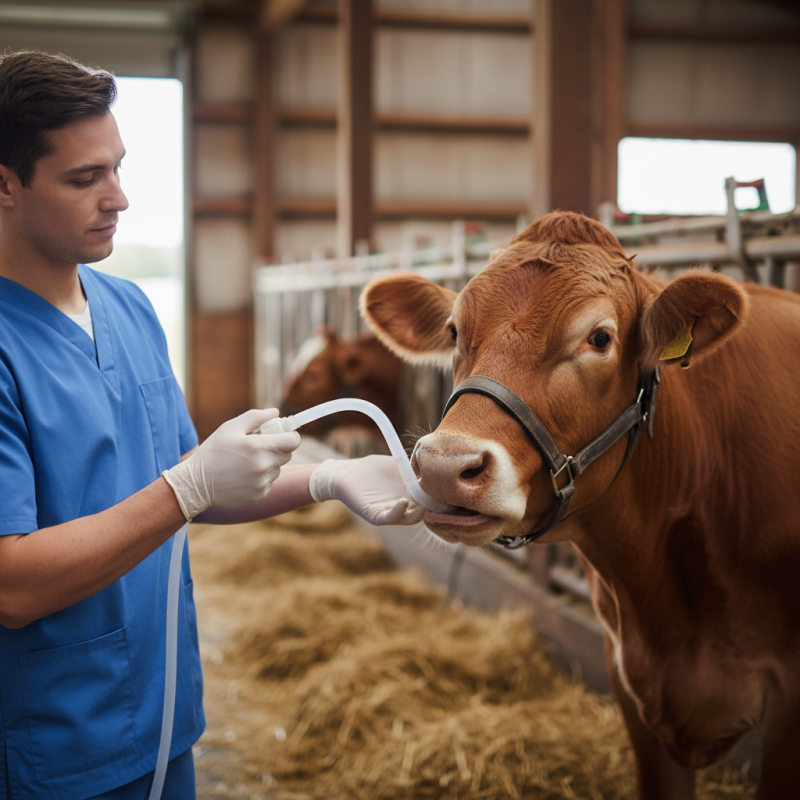
An oral drencher is a device used in veterinary and agricultural settings to deliver liquids directly into the mouths of animals. These devices ensure that animals receive necessary medications or nutritional supplements efficiently. According to a report by the American Veterinary Medical Association, proper administration of oral treatments can improve health outcomes by 30%.
The design of an oral drencher often features a long tube that allows for easy access to the back of the animal's throat. This design is critical for ensuring that the liquid is swallowed rather than expelled. Manufacturers emphasize the importance of a gentle approach. Forcing liquids too quickly can cause stress in animals, which may lead to negative reactions or refusal to accept future medications. A study published in the Journal of Animal Science notes that 15% of animals experience stress-related issues during oral administration when not done properly.
Despite its advantages, not every oral drencher is suitable for every situation. Understanding the specific needs of each animal is essential. Some animals may resist the process, and each application can be different. The effectiveness of an oral drencher also relies on the handler's technique. According to industry reports, proper training can increase successful administrations by over 40%. The challenges of using an oral drencher highlight the need for ongoing education and practice in the field.
The Purpose and Benefits of Using an Oral Drencher
An oral drencher is a device that aids in delivering liquids directly into the mouth or throat. This tool is particularly beneficial for livestock. It ensures that animals receive enough hydration or medication efficiently. Using an oral drencher can make the process of administering fluids quicker and less stressful for both animals and handlers.
The primary purpose of using an oral drencher is to improve hydration levels in animals, especially during illness or hot weather. It helps prevent dehydration, which can be detrimental to health. Furthermore, administering medication through an oral drencher can be more effective than some alternative methods. However, it's crucial to use this device properly to avoid choking hazards. Experts recommend practicing with a few animals before using it more widely. This helps in understanding the best methods to minimize stress for the animal.
While oral drenchers can be highly effective, there are some drawbacks. They require careful handling and hygiene to prevent infections. Inexperienced users might struggle with the correct technique. Additionally, some animals may resist using the drencher, leading to potential complications. Being aware of these factors ensures a more successful experience when using an oral drencher.
What is an Oral Drencher and How Does it Work? - The Purpose and Benefits of Using an Oral Drencher
| Dimension | Details |
| Definition | An oral drencher is a device used to deliver liquid medications or supplements directly to the mouth or throat. |
| Functionality | It allows for precise dosing and efficient administration, ensuring the medication is absorbed quickly. |
| Common Uses | Used for administering antibiotics, electrolytes, and nutritional supplements to animals, especially livestock. |
| Benefits | Increases efficiency, reduces stress for the animal, and ensures proper dosage. |
| Design Features | Ergonomic design for ease of handling, adjustable flow rates, and often includes a measuring scale. |
| Maintenance | Requires regular cleaning to prevent contamination and ensure proper functionality. |
How an Oral Drencher Works: The Mechanism Explained
An oral drencher is a device used primarily in veterinary practices and agriculture to administer liquids directly into the mouths of animals. Understanding how it works involves grasping the mechanics of fluid delivery. Typically, the tool consists of a tube connected to a reservoir, allowing for efficient dosing of medications, nutrients, or rehydration solutions. This method reduces stress on the animal and ensures accurate administration.
Research indicates that effective oral delivery can enhance hydration levels by up to 30% in livestock during critical care. The device’s design allows for a gentle force, minimizing the risk of choking or aspiration. It addresses common challenges faced by veterinarians in administering oral treatments, especially under stressful conditions.
Tips:
- Ensure the drencher is properly calibrated for accuracy.
- Regular cleaning is vital to avoid contamination.
- Training staff on proper use can lead to safer procedures for both animals and handlers.
Engaging with industry data can help refine techniques and improve outcomes. An oral drencher can revolutionize how care is provided but also requires careful attention to detail in its application.
Different Types of Oral Drenchers and Their Uses
Oral drenchers are essential tools in animal husbandry. They provide an efficient method to deliver medications, vitamins, or minerals directly into an animal’s mouth. There are several types of oral drenchers available, each designed for specific purposes.
One primary type is the volumetric drenching gun. This is widely used for delivering larger doses of liquid medication, often in sheep or cattle. A study indicated that effective dosing with volumetric drenchers can improve recovery rates by up to 25%. Another type is the syringe-style drenching tool. It is often employed in smaller animals like goats or pigs. This design allows for precise dosing, which is critical in veterinary medicine. For instance, a report highlighted that inaccuracies in dosing can lead to treatment failure or drug resistance.
Various types of oral drenchers also cater to different needs. For instance, some are designed for pastes rather than liquids. These are beneficial in delivering concentrated nutrients or supplements. However, improper use of oral drenchers can lead to aspiration pneumonia if the medication goes down the wrong airway. This reflects the need for proper training and caution in handling such devices. Each type of oral drencher has its pros and cons, impacting their reliability and effectiveness in practice.
Oral Drencher Types and Their Usage Frequency
This chart illustrates the different types of oral drenchers and their usage frequency in percentage. The Standard Drencher is the most commonly used, while Electronic Drenchers are less frequent.
Best Practices for Administering Oral Drenchers to Animals
Administering oral drenchers to animals requires careful technique and consideration. Make sure the environment is calm and free of distractions. A stressed animal can resist treatment. Use a gentle voice to soothe the animal as you prepare. This creates a better atmosphere for the task.
Positioning is essential. Hold the animal securely, ensuring there’s less chance of struggle. For smaller animals, consider using a helper to support them. Use a drenching gun or a syringe to deliver the medication. Aim for the back of the throat to stimulate swallowing. Be cautious; a wrong angle can lead to choking.
After administration, observe the animal for any signs of discomfort or adverse reactions. It’s crucial to assess their response. Document the dosage and any peculiarities noticed during the process. Reflecting on these experiences helps improve future interactions. Each administration teaches something new, enhancing both effectiveness and trust in the long run.