What are the Key Properties of 316 Stainless Steel?
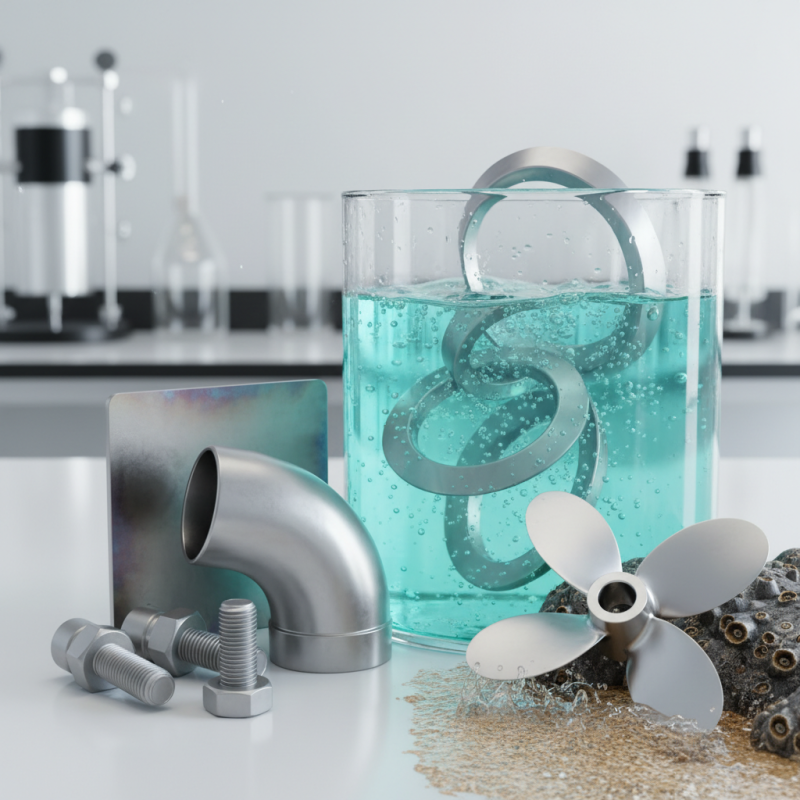
316 stainless steel is a popular alloy known for its durability and corrosion resistance. It contains nickel and molybdenum, enhancing its strength. The key properties of 316 stainless steel properties make it ideal for various applications.
One notable feature is its excellent resistance to pitting. This makes it suitable for harsh environments, such as marine and chemical settings. Its ability to withstand high temperatures is another advantage, but it can still warp under extreme conditions.
While 316 stainless steel is reliable, it is not infallible. Cost can be a concern for some manufacturers. Additionally, not everyone is aware of how to care for this material properly, risking premature wear or damage. Understanding the key characteristics of 316 stainless steel properties can lead to better usage and longevity of products made from it.
Chemical Composition of 316 Stainless Steel and Its Significance
316 stainless steel is known for its remarkable corrosion resistance. This property stems from its unique chemical composition. It contains chrome, nickel, and molybdenum, which enhance its durability. The presence of molybdenum is particularly important. It allows the steel to withstand harsh environments, including chloride exposure.
The chemical composition directly affects the material's performance. For instance, the high nickel content improves its toughness. This makes 316 stainless steel suitable for various applications, from marine hardware to medical instruments. However, some might find it difficult to weld. Improper welding techniques can lead to issues with corrosion resistance.
**Tip:** Always check the chemical composition when selecting stainless steel for your project. This can prevent future problems.
Understanding these details helps in choosing the right type. While 316 stainless steel has many advantages, it may not be the best choice for every situation. Some users may overlook its limitations. Remember, knowledge of the material's properties ensures better decision-making.
Mechanical Properties of 316 Stainless Steel: Strength and Durability
The mechanical properties of 316 stainless steel make it a preferred choice in various industries. Known for its high tensile strength, it typically reaches around 580 MPa. It also offers excellent durability, making it resistant to pitting and corrosion. This characteristic is crucial for marine and chemical applications. Interestingly, while 316 stainless steel performs well, it isn’t invulnerable. Under extreme conditions, its strength may be compromised.
When considering 316 stainless steel, remember that temperature plays a vital role. At elevated temperatures, it can lose some structural integrity. The yield strength may drop, affecting its overall performance. Always account for these factors when planning your project.
Tips: Always consult material data sheets. They provide critical information for your specific application. Matching the right mechanical properties to your needs is essential for success. Also, consider environmental factors that could affect performance over time. Understanding these elements will enhance your material choice and project outcomes.
Corrosion Resistance of 316 Stainless Steel in Various Environments
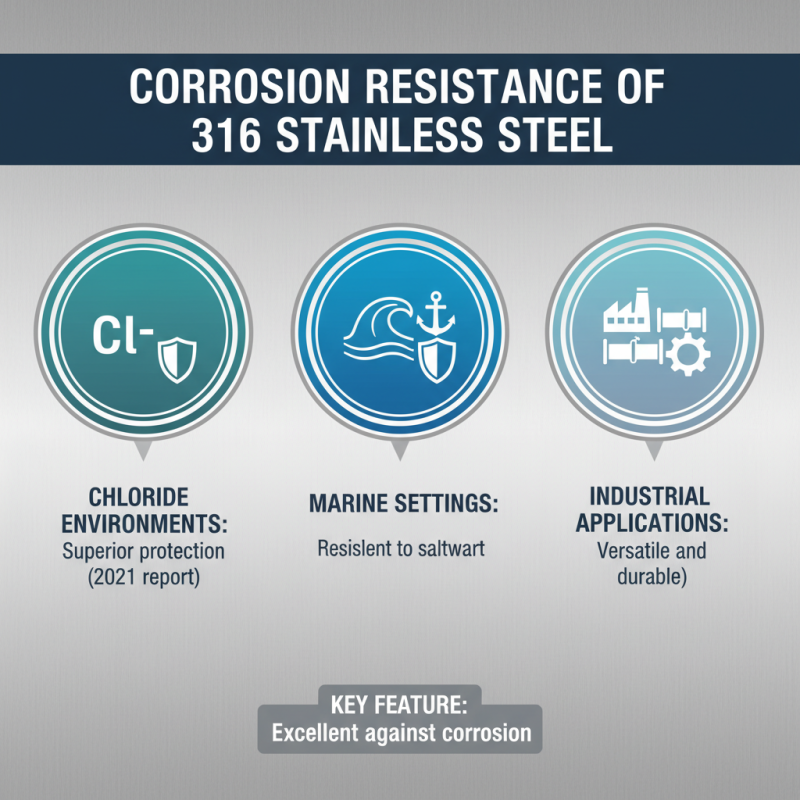
316 stainless steel is known for its excellent corrosion resistance. This property is crucial in various environments. According to a 2021 report from the Corrosion Engineering Society, 316 stainless steel offers superior protection against chloride-induced corrosion. In marine settings, it remains resilient against saltwater exposure. This attribute makes it invaluable for coastal applications.
In terms of pitting resistance, 316 stainless steel shows impressive performance. It scores a Pitting Resistance Equivalent Number (PREN) of 25, highlighting its durability in harsh conditions. However, while it withstands corrosive environments well, it is not entirely immune. In specific acidic conditions, like those found in some chemical processing plants, it may show signs of wear over time.
Despite its strong reputation, regular maintenance is still essential. The protective passive layer on its surface can degrade under certain conditions. Exposure to high heat and extreme environments can compromise its integrity. Routine inspections are important to ensure longevity, particularly in aggressive environments. Overall, understanding the limitations is crucial for optimizing the use of 316 stainless steel.
Applications of 316 Stainless Steel in Industry and Construction
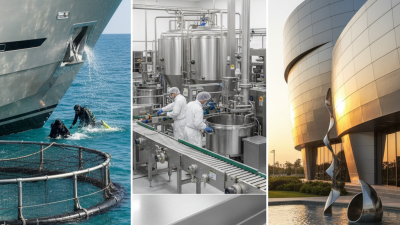
316 stainless steel is known for its exceptional corrosion resistance. This makes it a preferred choice in industries that face challenging environments. It is often used in the marine industry due to exposure to saltwater. Its durability and strength under harsh conditions are vital for equipment and structures.
In construction, 316 stainless steel is frequently utilized in architectural designs. Railings and facades made of this material add both aesthetic appeal and strength. Its resistance to rust enhances the longevity of these structures, reducing maintenance costs. Additionally, 316 stainless steel is beneficial in food processing. It is common in equipment that requires strict hygiene standards.
However, not all applications are straightforward. The high cost of 316 stainless steel can be a barrier for small projects. Some may underestimate the importance of proper welding techniques, leading to potential failures. It’s crucial to understand these challenges to maximize the benefits of using this versatile material.
Key Properties and Applications of 316 Stainless Steel
| Property |
Description |
Applications |
| Corrosion Resistance |
Excellent resistance to corrosion in chloride environments and acidic substances. |
Marine applications, chemical processing, and food production equipment. |
| Temperature Resistance |
Maintains strength and stability at higher temperatures compared to other steels. |
Power plants, exhaust systems, and heat exchangers. |
| Mechanical Strength |
Good tensile and yield strength, making it durable under stress. |
Structural applications in construction and manufacturing. |
| Weldability |
Easily weldable with various welding methods, adaptable for different applications. |
Fabrication of tanks, piping, and diverse industrial components. |
| Formability |
Can be easily formed into various shapes without cracking. |
Manufacturing of complex equipment and architectural elements. |
Comparison of 316 Stainless Steel with Other Stainless Steel Grades
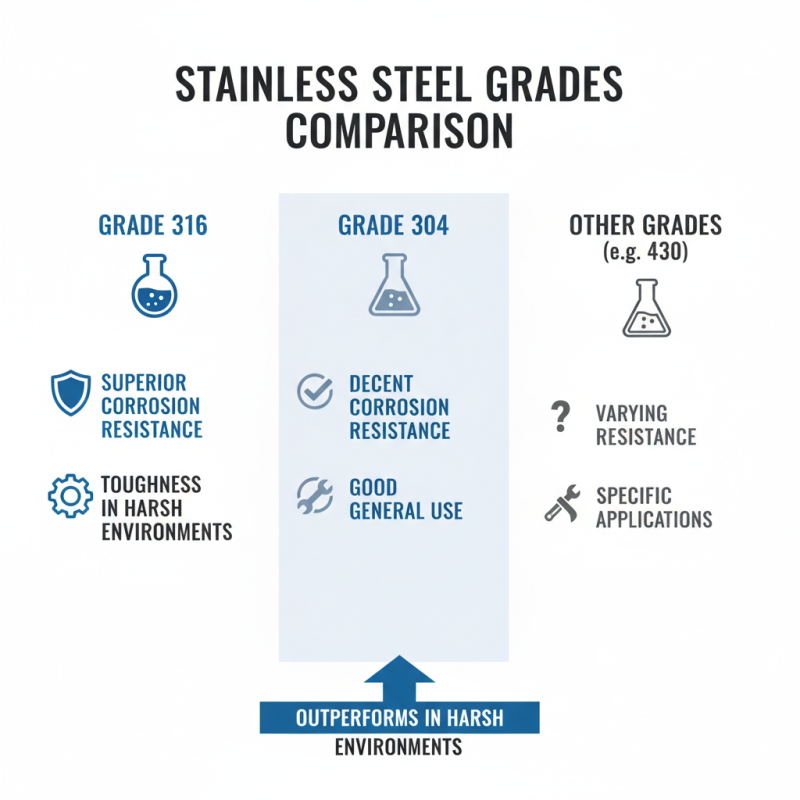
316 stainless steel is known for its excellent corrosion resistance. Comparing it to other stainless steel grades reveals unique strengths. For instance, grade 304 offers decent corrosion resistance but lacks the same level of toughness as 316. When exposed to harsh environments, 316 outperforms 304 significantly.
Another comparison worth noting is with grade 430. While 430 steel is more affordable, it is not as resistant to rust. In situations involving high chloride exposure, 316 is the superior choice. Manufacturers often prefer it for marine applications. The enhanced durability of 316 makes it ideal for long-lasting projects.
Tips: Always consider the environment when choosing stainless steel. A thorough assessment can prevent costly replacements. It’s wise to balance cost with performance. Sometimes, paying more upfront can save future headaches. Ensure you analyze the specific needs of your project before making a decision. This careful evaluation can lead to better outcomes.