
Choosing the best Smoke Alarm for your market requires more than comparing prices and battery claims. Real-world performance depends on housing design, cooking habits, climate, installation practices, and local safety requirements. A device suited to a quiet apartment may perform poorly in a humid workshop or a busy family kitchen.
Start with the risk profile of the people and buildings you serve. Photoelectric alarms often respond well to slow, smoldering fires, while other sensing technologies may detect rapidly developing flames more effectively. Some models combine both approaches. Consider false alarms, too. Frequent alerts from steam or cooking can lead residents to remove the alarm, which creates a serious safety gap.
Look for clear test records, dependable manufacturing, and certification accepted in your target region. Check alarm volume, low-battery warnings, sealed battery life, wireless interconnection, and maintenance access. A practical evaluation should include sample installations, user feedback, and repeated testing under realistic conditions.
Details matter.
A smooth sales presentation is not proof of reliability. A low-cost unit may become expensive after replacements, returns, and support calls. Even experienced buyers can overlook language barriers, ceiling layouts, or limited mobility among users. Review technical documents carefully, consult qualified fire-safety professionals, and verify current local requirements before selecting a product line. The “best” Smoke Alarm is not universal. It is the model that offers credible protection, understandable operation, and consistent performance for the specific market it serves.
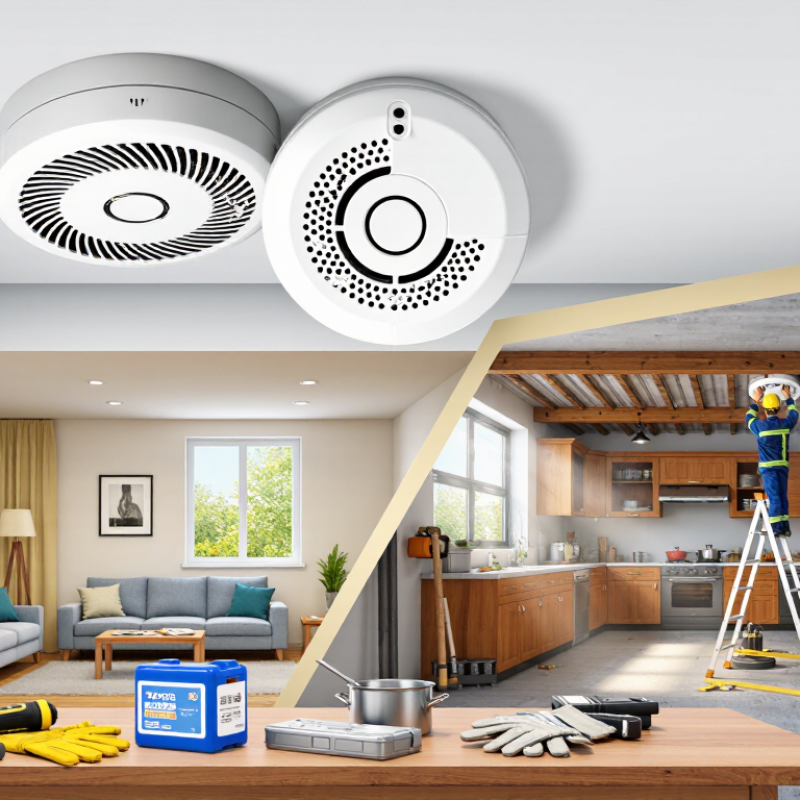
How to Choose the Best Smoke Alarm for Your Market?
Map Market Hazards and Codes Before Selecting a Smoke Alarm
A suitable smoke alarm begins with a clear map of local hazards. Identify kitchens, workshops, sleeping areas, garages, and dusty storage rooms. Each space can produce different smoke patterns. Cooking vapour may trigger nuisance alarms, while fine dust can block sensing chambers. Map it carefully.
Review local building codes and fire safety requirements before comparing alarm features. Requirements may differ by property type, room use, housing density, and regional authority. Check approved certification marks, placement rules, interconnection needs, and testing intervals. Codes vary. That matters.
On site, observe ceiling height, airflow, humidity, and likely maintenance access. A high ceiling may need different placement than a narrow hallway. In a humid coastal market, moisture resistance deserves attention. In a cold warehouse, temperature limits may affect reliability. These details are easy to overlook.
A practical assessment should include interviews with installers and facility managers. They can reveal recurring false alarms, inaccessible devices, or confusing test controls. Written specifications alone may miss those problems. I have found that a neat hazard map can still be incomplete when occupants change room use. Leave room for review.
Select the alarm only after matching its sensing method and operating limits to the mapped conditions. Confirm performance documents through recognized testing bodies and verify the latest local requirements with the responsible authority. Field checks should continue after installation, because real buildings rarely behave exactly like drawings.
Map market hazards and local codes before selecting a smoke alarm. The chart compares three common residential alarm-location requirements across selected regulatory frameworks. A value of 1 means the location is included in the stated baseline; 0 means it is not generally included in that baseline.
Baselines shown: NFPA 72 residential placement principles for the United States; BS 5839-6 Grade D2 domestic baseline for the United Kingdom; and Australia NCC smoke-alarm placement provisions. Local amendments, dwelling type, building height, and risk classification may require additional devices.
How to Choose the Best Smoke Alarm for Your Market?
NFPA data indicates that 59% of reported fire deaths involved missing or failed smoke alarms. This figure changes how market buyers should evaluate alarms. A low purchase price means little when an alarm does not operate during a real emergency. Selection must begin with dependable detection, clear warnings, and consistent performance over time.
In field evaluations, installation conditions often expose weaknesses that laboratory checks miss. Dust can enter poorly protected chambers. Steam may trigger nuisance alarms. Weak batteries can create silent failures. Choose alarms with tested sensing technology, strong battery alerts, and visible status indicators. Voice warnings may help residents identify danger quickly, especially in bedrooms or noisy homes. The alarm should also fit local ceiling types, room sizes, climate conditions, and maintenance habits.
Certification from recognized testing organizations supports trust, but it should not replace practical verification. Review test reports, failure rates, battery life, sound levels, and instructions before purchasing. Check whether users can test the alarm without tools. That detail matters. A difficult test button may discourage regular checks. The 59% statistic also needs careful interpretation, because NFPA findings depend on study periods and reported fire conditions. It is useful evidence, not a complete product scorecard. Even reliable alarms can fail when installed incorrectly, covered, ignored, or never tested. Market research should examine these human factors, not only technical specifications.
Choosing detection technology requires more than comparing alarm prices. Photoelectric sensors respond well to slow, smoldering fires, such as upholstery or wiring hidden behind walls. Ionization sensors can detect fast-flaming fires quickly, especially when dry materials ignite suddenly. However, they may react more easily to cooking particles or steam. Dual-sensor alarms combine both methods, offering broader coverage for varied household conditions.
Market conditions should guide the decision. Apartments near busy kitchens may benefit from carefully positioned photoelectric units. Warehouses with paper stock or packaging need a wider risk assessment, including airflow and ceiling height. Local testing standards, installation rules, and environmental conditions also matter. A compliant alarm can still perform poorly if installed beside a vent. I once viewed dual-sensor technology as the obvious answer. That assumption was too simple. False alarms can reduce trust, even when detection capability is strong.
Tips: Check the fire risks common in your target market. Test alarms after installation and during routine maintenance. Keep them away from direct steam and dusty work areas. Confirm sound levels in bedrooms and larger rooms. Replace units according to the manufacturer’s service guidance. Do not rely on one technology everywhere. Good placement matters just as much. Test it often.
Choosing the best smoke alarm begins with compliance, not appearance. UL 217 generally applies to residential smoke alarms, while UL 268 covers smoke detectors used in commercial fire alarm systems. In Europe, EN 14604 is a key standard for residential smoke alarms. These standards address sensing performance, alarm behavior, environmental tests, and electrical safety. Confirm the exact product category before comparing specifications.
Do not rely on a printed logo or a supplier’s verbal claim. Request current certificates, test reports, factory details, and the certification scope. Check whether the documents match the model number, power source, and intended market. Local rules may also require specific spacing, battery types, labeling, language, or installation methods. Requirements can change. That detail is easy to miss.
Tips: Build a market checklist before purchasing samples. Ask an independent compliance specialist to review the documents. Test alarms in realistic conditions, such as a hallway near a kitchen, but avoid treating one sample as final proof. Inspect the alarm after transport, check the sound level, and record nuisance alarms during repeated tests. UL 217 and UL 268 are not interchangeable. EN 14604 does not automatically satisfy every local requirement. A perfect checklist does not exist; regulations and product revisions can expose gaps later. Keep technical records organized and review them before each shipment.
How to Choose the Best Smoke Alarm for Your Market?
A smoke alarm’s location can determine how quickly it detects danger. Place alarms inside bedrooms, outside sleeping areas, and on every floor. Mount them on the ceiling when possible, or high on a wall. Keep them away from cooking fumes, bathrooms, windows, and air vents. In a small apartment, a hallway unit may cover sleeping rooms, but local requirements should guide the final layout. Field installers often notice one problem: alarms are installed correctly, then blocked by furniture or painted over.
Connectivity also deserves practical attention. Interconnected alarms can warn people throughout a building when one sensor detects smoke. Wireless systems simplify installation, especially in finished homes. However, weak signals, dead batteries, or incompatible devices can reduce reliability. Test every connected unit after installation. A quiet test result is not enough if one alarm fails to communicate.
Tips: Check the sensing area, alarm volume, test button, and low-battery warning. Record the installation date inside the battery compartment. Many alarms use a ten-year replacement cycle, particularly sealed-battery models. Replace the entire unit when that period ends, even if it still sounds during testing. Dust, aging sensors, and humidity can reduce performance silently. I would not rely only on a printed date. Review the manual and local safety rules, because replacement guidance can differ. Ten years feels long. It is not.
| Assessment Dimension | Recommended Requirement | Relevant Market Consideration | Practical Selection Guidance |
|---|---|---|---|
| Primary Placement | Install on the ceiling where possible; if wall-mounted, place it high on the wall and follow local code requirements. | Ceiling height, room layout, construction type, and local installation rules vary by market. | Choose a unit with clear mounting instructions and hardware suitable for common ceiling and wall surfaces. |
| Coverage Areas | Place alarms inside bedrooms, outside sleeping areas, and on every level of the home, including basements where applicable. | Multi-story homes and larger floor plans may require additional units to provide effective coverage. | Select products that support simple multi-room planning and provide clear coverage guidance in the user manual. |
| Avoiding Nuisance Alarms | Keep alarms away from cooking appliances, bathrooms, heating or cooling vents, windows, doors, and dusty or humid locations unless local guidance states otherwise. | Kitchens, compact apartments, and humid climates can increase false-alarm concerns. | Consider models with a temporary hush feature and installation guidance for areas vulnerable to steam or cooking particles. |
| Sensor Type | Use a sensor type that matches the expected fire risks, or consider a dual-sensor design for broader detection coverage. | Fire behavior, building materials, and regulatory requirements may differ between residential and light-commercial markets. | Verify applicable certifications and test performance through recognized local or regional approval systems. |
| Interconnectivity | Interconnected alarms should sound together when one unit detects smoke. | Interconnection requirements and permitted technologies may vary by jurisdiction and building type. | Confirm compatibility across all units in the same installation and specify whether the connection is wired, wireless, or both. |
| Smart Connectivity | Optional app, hub, or network connectivity can provide alerts, device status, and maintenance reminders. | Internet availability, privacy expectations, cybersecurity rules, and smartphone adoption affect market suitability. | Offer a reliable local alarm function even when internet service or mobile connectivity is unavailable. |
| Power Configuration | Available options include replaceable batteries, sealed long-life batteries, or mains power with battery backup. | Electrical standards, building wiring practices, maintenance access, and consumer preferences influence the best option. | Use sealed long-life power for low-maintenance installations; use mains power where required by local rules or building design. |
| Low-Battery Warning | The alarm should provide an audible and, where available, visual warning when power is low. | Warning volume, indicator visibility, and accessibility needs can differ among households and building occupants. | Prioritize clear status indicators, an accessible test button, and a warning pattern described in the instructions. |
| Testing and Maintenance | Test alarms regularly, keep them free of dust, and follow the maintenance schedule in the product instructions. | Users may have different levels of technical knowledge and varying access to replacement parts. | Choose a visible test button, simple cleaning process, and clear instructions using the local market language. |
| Replacement Cycle | Replace the complete smoke alarm approximately every 10 years, or sooner if the manufacturer or local authority specifies. | A 10-year service-life expectation supports lifecycle planning, but approval rules and product instructions remain decisive. | Provide a visible manufacture or replacement date and avoid treating battery replacement as a substitute for replacing the alarm. |
| Environmental Conditions | The alarm should operate within its specified temperature and humidity range and be protected from excessive dust or moisture. | Cold regions, tropical climates, coastal areas, and dusty construction environments create different operating demands. | Check the environmental specifications before selecting products for unconditioned spaces or challenging climates. |
| Accessibility and Alerts | Audible alarms should be supplemented where appropriate with visual or vibrating alerts for people who may not hear standard signals. | Accessibility requirements and available assistive systems differ across markets and building categories. | Assess alert volume, visual indicators, remote notification options, and compatibility with approved accessibility devices. |
| Regulatory Compliance | The product should meet the smoke-alarm standards, electrical requirements, and certification rules applicable to the target market. | Certification marks, labeling, language, and installation rules are market-specific. | Complete a local compliance review before import, distribution, installation, or inclusion in building projects. |
| Lifecycle and Disposal | Plan for replacement, battery handling where applicable, electronic-waste collection, and end-of-life disposal. | Recycling infrastructure and extended producer responsibility requirements vary by location. | Include replacement reminders and communicate the correct disposal route for the target market. |
To learn more about any of the products and services provided by Abbott Ball Company, Inc., simply complete the form below.