2026 How to Choose the Best Aluminium Conveyors for Your Business?
Choosing the right Aluminium Conveyors is crucial for optimizing your business operations. The aluminium conveyor market is projected to grow significantly, with estimates showing a 5.4% CAGR from 2021 to 2026. Companies increasingly prefer aluminium due to its lightweight nature and resistance to corrosion.
Expert Sam Thompson, a leading figure in material handling solutions, states, "Aluminium Conveyors provide efficiency that can transform your production line." His insights highlight the importance of considering both cost and durability when selecting conveyors. While aluminium systems often offer superior performance, businesses must carefully assess their specific needs to avoid over-investment.
Moreover, it’s essential to reflect on the potential challenges of integrating new conveyor systems. Customization, maintenance, and compatibility with existing equipment are vital factors. Taking the time to weigh these variables can lead to a more informed decision. Engaging with industry reports and expert testimonials will enhance your understanding of the best Aluminium Conveyors for your business.
Understanding the Importance of Aluminium Conveyors in Industry
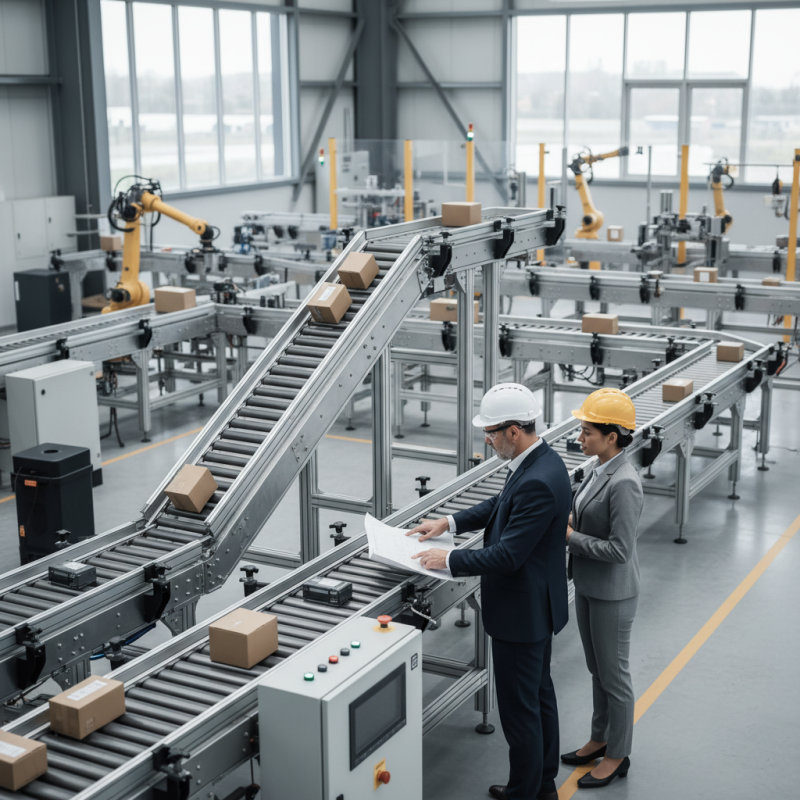
Aluminium conveyors are crucial in various industries due to their lightweight and durable nature. They provide efficiency in transporting materials while reducing operational costs. The lightweight design allows for easier maneuverability and installation, making them an optimal choice for production lines.
When selecting aluminium conveyors, consider the specific needs of your business. Ensure the conveyor length, width, and load capacity match your operational demands. Pay attention to the environment. For example, humid or corrosive environments may require special coatings or materials.
Tip: Always test the conveyor under real conditions before making a final decision. This helps to identify any potential issues.
Another important factor is maintenance. Regular checks can prevent unexpected downtime and costly repairs. Be proactive and keep a log of maintenance activities to track conveyor performance over time.
Tip: Involve your team in maintenance discussions. Their insights can lead to better performance strategies.
2026: How to Choose the Best Aluminium Conveyors for Your Business
Key Factors to Consider When Choosing Aluminium Conveyors
When selecting aluminium conveyors for your business, several key factors come into play. The type of materials to be conveyed is crucial. Understand the weight and dimensions of your products. A report from Industry Week indicated that improper conveyor selection can lead to operational inefficiencies, impacting 30% of productivity. Stability and strength are paramount. Choose conveyors that can handle your load capacities without compromising performance.
Tip: Assess the environment of your conveyor system. Factors like humidity, temperature, and exposure to chemicals influence material choice. Ensure the aluminium used can resist corrosion and wear, providing longevity and minimal maintenance.
Another important aspect is modularity. A modular conveyor system allows for flexibility and future adjustments. According to a study by Modern Materials Handling, businesses using modular systems report a 25% reduction in changeover times. Proper design simplifies maintenance and upgrades, essential for long-term efficiency.
Tip: Engage with experts for insights. They can guide you in understanding the nuances of conveyor technology and help you make an informed choice. Consider seeking professional assessments or case studies relevant to your industry.
Comparing Different Types of Aluminium Conveyors
When choosing aluminium conveyors for your business, it’s essential to compare various types. Understanding the nuances between each option can impact efficiency and productivity. There are multiple categories to consider, such as modular, belt, and roller conveyors. Each type has unique benefits and drawbacks, making it crucial to evaluate them carefully.
Modular conveyors, for instance, are versatile and can adapt easily to different layouts. However, their initial cost might be higher. Belt conveyors offer a smooth operation for consistent product flow. Yet, they can require more maintenance over time. Roller conveyors are durable and excellent for heavy items, but may not be suitable for smaller goods. Choosing the right type involves assessing the specific needs of your operation.
Don't overlook the potential limitations of each conveyor type. Think critically about your workflow and product specifications. A conveyor that seems ideal might not be the best choice for your unique situation. By weighing the pros and cons, you can make an informed decision that meets your business requirements.
2026 How to Choose the Best Aluminium Conveyors for Your Business? - Comparing Different Types of Aluminium Conveyors
| Type of Aluminium Conveyor | Load Capacity (kg) | Speed (m/min) | Length Options (m) | Features |
| Flat Belt Conveyor | 100 | 30 | 1 - 6 | Versatile, Suitable for Various Materials |
| Modular Belt Conveyor | 200 | 25 | 2 - 8 | Easy to Maintain, Customizable |
| Roller Bed Conveyor | 250 | 15 | 1 - 10 | Ideal for Heavy Loads, High Durability |
| Z Conveyor | 150 | 20 | 1.5 - 5 | Space-Saving Design, Elevation Options |
| Incline Belt Conveyor | 120 | 22 | 1 - 4 | Used for Product Elevation, Adjustable Angles |
Evaluating Manufacturer Reputation and Customer Support
When selecting aluminium conveyors, the manufacturer’s reputation is crucial. A reliable manufacturer usually showcases quality in their products. To evaluate their standing, start by checking customer reviews. Positive feedback is often a good sign, but consider any recurring complaints. A few negative comments are common. It’s the overall pattern that matters.
Customer support is another critical factor. Look for manufacturers who are responsive and helpful. They should be ready to address your concerns promptly. If possible, test their support services before making a purchase. A quick reply can indicate their commitment to service. Imagine facing a breakdown, only to have no one to turn to for assistance. It can be a stressful situation.
Consider also their experience in the industry. A manufacturer with years of expertise often understands market demands better. Look for examples of their work. Ask for case studies or references from previous clients. This can provide insight into their capabilities. While high prices often indicate quality, not always. Sometimes, lower-priced options meet your needs effectively. Be cautious and do your due diligence.
Maintaining and Upgrading Your Aluminium Conveyor System
Maintaining and upgrading your aluminium conveyor system is crucial for efficiency. Regular checks can prevent costly breakdowns. Data shows that 30% of conveyor failures are due to inadequate maintenance. Small issues can turn into significant problems if ignored, affecting production timelines.
Upgrading components can improve performance. Consider sensors for monitoring. Research indicates that automated systems can boost productivity by 20%. Integrating smart technology into conveyors enhances tracking and reduces downtime. However, not all upgrades lead to immediate benefits. It often requires evaluation and testing.
Investing in quality materials is vital. Aluminium conveyors are lightweight but durable. They reduce energy consumption, saving costs in the long run. Yet, businesses must assess their specific needs. Choosing the wrong system may lead to inefficiencies. Reflecting on past choices can guide better decisions for future upgrades.