2026 How to Choose 440c Stainless Steel for Your Projects?
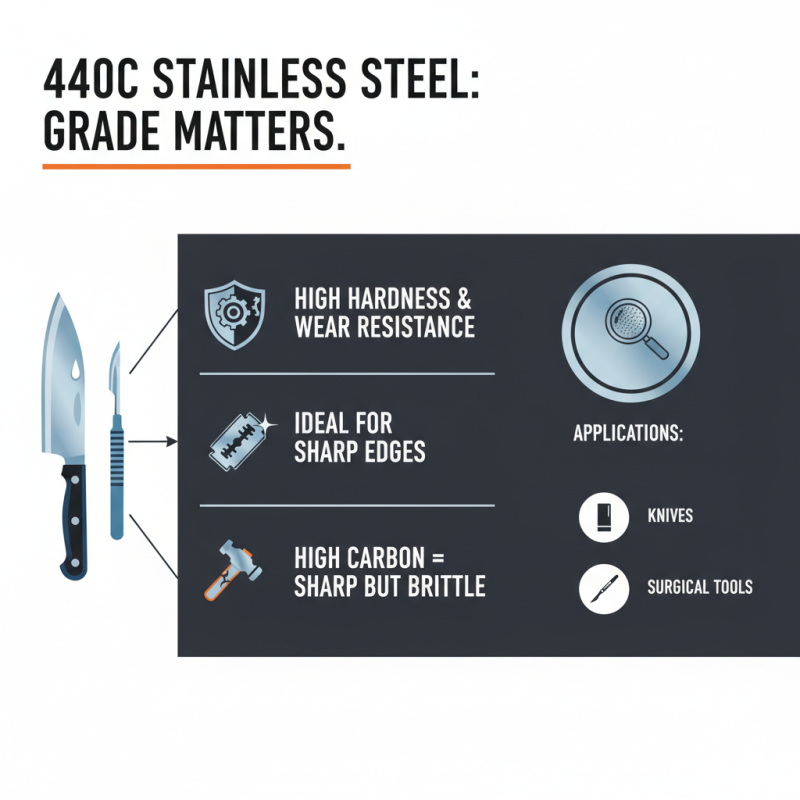
Choosing the right material for projects can be challenging. 440c stainless steel is a popular choice in various industries. Its high carbon content provides excellent hardness and wear resistance. According to industry reports, 440c stainless steel has a hardness rating of around 58-60 HRC, making it suitable for cutting tools and surgical instruments.
Expert John Smith states, "Understanding the properties of 440c stainless steel is crucial for optimizing performance in demanding applications." Many professionals note, however, that its corrosion resistance is not as high as other stainless steels. This drawback should be considered when selecting materials for environments exposed to moisture or chemicals.
A careful evaluation of requirements is essential. Factors like hardness, corrosion resistance, and machinability will influence decisions. While 440c stainless steel shines in certain aspects, its limitations can’t be overlooked. Engaging with industry experts can provide deeper insights into its practical applications and help achieve project success.
Understanding 440C Stainless Steel and Its Properties
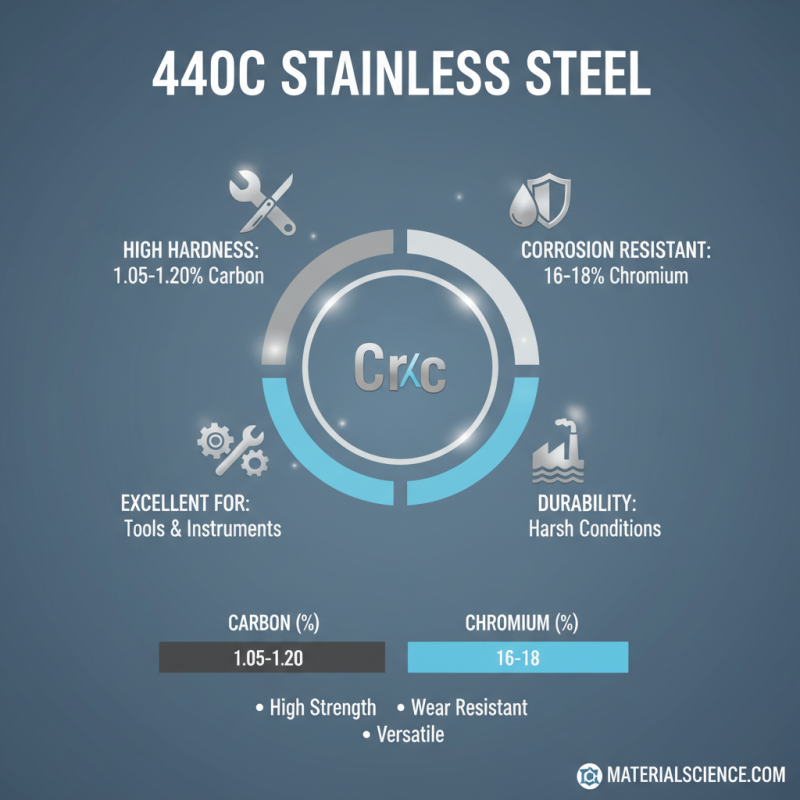
440C stainless steel is a high-carbon steel with remarkable properties. It contains around 1.05% to 1.20% carbon, providing great hardness. This makes it excellent for tools and surgical instruments. The high chromium content, around 16% to 18%, grants it impressive corrosion resistance. It can withstand harsh conditions, making it a favorite for various projects.
When working with 440C stainless steel, consider its drawbacks. Despite its toughness, it can be brittle. Careful heat treatment is necessary to achieve the desired balance between hardness and ductility. This steel can also be challenging to machine. Specialized tools may be needed for cutting and shaping.
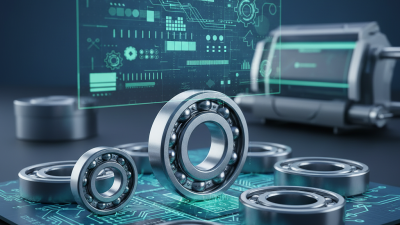
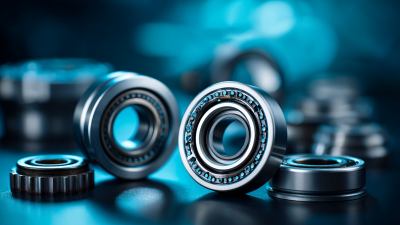
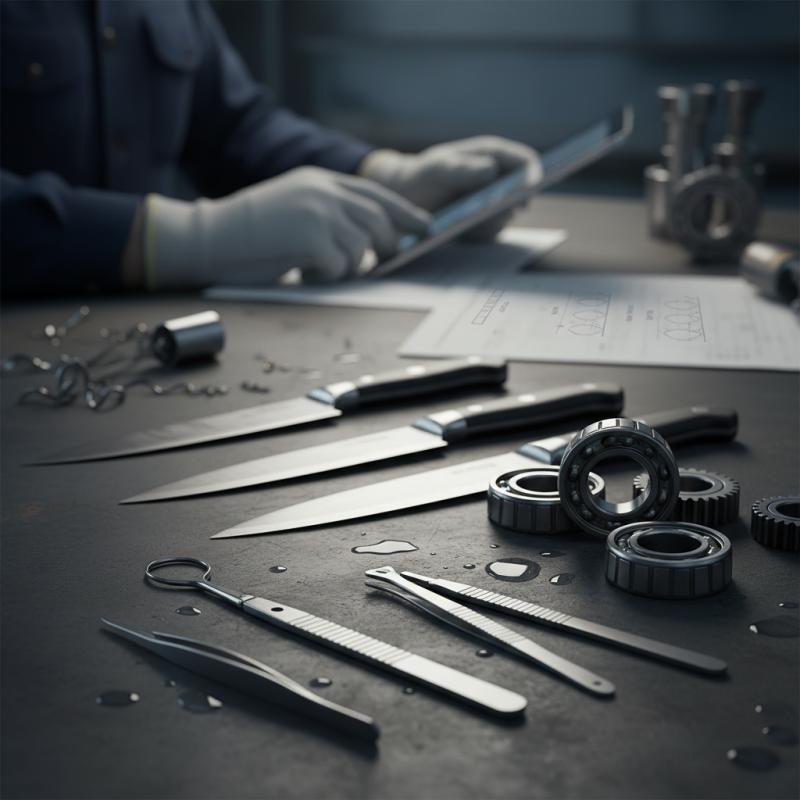
Understanding its applications is crucial. It is commonly used in knife blades, bearings, and cutting tools. However, always reflect on your project’s needs before choosing this material. Is the high hardness required? Or is there a need for greater flexibility? Being mindful of these factors will lead to better project outcomes.
Applications of 440C Stainless Steel in Various Industries
440C stainless steel is widely used across various industries due to its exceptional hardness and wear resistance. This steel grade is often utilized in the manufacturing of surgical instruments, valves, and tooling due to its ability to withstand high stress. According to the Metal Statistics Report, the demand for 440C stainless steel has increased by 15% over the past five years in the aerospace industry alone.
In the automotive sector, 440C finds applications in components that require strength and durability. Parts like pins and shafts are often made from this material. The annual market report indicates that automotive manufacturers are increasingly opting for 440C due to its resistance to corrosion and wear, even though it can be challenging to machine. This complexity may lead to higher production costs and longer timelines, which are important factors to consider.
Moreover, the food industry also embraces 440C stainless steel for its sanitary properties. It's commonly found in food processing equipment where hygiene is paramount. However, some manufacturers have voiced concerns regarding the limitations in polishing capabilities compared to other grades. There’s a delicate balance between desired properties and practical usability that often needs reassessment. Such comparisons reveal both the advantages and the imperfections inherent in choosing 440C for specific applications.
Factors to Consider When Choosing 440C Stainless Steel for Projects
When selecting 440C stainless steel for your project, several factors are essential. One key consideration is corrosion resistance. While 440C offers decent protection, it's not immune to harsh environments. Assess if your project involves exposure to moisture or chemicals. This insight helps ensure long-term durability.
Another critical aspect is hardness. 440C is known for its high hardness after heat treatment. However, this can also lead to brittleness. If your project requires flexibility, this could become an issue. Testing the material's properties in real-world scenarios is advisable.
Lastly, think about the machining processes involved. 440C can be challenging to work with compared to other stainless steels. Tools may wear out faster, leading to increased costs and downtime. Be prepared for potential delays during fabrication; this could impact timelines. Planning thoroughly can help mitigate these unexpected challenges.
Comparing 440C Stainless Steel with Other Stainless Steel Grades
When choosing stainless steel for your projects, understanding grade differences is crucial. 440C stainless steel stands out for its hardness and wear resistance. It is often used in applications needing sharp edges, like knives and surgical tools. Its high carbon content helps achieve a fine edge but can also make it more brittle.
Comparing 440C with other grades reveals significant variances. For instance, 304 stainless steel is more corrosion-resistant but softer. It is suitable for kitchen environments where flexibility is essential. In contrast, 420 stainless steel offers decent wear resistance but lacks the hardness of 440C. Users must consider these trade-offs when selecting the right material.
Designing products with 440C may require more thought. Its brittleness can lead to chips or breaks under pressure. Proper heat treatment processes can alleviate this risk, yet they demand expert knowledge. Not every project will flourish with 440C. Failing to assess requirements can lead to costly mistakes.
Maintenance and Care Tips for 440C Stainless Steel Products
When working with 440C stainless steel, proper maintenance is crucial to ensure longevity and functionality. This high-carbon stainless steel is known for its excellent wear resistance and hardness, making it a popular choice in various industrial applications. However, neglecting proper care can lead to rust and degradation. According to industry reports, regular maintenance can extend the life of 440C products significantly.
Tips for maintenance: Keep the surface clean. Use soapy water and a soft cloth to remove dust and residues. Avoid abrasive cleaners that may scratch the surface. Inspect the steel regularly for signs of wear, especially in high-friction areas.
Additionally, avoid exposing 440C stainless steel to harsh chemicals. Certain acids can cause pitting and corrosion. Even prolonged exposure to saltwater can lead to unwanted damage. In cases of heavy staining, consider using specialized metal cleaners designed for stainless steel, following manufacturer instructions closely. Always rinse and dry the surface after cleaning to prevent moisture buildup, which can attract rust.
Remember, while 440C stainless steel is robust, it is not invincible. Acknowledging its limitations can guide you in making informed decisions in your projects. Balancing care and use will ensure your products remain in top condition.