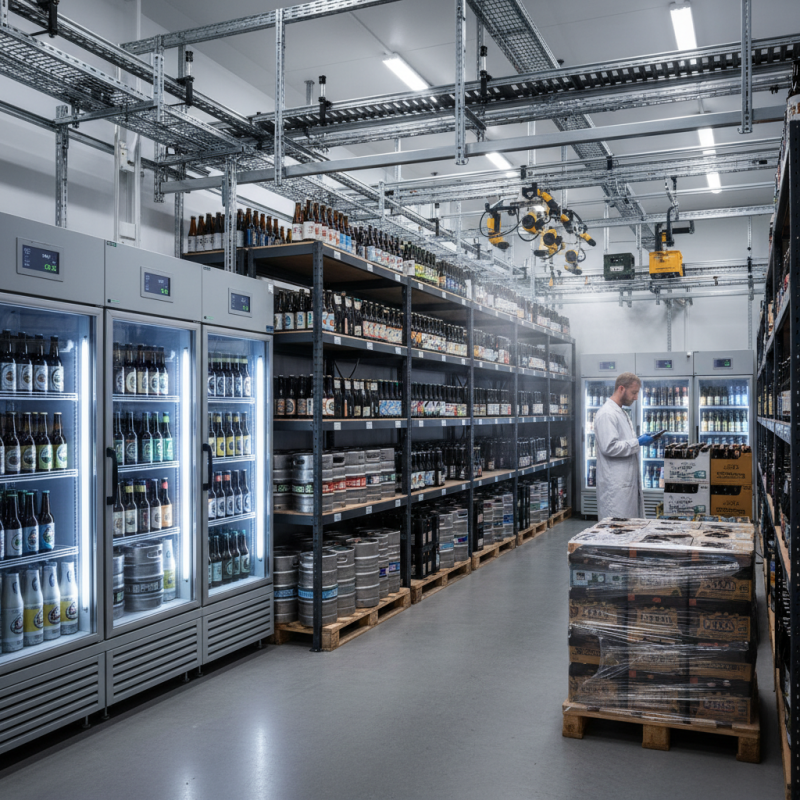
Top Tips for Efficient Commercial Beer Storage Solutions?
Efficient Commercial Beer Storage is crucial for breweries and bars. Proper storage methods help maintain the quality and taste of beer while reducing waste. Many establishments struggle with storage issues, leading to lost profits and dissatisfied customers.
Choosing the right equipment is essential. Temperature control, humidity levels, and proper shelving can make a significant difference. Each beer type has specific storage needs. For instance, ales and lagers may require different conditions. Observing these details can enhance customer experience.
Regular audits of storage facilities are important. Monitoring inventory levels helps reduce spoilage and ensures freshness. With the right strategies in place, commercial beer storage can improve operations. This not only elevates the product quality but also boosts brand reputation in a competitive market.
Choosing the Right Environment for Beer Storage
Choosing the right environment for beer storage is crucial. Temperature plays a significant role. Ideal storage temperature ranges between 45°F to 55°F (7°C to 13°C). Too cold or too warm can impact flavor and quality. Beer should not be exposed to temperature fluctuations.
Humidity levels also matter. An environment with around 50% to 70% humidity helps maintain the integrity of bottle caps. Too low humidity can cause caps to dry out, leading to oxidation. Proper air circulation in the storage space prevents musty odors, which can spoil the beer's taste.
Light exposure needs consideration. UV light can degrade beer quality. Therefore, it's best to store beer in a dark environment or use opaque containers. Regular checks can prevent unwanted changes. Remember, even minor adjustments in the environment can result in major differences in taste over time.
Top Tips for Efficient Commercial Beer Storage Solutions
Understanding Different Types of Beer Containers
When it comes to beer storage, the choice of containers matters. Different types of beer containers can affect flavor and shelf life. Kegs, for instance, are efficient for larger quantities. They maintain carbonation and quality for an extended time. The right keg system can offer seamless service and easy access.
Cans are another popular option. They are lightweight, portable, and protect beer from light. However, improper canning can lead to oxidation, impacting taste. Make sure to check the sealing process to avoid flaws.
Bottles offer a traditional approach but require careful storage conditions. They are susceptible to light damage. Using dark or colored glass can mitigate this risk. Store your bottles upright to prevent sediment disturbances. Keep them at a stable, cool temperature to ensure quality preservation.
Remember, proper storage is crucial. Always monitor your stock for freshness. Use a rotation system to manage older stock effectively. Evaluate your storage methods regularly. Adjust as necessary to maintain the quality of your beer inventory.
Top Tips for Efficient Commercial Beer Storage Solutions - Understanding Different Types of Beer Containers
| Container Type | Capacity (Liters) | Material | Ideal Storage Temperature (°C) | Shelf Life |
| Kegs | 20 | Stainless Steel | 3-7 | 3-6 months |
| Bottles | 0.5 | Glass | 3-7 | 6-12 months |
| Cans | 0.35 | Aluminum | 4-8 | 9-12 months |
| BIB (Bag-in-Box) | 10 | Plastic | 4-10 | 6-12 months |
Optimizing Space: Layout and Organization Tips
When it comes to organizing your beer storage space, layout is crucial. Consider the flow of movement in your storage area. Designate separate zones for different types of beers, whether it be craft, domestic, or imported. This separation helps in quick identification and access, streamlining the fulfillment process. You want your team to move efficiently, minimizing time spent searching for specific beers.
Next, shelving units can play a key role. Use adjustable shelves to maximize vertical space. This allows you to adapt to varying inventory levels. Tall shelves might seem effective, but remember to consider safety. Avoid overloading shelves, and ensure that products are easily accessible. Regularly inspect the organization; clutter can creep in over time, leading to inefficiencies.
Lastly, a labeling system can improve your organization considerably. Clearly mark sections and row numbers. This small detail offers significant clarity. However, it’s vital to update labels as inventory changes. Static labels can cause confusion. Regularly revisiting your layout strategy is essential to ensure that it remains efficient. Thoughtful adjustments over time can lead to a well-organized and functional storage area.
Maintaining Ideal Temperature and Humidity Levels
Maintaining the ideal temperature and humidity levels is crucial for efficient commercial beer storage. Studies suggest that storing beer at temperatures between 45°F and 55°F (7°C to 13°C) helps preserve flavor and freshness. Humidity levels should ideally be around 50-60%. Too high humidity can lead to mold growth, while too low can cause corks to dry out in bottled beers.
Tip: Regularly monitor temperature and humidity using digital sensors. This can help avoid unfortunate spoilage. A simple calibration check every month can ensure your system functions properly. Data from industry reports show that improper storage can lead to an estimated loss of 20% in beer quality over time.
Choosing the right storage environment is key. Avoid areas with direct sunlight or extreme temperature fluctuations. A dedicated storage room or cellar with adequate insulation is ideal. Consider using insulated containers or coolers during transportation. This attention to detail can significantly impact beer durability, preventing unnecessary waste.
Implementing Inventory Management Practices for Efficiency
Efficient inventory management is crucial for commercial beer storage. According to a recent report by the Brewers Association, inventory turnover rates are paramount for breweries to optimize profits. High turnover minimizes holding costs, reducing waste and improving cash flow. This aspect is often overlooked, leading to increased spoilage and financial strain.
Implementing a robust inventory tracking system can make a significant difference. Data shows that breweries utilizing real-time inventory management experience a 25% reduction in stock discrepancies. Regular audits are essential for maintaining accuracy. In some cases, discrepancies lead to over-ordering, resulting in unnecessary storage costs and waste. Inventory management should be a continuous process, not just a seasonal task.
Maintaining clear organization within storage is equally important. Guidelines suggest using a first-in, first-out (FIFO) method for beer storage. This practice ensures older stock is sold first, reducing the risk of expired products. Alongside this, establishing a defined layout for storage areas can streamline the picking process and improve efficiency. That said, many establishments still struggle with cluttered storage spaces, which can hinder quick access and increase labor costs.