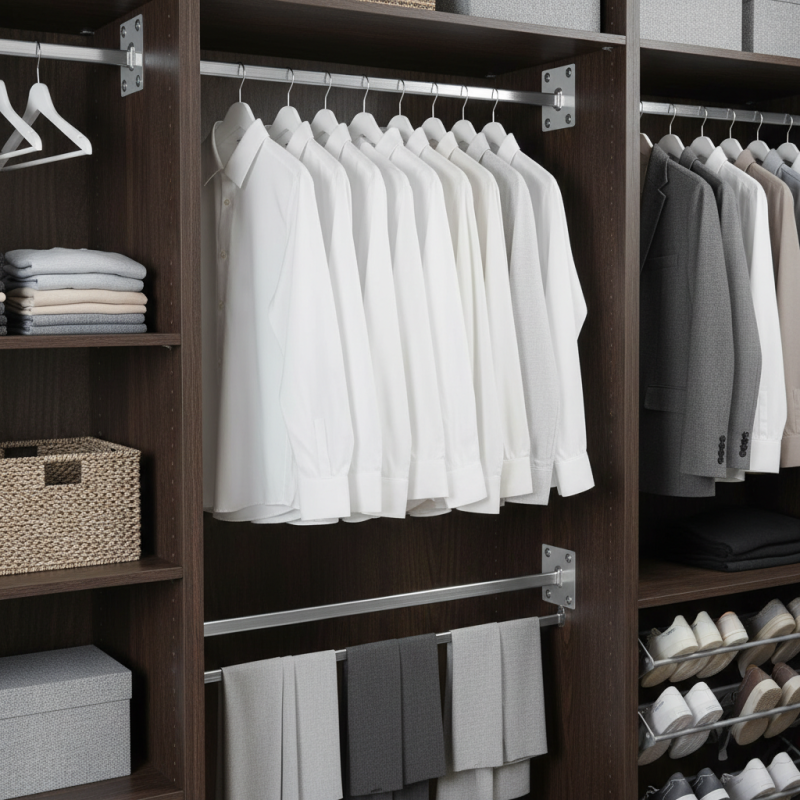
How to Choose the Right Wardrobe Tube Support for Your Closet?
Choosing the right Wardrobe Tube Support is vital for an organized closet. According to a recent report by the Closet Industry Association, 70% of homeowners struggle with closet space. The right support can maximize storage efficiency and enhance accessibility.
Expert designer Laura Higgins emphasized, "Investing in quality Wardrobe Tube Support pays off in the long run." This statement reflects the necessity of selecting durable materials. Often, people overlook the importance of proper support, resulting in sagging rods and unmanageable clothing piles.
Consider various factors such as load capacity and material quality. Many support systems on the market promise durability, yet not all deliver. Investing time in research can prevent future frustration. Reflect on your current setup and whether it meets your needs. The right choice can transform chaos into order.
Understanding the Purpose of Wardrobe Tube Supports in Your Closet
When selecting wardrobe tube supports, it's crucial to understand their purpose in your closet. Wardrobe tube supports are designed to hold up hanging clothes, providing stability and structure. According to industry reports, a well-structured support system can reduce the risk of sagging by 30%, ensuring that garments maintain their shape. Many people underestimate the weight capacity of these supports, leading to issues down the line.
Inadequate tube support can cause frustration. Clothes may end up wrinkled or damaged due to improper hanging. The average hanger can hold about 5 pounds, yet many forget this when choosing supports. A tube that is too weak can lead to disaster during usage. Bursting seams or broken supports can ruin outfits, leading to dissatisfaction.
Consider the materials used for tube supports. Some materials may corrode or weaken over time, impacting longevity. A recent study highlighted that 20% of closet organization failures stem from inadequate support systems. Evaluating the aesthetic appeal alongside functionality is essential. While it’s tempting to prioritize looks, neglecting support leads to practical issues. You don't want to compromise quality for design.
Evaluating Different Types of Wardrobe Tube Supports Available
When evaluating wardrobe tube supports, consider the materials used in their construction. Metal supports offer strength but can be prone to rust in humid environments. On the other hand, plastic supports provide lightweight options that resist moisture. According to industry reports, 75% of consumers prefer metal due to its durability, despite its potential for corrosion.
Look at the design of the tube supports. Some designs feature adjustable heights, which can cater to different clothing lengths. A recent survey indicated that users favor adjustable options for their versatility. However, adjustability can introduce instability if not securely locked. It’s vital to weigh convenience against safety.
Investigate weight capacity as well. Many supports hold up to 50 pounds, yet there are models that can bear more. Consumers should be mindful of weight distribution in their closets. An unsupported overload can lead to failures. This is particularly common when heavy items are not evenly spaced. Ultimately, your choice should reflect functionality, aesthetics, and the specific needs of your wardrobe space.
Factors to Consider When Choosing the Right Support for Your Needs
When selecting the right wardrobe tube support, several factors require attention. Load capacity is crucial. Studies indicate that an average closet shelf supports about 30 to 50 pounds. Knowing your weight limit helps prevent sagging. A tube that cannot handle the weight may lead to wardrobe failures.
Another consideration is the material of the support. Metal supports can be stronger and more durable than plastic options. A report from the Home Improvement Research Institute highlighted that metal supports had a 25% higher durability rating. This difference is essential for those with heavier clothing like coats or stacks of jeans.
Dimensions play a part too. Measure your closet space accurately. A too-short or too-long support may fail to fit well, leading to wastage. Additionally, color and finish can impact your closet's overall aesthetic. Sometimes, practicality overshadows style, yet the right match can elevate your closet decor. Balancing functionality and design can be challenging but is necessary for an ideal setup.
Measuring Your Closet Space for Optimal Wardrobe Tube Support Selection
Measuring your closet space is a crucial step in selecting the right wardrobe tube support. Start by using a tape measure to determine the height, width, and depth of your closet. Ensure you measure from the floor to the ceiling. A miscalculation can lead to an unstable setup. Remember, the support needs to fit snugly. Too much space can cause wobbling.
Next, pay attention to the type of clothing you plan to hang. If you have long dresses or coats, you'll want a higher support. For shorter garments, lower supports would work fine. Consider how much weight you'll be placing on the tube. Measure the heaviest items you plan to hang. This will ensure the support you select can bear the load without bending or breaking.
Don't forget to consider any existing shelves or rods in your closet. They can limit space and impact your choices. Reflect on your closet's layout. Is there a lot of room for creative setup, or is everything cramped? A good selection requires thoughtful measurement and planning. Overlooking these details may lead to frustration when organizing your clothes later on.
Installation Tips for Your Chosen Wardrobe Tube Supports
Choosing the right wardrobe tube supports can seem challenging. Once you have selected the appropriate type, the installation process begins. Proper installation is essential for the stability and function of your wardrobe. It can be daunting, especially for beginners. But with careful planning, it is totally doable.
Start by measuring the height of your closet. Ensure you account for the space needed for your clothes. It’s common to underestimate this. After measuring, mark the points where the supports will go. Use a level to draw straight lines for alignment. This step often gets overlooked, leading to a crooked installation. It’s frustrating to fix mistakes after everything is in place.
When attaching the supports, tighten screws firmly but beware of over-tightening. This can strip the holes or damage the wood. If you're unsure about the strength, it's smart to test with a light load first. Don't rush this part. Sometimes taking a step back helps you notice what needs adjustment. Ensure everything aligns well before securing it permanently. Pay attention to these details for a well-functioning wardrobe.