Why Choose the Right Water Pump for Your Needs?
Selecting the appropriate Water Pump can significantly impact efficiency and operations across various industries. According to the global pump market report by MarketsandMarkets, the water pump segment is expected to reach $80.2 billion by 2026, driven by increasing demand for efficient water management systems. The right water pump not only ensures adequate flow rates but also maximizes energy savings.
In construction and agriculture, for instance, understanding specific water needs can prevent overspending and resource wastage. Studies show that inefficient pumps can consume up to 30% more energy than necessary. This not only increases operational costs but also raises environmental concerns. A well-chosen water pump helps mitigate these issues, delivering reliable performance while promoting sustainability.
However, many overlook critical factors when selecting a water pump. Misjudging the required capacity or neglecting maintenance schedules can lead to equipment failure. Such oversights remind us of the need for careful evaluation and expertise in this selection process. As water management becomes increasingly vital, the importance of choosing the right water pump cannot be overstated.
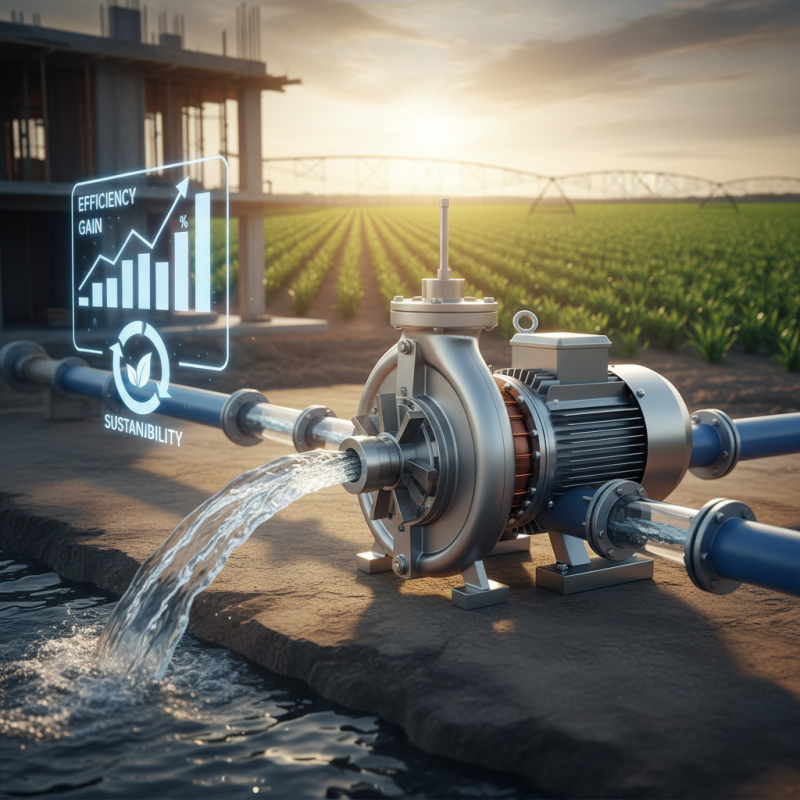
Understanding the Different Types of Water Pumps Available
When selecting a water pump, understanding the different types available is crucial. There are several categories of water pumps, each designed for specific tasks. Centrifugal pumps are common in many applications, using rotational energy to move water efficiently. They work well for large volumes and are easy to maintain. However, they may struggle with high-viscosity fluids or large solids.
Another option is positive displacement pumps. These are ideal for transferring viscous liquids or when precise flow control is necessary. They operate by trapping a fixed amount of liquid and forcing it through the discharge. However, their maintenance can be more complex. Not every pump works for every situation; knowing your specific needs is vital.
Submersible pumps are designed to operate underwater. They are perfect for draining, sewage management, or irrigation. While they offer great efficiency, installation can be tricky. A poorly installed pump can lead to damage or inefficiency. Always consider the environment in which the pump will operate. Each type has its pros and cons. Understanding these factors will facilitate a better decision in selecting the right water pump.
Factors to Consider When Choosing a Water Pump
Choosing the right water pump is crucial for various applications. First, consider the flow rate. How much water do you need to move? This will determine the pump size. A pump with inadequate flow may result in prolonged tasks. On the other hand, an oversized pump can waste energy.
Next, assess the type of water you'll be pumping. Are you dealing with clean water, or is it dirty? Submersible pumps work well for clean water. Muddy or solid-laden water requires a different pump type. The material of the pump matters too.
Lastly, don’t overlook energy efficiency. An inefficient pump may lead to higher costs over time. Reflect on your usage patterns. Will you need the pump frequently? If so, investing in a reliable, energy-efficient model pays off. However, ensure to balance cost with performance. Making informed decisions is essential to avoid future frustrations.
Assessing Your Water Supply Needs and Pump Capacity
When considering the right water pump, understanding your water supply needs is vital. Assessing the required flow rate is the first step. For example, a family of four may need approximately 50 gallons per day for daily activities, like cooking and bathing. This translates to about 0.035 gallons per minute over 24 hours. Many households thus require a pump that can efficiently handle this continuous flow.
Pump capacity also plays a critical role. Research indicates that selecting a pump with a capacity exceeding your needs can lead to inefficiencies. A study by the Hydraulic Institute found that over 30% of commercial pumps operate below their optimal efficiency. This underlines the importance of matching your pump's capacity to your actual usage patterns. A pump that is too large can waste energy and increase operational costs over time.
It's not just about capacity, though. Consider the distance from the water source. More distance means a higher static head, shifting your system's requirements. According to the U.S. Department of Energy, an increase in head can reduce a pump's efficiency by more than 20%. Therefore, evaluate your specific needs carefully to ensure a reliable and cost-effective water supply system.
Evaluating Efficiency and Energy Consumption of Water Pumps
When evaluating water pumps, efficiency and energy consumption stand out as critical factors. An effective pump can dramatically lower utility costs. Recent studies show that a well-chosen pump can save up to 30% on energy costs compared to less efficient models. This statistic emphasizes the importance of selecting the right pump based on specific requirements and usage patterns.
Energy efficiency is measured through the pump’s performance ratings, often denoted as pump efficiency percentage. A pump operating at 70% efficiency converts only 70% of input energy into useful work. The remaining energy is lost to heat, contributing to unnecessary costs. Understanding these metrics is essential for optimizing operational budgets and improving overall system performance.
Selecting the correct pump also involves considering different operating conditions. Ambient temperature, fluid viscosity, and flow requirements impact pump efficiency. For example, a pump designed for high-viscosity fluids may not perform well in standard applications. This mismatch can lead to increased wear and tear, ultimately reducing the lifespan of the pump. Hence, it's crucial to reflect on both immediate needs and long-term impacts when choosing a water pump.
Maintenance Tips for Ensuring Optimal Pump Performance
Maintaining a water pump is crucial for optimal performance and longevity. Regular maintenance checks can prevent unexpected breakdowns. Understanding your pump type is essential. You’ll need different care for submersible pumps compared to centrifugal ones.
Here are some maintenance tips. Regularly inspect the motor for overheating. Listen for unusual noises during operation. Ensure that all seals are tight to prevent leaks. Clean the filters frequently to avoid clogging. If you notice a drop in pressure, it may need servicing.
Keep an eye on the fluid levels, too. Low fluid can strain the pump and lead to damage. Periodically check the electrical connections for corrosion. This can affect the pump's efficiency. It’s easy to overlook these details, but neglecting them could lead to costly repairs. Regular maintenance is not just about fixing issues; it’s about preventing them from happening.
Why Choose the Right Water Pump for Your Needs? - Maintenance Tips for Ensuring Optimal Pump Performance
| Pump Type | Flow Rate (GPM) | Power Rating (HP) | Efficiency (%) | Maintenance Frequency (Months) |
| Submersible Pump | 20 | 1 | 85 | 6 |
| Centrifugal Pump | 40 | 2 | 90 | 12 |
| Diaphragm Pump | 10 | 0.5 | 75 | 8 |
| Positive Displacement Pump | 15 | 1.5 | 80 | 10 |