
MON - FRI 8AM - 5PM

How to Choose the Best Septic Tank Cleaner?

Choosing the best septic tank cleaner requires more than comparing labels, prices, or promises of “instant treatment.” A septic system is a living treatment unit beneath the soil, not a household drain. The U.S. Environmental Protection Agency reports that more than 21 million American households rely on septic systems. Its SepticSmart guidance also recommends professional inspections about every three years and pumping when needed, often every three to five years. These figures show why cleaner selection should support maintenance, not replace it.

A suitable septic tank cleaner should match the system’s condition, tank size, and wastewater habits. Look for clear ingredient disclosure, septic-safe claims, and directions that explain dosage. Avoid products that contain harsh disinfectants, solvents, or vague “miracle” language. EPA guidance notes that septic additives are generally unnecessary, and some may damage system performance. University extension specialists similarly emphasize water conservation, careful waste disposal, and scheduled pumping over routine additive use. A bottle cannot repair a cracked baffle, blocked outlet, or saturated drainfield.

The most practical choice is often the least dramatic one. Choose a product designed for septic systems, use only the stated amount, and watch for slow drains, sewage odors, or unusually wet grass. Those signs may indicate a mechanical problem rather than a cleaning problem. There is no perfect bottle. A responsible comparison must admit that evidence for many biological additives remains limited. This guide will examine ingredients, safety, performance claims, and long-term value, helping homeowners choose a septic tank cleaner without confusing marketing confidence with technical reliability.
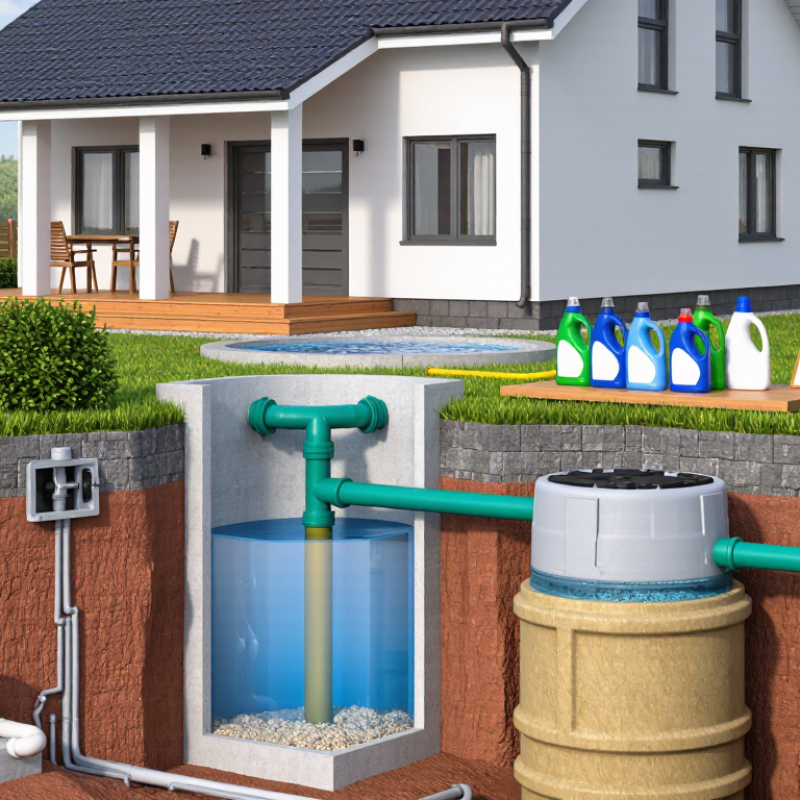
How to Choose the Best Septic Tank Cleaner?

What a Septic Tank Cleaner Does and When It Is Needed

How to Choose the Best Septic Tank Cleaner?

What a Septic Tank Cleaner Does and When It Is Needed

A septic tank cleaner usually refers to a biological treatment or a professional pumping service. Biological products may contain bacteria or enzymes that help break down some organic waste. They do not remove settled sludge, repair damaged pipes, or clear serious blockages. A tank with thick sludge still needs pumping by a qualified professional.

The right choice depends on the problem. Slow drains, sewage odors, or unusually wet ground near the drain field can signal trouble. These signs should not be covered with a treatment product. A technician should inspect the tank, baffles, inlet pipe, and drain field. Routine pumping is often needed every three to five years, but household size and water use can change that schedule. In my experience, waiting for a bad smell is already too late. Still, inspection records can be incomplete, so the schedule deserves review.

Tips: Check the product’s ingredient information and usage directions. Avoid cleaners marketed as instant cures. Never pour harsh chemicals, grease, wipes, or paint into household drains. Keep a simple service record with pumping dates, tank size, and observed problems. If toilets gurgle or wastewater backs up, reduce water use immediately. Contact a licensed septic professional rather than testing several treatments at once. A cleaner can support normal maintenance, but it cannot replace sound system care.

How to Assess Your Septic System’s Cleaning Requirements

How to Choose the Best Septic Tank Cleaner?

Assessing your septic system starts with its history, not a product label. Check the installation date, tank size, household occupancy, and last pumping record. A tank serving six people needs closer attention than one serving two. Keep these details in one folder.

Watch for slow drains, sewage odors, wet patches, or unusually green grass near the drainfield. These signs may indicate a full tank, blocked pipes, or poor soil absorption. Do not assume a biological cleaner will correct every problem. It may not.

A qualified septic professional should inspect the tank, inlet, outlet, baffles, and distribution box. They can measure sludge and scum layers with proper equipment. Many systems need pumping when solids occupy about one-third of the liquid depth, although site conditions vary. Local guidance should influence the schedule.

The details matter.

A busy home, garbage disposal, high water use, or older drainfield can change cleaning needs. Spread laundry across the week, repair leaking toilets, and avoid flushing wipes or harsh chemicals. These habits reduce strain but cannot replace inspection. No checklist is perfect. I would rather question an easy recommendation than ignore a faint sewage smell. Choose a cleaner only after identifying the actual maintenance problem.

How to Choose the Best Septic Tank Cleaner? - How to Assess Your Septic System’s Cleaning Requirements

Assessment Area What to Check What the Finding May Mean Recommended Action Priority
Time since last pumping Review maintenance records and household occupancy. Many systems require pumping approximately every 3–5 years, but the correct interval depends on tank size, wastewater volume, and solids accumulation. A long or unknown interval can increase the risk of solids entering the drainfield. Arrange a professional inspection and measure sludge and scum levels. Do not rely on additives as a substitute for pumping. High
Slow drains or repeated backups Check whether several fixtures drain slowly or whether wastewater is backing up into sinks, tubs, or toilets. The cause may be a blocked building sewer, a full tank, a damaged outlet baffle, or a failing drainfield. Stop using excess water and contact a qualified septic professional. Avoid caustic drain cleaners, which can harm plumbing and soil biology. Urgent
Odors near the tank or drainfield Look for persistent sewage odors indoors or outdoors, especially around access covers, inspection ports, and the drainfield. Possible causes include a full tank, damaged covers, blocked ventilation, leaks, or drainfield stress. Have the system inspected. Do not attempt to open or enter the tank; septic gases can be toxic and oxygen-deficient. Urgent
Wet or unusually green drainfield area Inspect the drainfield for standing water, soggy soil, sewage odors, or vegetation that is much greener than surrounding areas. The drainfield may be overloaded, hydraulically saturated, or receiving excessive solids. Reduce water use and arrange a professional evaluation. A tank cleaner or additive cannot repair a failing drainfield. Urgent
Sludge and scum levels Ask a trained professional to inspect the tank and measure the sludge and floating scum layers. Excessive solids reduce settling capacity and may allow solids to flow into the drainfield. Schedule pumping when measurements reach the limits specified by local regulations or the system professional. High
Household water usage Consider the number of occupants, laundry frequency, leaking fixtures, and use of high-flow appliances. Excessive inflow can flush solids out of the tank and overload the drainfield. Repair leaks, spread laundry throughout the week, install water-efficient fixtures, and avoid large simultaneous discharges. Routine
Products entering the system Review use of bleach, disinfectants, solvents, paint, pesticides, grease, wipes, and antibacterial chemicals. Large quantities of toxic or non-degradable materials can disrupt treatment and cause blockages. Dispose of hazardous materials through approved waste programs. Flush only wastewater and toilet paper. Routine
Need for a chemical or biological additive Check whether the product claims to dissolve solids, remove odors, or replace pumping and inspection. Routine additives are generally unnecessary in a normally used septic system and do not remove accumulated sludge reliably. Prioritize inspection, proper water use, and scheduled pumping. Use any treatment product only if recommended by a qualified professional and permitted locally. Usually not needed
Tank access and safety Confirm that access covers are secure, visible, and strong enough to prevent falls or unauthorized entry. Damaged or hidden access points increase inspection and safety risks. Keep covers secured and have damaged components repaired by a qualified professional. Never enter a septic tank. Safety-critical
Local requirements and system age Review local regulations, permit records, tank type, drainfield design, and the system’s installation or repair history. Older or nonstandard systems may need more frequent inspections or specialized maintenance. Follow local health or environmental authority requirements and keep a written maintenance log. Routine
Key selection principle: The most appropriate septic tank “cleaner” is usually professional inspection and pumping when needed—not a chemical product. Choose service based on measured sludge and scum levels, system symptoms, household water use, and local requirements.

Which Cleaner Ingredients Are Safe for Septic Systems

Choosing a septic tank cleaner starts with its ingredient list, not its label claims. The U.S. Environmental Protection Agency estimates that about 20% of U.S. households use septic systems. These systems depend on living microorganisms to break down waste. Harsh chemicals can disturb that biological process.

Look for mild, readily biodegradable surfactants and limited-use oxygen-based cleaners, such as sodium percarbonate. Enzyme or bacterial additives sound useful, but EPA septic guidance says they are usually unnecessary. Independent evidence also remains inconsistent. More bacteria is not automatically better.

Avoid chlorine-heavy formulas, quaternary ammonium compounds, phenolic disinfectants, petroleum solvents, and caustic drain openers. They may harm treatment microbes or pass into the drain field.

Read the full ingredient disclosure. “Septic-safe” is not a universal performance standard, and marketing language can be vague. The National Small Flows Clearinghouse advises reducing chemical overuse and maintaining systems through regular inspection and pumping.

EPA guidance commonly recommends inspection at least every three years, although household size and tank conditions change that schedule. I would use the smallest effective amount, even with a mild cleaner. That feels overly cautious, perhaps.

Still, a clean label cannot repair a neglected tank, blocked pipe, or saturated drain field.

Never mix cleaners. Keep concentrated products away from sinks and toilets, where one careless pour can create a severe chemical shock.

How to Compare Product Performance, Safety, and Cost

Choosing the best septic tank cleaner requires more than comparing bottle prices. Performance should be measured against clear targets: odor control, solids breakdown, and compatibility with household wastewater. The U.S. EPA’s SepticSmart materials report that more than 21 million U.S. households use septic systems. That scale makes reliable evidence important. Look for independent field results, dosage instructions, and test conditions. A dramatic laboratory claim may not represent a tank with cold water, grease, or irregular pumping.

Safety deserves equal weight. The EPA’s Decentralized Wastewater Treatment Systems Manual identifies solids buildup and hydraulic overloading as major failure pressures. A cleaner cannot replace pumping or repair. Avoid products containing harsh solvents or aggressive disinfectants, especially when labels provide no septic-specific safety data. Check whether the formula may disturb biological treatment. I prefer transparent ingredient information and clear emergency guidance. Still, “natural” does not automatically mean harmless.

Cost comparisons should use cost per treatment, not shelf price. Divide the purchase price by the number of recommended applications, then include shipping and required maintenance. The U.S. EPA recommends regular inspections and pumping based on tank size, household size, and solids levels. That guidance is more useful than a fixed promise of yearly cleaning.

I would also question products claiming to eliminate pumping completely. That sounds convenient, but it conflicts with practical maintenance experience. A cheaper cleaner is not economical if odors return, pipes clog, or a technician finds increased sludge.

How to Use Septic Tank Cleaner Responsibly and Effectively

When choosing a septic tank cleaner, start with the system, not the advertisement. Read the product label carefully. It should clearly state that it is intended for septic systems. Avoid formulas containing harsh solvents, strong acids, or disinfectants that may disrupt natural biological activity. Look for clear dosage instructions and safety warnings. Vague promises deserve caution.

Use only the recommended amount. More cleaner does not mean better cleaning. I once assumed extra product would improve results, but that approach can create unnecessary chemical stress. Never mix different cleaners. Pour the measured dose into a toilet or drain, then flush with plenty of water if the label instructs you to do so. Keep the container away from children, pets, food, and direct heat. Wear gloves when handling concentrated liquid.

A cleaner cannot repair a blocked pipe or an overloaded tank. Reduce grease, wipes, and non-degradable waste entering the system. Watch for slow drains, sewage odors, wet patches, or unusually green grass near the tank. These signs may require a qualified septic professional, not another dose of cleaner. Maintain a pumping schedule suited to your household size and tank capacity. Local soil, weather, and regulations can change the right maintenance plan. Product instructions are useful, but they are not a substitute for a tank inspection.

Request a Quote

To learn more about any of the products and services provided by Abbott Ball Company, Inc., simply complete the form below.