How to Choose the Right Solar Panel Roof Mount System?
Choosing the right solar panel roof mount is crucial for maximizing solar energy efficiency. A proper mounting system ensures stability and longevity of your installation. With various options available, it's important to consider factors like roof type, installation location, and environmental conditions.
Different mounting systems offer unique advantages. For instance, fixed mounts are straightforward but may limit optimal angles. Adjustable mounts provide flexibility but require more planning. Each option has its pros and cons, leading to uncertainty for homeowners. Researching these differences helps in making an informed choice.
Quality matters when selecting a solar panel roof mount. Look for reputable brands that offer warranties and have a track record of reliability. Seek expert opinions and user reviews to gauge performance over time. Understanding your specific needs and conditions is key to achieving the best solar energy outcomes.
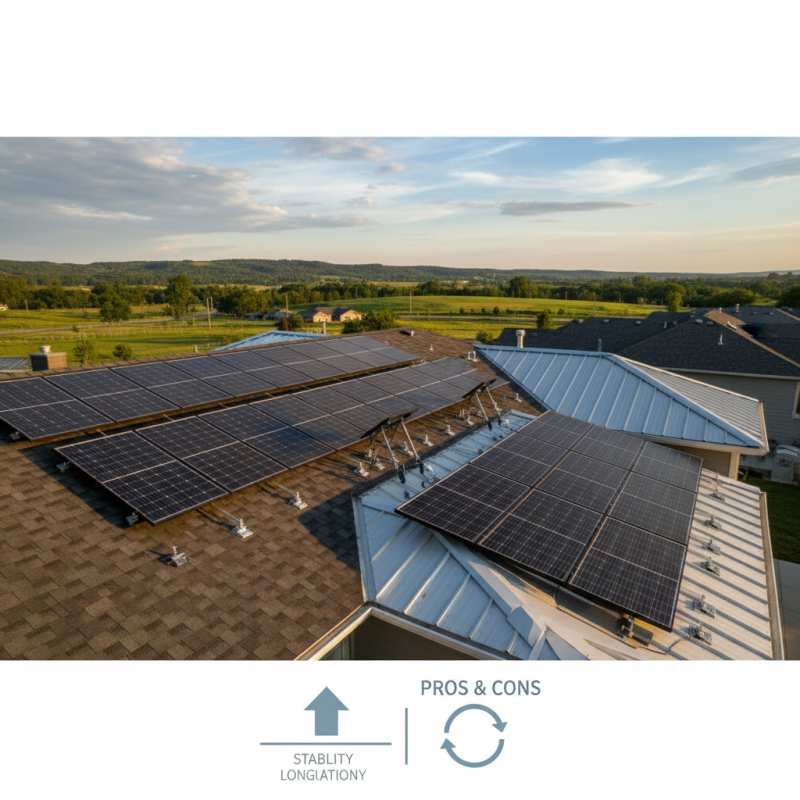
Understanding Solar Panel Roof Mount Types and Their Applications
When choosing a solar panel roof mount system, understanding the different types is crucial. Roof mounts vary widely, each with its unique applications. For instance, fixed mounts are popular for their simplicity. They hold panels at a specific angle, optimizing sunlight capture. However, their static nature can be a drawback. A roof’s angle might not be ideal throughout the year, impacting energy production.
Another option is tracking mounts. These systems follow the sun’s path, increasing efficiency. Yet, they require more maintenance and can be costlier upfront. Homeowners often overlook installation factors too. Roof type and condition play a significant role. An imperfect roof may necessitate additional reinforcements. This can complicate the mounting process.
In addition, consider the impact of local weather conditions. Areas with high winds may need more robust systems, while those in sunny climates benefit from efficient fixed mounts. Evaluating your specific needs is essential. Not all systems suit every roof. It’s useful to consult with an expert before making a decision. They can guide you through the complexities. Remember, what works for one home may not work for another. It's a learning experience as you navigate this journey.
Evaluating Roof Structure: Factors Influencing Mount System Choice
When evaluating roof structure, specific factors play a critical role in choosing the appropriate solar panel roof mount system. The type of roof can greatly influence mounting options. For instance, flat roofs often require different constraints compared to sloped roofs. A study by the National Renewable Energy Laboratory highlights that approximately 25% of residential rooftops are flat, necessitating adjustable mounts for optimal sunlight capture.
The material of the roof also impacts choices. Asphalt shingles, metal, and tile roofs all present unique challenges and opportunities for mounting. Research indicates that well-anchored mounts on metal roofs can enhance system efficiency by reducing the likelihood of wind damage. Additionally, roof age and structural integrity are crucial. A report from the International Code Council recommends a thorough inspection to assess whether a roof can support the load of solar panels.
Ventilation and shading are additional considerations. Inadequate ventilation may lead to heat buildup, affecting both the roof and the solar system’s performance. Shading from nearby trees or structures can reduce energy generation potential by up to 80%, as noted by the Solar Energy Industries Association. These insights emphasize the importance of thoughtful evaluation of roof characteristics when selecting a solar mount system.
How to Choose the Right Solar Panel Roof Mount System? - Evaluating Roof Structure: Factors Influencing Mount System Choice
| Roof Type | Load Capacity (lbs/sq ft) | Mounting System Recommended | Installation Difficulty |
| Asphalt Shingle | 40 | Ground-mounted or Flush-mounted | Easy |
| Metal Roof | 50 | Clamping System | Moderate |
| Tile Roof | 30 | Tile Roof Mount | Difficult |
| Flat Roof | 25 | Ballasted Mounting System | Moderate |
| Slate Roof | 35 | Hybrid Mount System | Difficult |
Assessing Climate and Environmental Conditions for Optimal Performance
When choosing a solar panel roof mount system, it's essential to assess climate and environmental conditions. Research shows that solar panel efficiency can drop by up to 20% in extreme heat conditions. Therefore, homeowners in hotter regions should consider reflective roof materials which can help cool the panels.
Rain and snow also play a significant role. Areas with heavy snowfall may require mounts that allow for snow to slide off easily. Data from the National Renewable Energy Laboratory indicates that snowy climates can reduce solar energy production by about 35% during winter months. Understanding local weather patterns helps in choosing the right system for optimal performance.
Moreover, wind can affect panel stability. Regions with frequent high winds need robust mounting systems to prevent damage. According to the American Society of Civil Engineers, installations should withstand winds exceeding 130 mph. Assessing these climate factors can greatly enhance your solar investment, ensuring reliability and efficiency. Adapting to local conditions isn’t always straightforward, leading to potential inefficiencies. Regular evaluations and adjustments are advisable for maintaining system performance.
Comparing Cost, Durability, and Efficiency of Mounting Systems
When selecting a solar panel roof mount system, it's essential to consider cost, durability, and efficiency. Each mounting type has unique attributes that can significantly impact your system's overall performance and longevity. A less durable mount may save money upfront but could lead to costly repairs in the long run.
Efficiency is crucial. Some mounting systems may not support the optimal angle for sunlight capture. Poor alignment can result in reduced energy production. Evaluating potential shading and wind resistance can help in making the right choice. Remember, assessing your roof's specific conditions will provide better insights into what will work best.
Tips: Consider the materials used in mounting systems. Some are made from aluminum, which is lightweight yet durable. Check reviews and case studies regarding performance under extreme weather. Look for systems backed by warranties to ensure reliability over time.
Maintenance Considerations for Long-Term Solar Panel Mounting Solutions
When considering a solar panel roof mount system, maintenance is a key factor in ensuring longevity and optimal performance. Regular inspections are essential to identify any potential issues, such as loose brackets or debris accumulation. These problems, if left unaddressed, can cause damage over time. A clean and well-maintained system runs more efficiently.
Tips for maintenance:
- Check the mounting brackets quarterly for any signs of wear.
- Clear debris such as leaves or snow to prevent blockage.
- Schedule an annual inspection with a certified professional.
Weather conditions can impact the durability of your system. High winds may loosen mounts, while heavy rainfall or snow can lead to corrosion. Monitoring these factors will help you take proactive measures. If you notice any rust or
unusual wear, it’s essential to address it immediately. Ignoring these signs can lead to
costly repairs later.
Consider documenting any changes noted during inspections. This record can be beneficial for future maintenance decisions. Observing patterns in wear can guide you toward necessary adjustments. Investing in a
high-quality solar panel mounting system initially pays off. However, regular maintenance ensures you maximize that investment effectively.