
MON - FRI 8AM - 5PM

How to Choose Insulated Combination Pliers for Your Needs

Choosing Insulated Combination Pliers is not just a matter of picking a familiar shape. The right pair should suit the work, the materials, and the user’s hand. A technician trimming wire in a crowded control cabinet may value a slim profile, while someone making repeated cuts may need comfortable handles and durable cutting edges. Small details matter. Check the jaw shape, pivot movement, grip texture, and whether the pliers can reach the intended connection without forcing an awkward wrist position.

Insulation and build quality deserve careful attention. Look for clear manufacturer information about the tool’s voltage rating and intended use, and confirm that its markings are genuine and readable. Insulated handles are designed to reduce electrical risk, but they do not make every task safe. De-energizing equipment whenever possible, following workplace procedures, and inspecting the tool before use remain essential. Look for cuts, cracks, loose handle material, corrosion, or damaged jaws. If anything seems questionable, stop and replace the tool. No guesswork.

Price alone can be misleading. A higher cost may reflect better materials or tighter manufacturing, but it is not proof of suitability. Compare specifications, warranty details, and guidance from reputable manufacturers. Then consider the actual work: wire size, frequency of use, access limitations, and comfort during repeated gripping. One point is easy to overlook: a tool that feels good for a minute may become tiring after an hour. Choosing well takes a little reflection. The goal is a dependable fit for the task, not the most impressive-looking pair on the shelf.
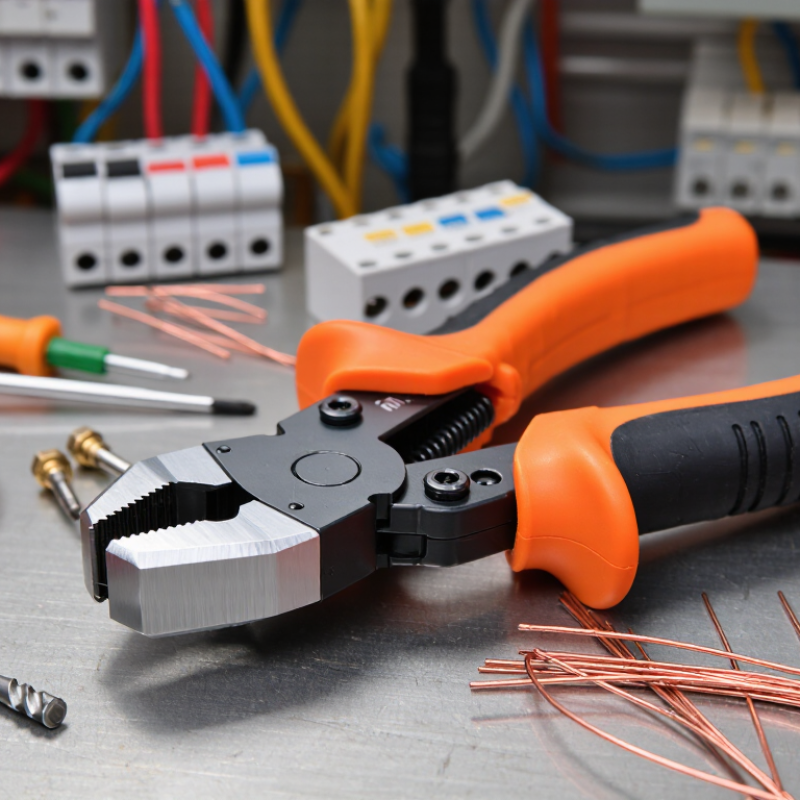
How to Choose Insulated Combination Pliers for Your Needs

What Insulated Combination Pliers Are and How They Work

Insulated combination pliers combine flat, serrated jaws for gripping and bending with a cutting edge near the pivot. The long handles add leverage; the insulated coating helps reduce electric-shock risk when tools are correctly selected and used. It is not a force field. IEC 60900:2018 specifies requirements for hand tools used on or near live parts up to 1,000 V AC and 1,500 V DC. Those limits describe the standard’s scope, not a guarantee against every hazard. The tool’s markings and condition matter.

A useful pair should feel balanced in the hand, close smoothly, and grip a small wire without slipping. Check for a clear voltage rating and applicable standard marking. Look closely at the insulation around the handles and guards: cuts, cracks, swelling, or exposed metal mean the tool needs to be removed from service. Even a tiny nick deserves attention. Follow workplace procedures, and never treat insulated pliers as permission to work on energized equipment. That distinction is easy to overlook.

Tips: Keep the handles clean and dry. Inspect them before use, especially after a drop. IEC 60900’s voltage figures are technical limits, not a substitute for training, risk assessment, or suitable protective equipment. A quick visual check helps, but it cannot reveal every defect.

Which Safety Ratings and Standards to Check

When choosing insulated combination pliers, check the standard and voltage marking on the tool, not just the color of its handles. IEC 60900 and ASTM F1505 are common references for insulated hand tools; requirements can vary by market. A clear 1000 V AC marking is useful, but it does not mean every task is safe to perform live. Follow your workplace procedures and use the correct protective equipment.

Inspect the pliers closely. The insulation should cover the handles without cuts, bubbles, cracks, or exposed metal near the grip. Look for legible manufacturer identification, standard references, and voltage ratings. If markings are missing, or the tool has been dropped hard, set it aside for assessment. Small defects can be easy to overlook. I have learned that a quick glance is not a proper inspection, especially after tools have rattled together in a crowded kit.

Tips: Before use, wipe the handles clean and check the joint for smooth movement. Keep insulated pliers separate from ordinary tools to reduce nicks and confusion. Do not guess. If the rating is unclear, choose a verified tool and ask a qualified safety professional.

How to Match Pliers to Your Tasks and Materials

Choose combination pliers by the material, wire size, and force your task requires. For copper conductors, check the tool’s stated cutting capacity and jaw dimensions; oversized wire can chip cutting edges. Serrated jaws grip firmly, but they can mark soft aluminum or delicate fittings. Use a different jaw style when surface damage matters. Fit matters. Handles should feel secure without forcing your wrist into a bent position, especially during repeated gripping or cutting.

For electrical work, verify the insulation markings and condition, not just the handle color. IEC 60900 covers insulated hand tools for work up to 1,000 V AC and 1,500 V DC; those ratings are not permission to work live without proper training and procedures. The U.S. Bureau of Labor Statistics reported 2.6 million nonfatal workplace injuries and illnesses in private industry in 2023, though its figures do not isolate plier-related incidents. A data gap worth remembering. Inspect insulation for cuts, cracks, or exposed material, and match the jaws to the conductor rather than forcing a near-fit. For hardened wire, use a cutter rated for it; combination pliers may not be the right tool.

How to Choose Insulated Combination Pliers for Your Needs — How to Match Pliers to Your Tasks and Materials
Task or Material Useful Pliers Features Selection Guidance What to Check Before Use
General electrical installation work Combination jaws with a gripping zone, cutting edges, and clearly marked insulated handles Choose a size that fits the work area and provides a comfortable, controlled grip. Insulation does not indicate cutting capacity. For work where electrical hazards may be present, select tools marked to the applicable standard, such as IEC 60900, and confirm the voltage rating.
Gripping copper wire or small components Textured, aligned gripping surfaces and a jaw profile suited to the component size Use jaws that hold the part securely without requiring excessive force. Avoid using pliers as a substitute for a correctly sized wrench on fasteners. Check that the jaws meet evenly and that the gripping surfaces are not worn, chipped, or contaminated with oil.
Cutting copper or aluminum conductors Dedicated cutting edges with a stated cutting capacity for the conductor type and size Match the tool’s published capacity to the conductor material and diameter. Do not assume that a plier rated for copper can cut steel or hardened wire. Confirm the manufacturer’s capacity information; inspect the cutting edges for gaps, chips, or visible damage.
Work in confined electrical enclosures Compact head and handle length appropriate to the available clearance Balance access with leverage: shorter tools may fit tight spaces but can provide less leverage and hand clearance. Make sure the insulated handles do not obstruct nearby components and that the tool can be positioned without twisting or overreaching.
Repetitive gripping and cutting Ergonomic handle shape, smooth joint movement, and a size suited to the user’s hand Choose a tool that opens and closes comfortably. A well-fitted handle can help reduce hand fatigue during repeated tasks. Check that the pivot moves smoothly and that the handles remain firmly attached and free from cracks or cuts.
Work near energized electrical equipment Insulation designed and tested for the applicable electrical rating Use only a tool with a suitable, legible voltage marking and certification for the intended application. Insulated pliers alone do not make energized work safe. Inspect the entire insulated surface before each use. Follow workplace procedures, use appropriate protective equipment, and de-energize whenever possible.
Mixed workshop tasks involving harder wire or metal Cutting edges specifically rated for the material, or a separate purpose-built cutter Combination pliers are general-purpose tools; choose a dedicated cutter when the material or cutting load exceeds the stated capacity. Never use the tool on hardened wire, nails, or other tough materials unless its specifications explicitly permit it.

Safety note: Insulated tools are intended to reduce the risk of electric shock when used correctly, but they do not replace de-energizing circuits, verifying absence of voltage, or following applicable electrical safety procedures.

How to Choose the Right Size, Grip, and Jaw Design

Choose plier length by the space around the work, not hand size alone. A compact pair turns easily in a crowded panel, while longer handles can offer more leverage on larger fasteners. Check that your fingers clear the joint and that the handles open fully without forcing your wrist sideways. Fit varies. A catalog chart cannot account for every hand or task, so test the motion with the tool unpowered before relying on it.

The grip should feel secure with a relaxed hand, even when gloves are worn. Look for handles that resist slipping and do not press sharply into the palm; bulky grips can be awkward in tight spaces. Match the jaw to the job: broad, serrated jaws suit general gripping, while a narrower nose reaches confined areas but may hold bulky parts less steadily. Combination pliers also include cutters, so check their position and capacity against the wire sizes you actually handle. IEC 60900:2018 covers insulated tools for work up to 1,000 V AC and 1,500 V DC. Treat that as a tool specification, not a substitute for safe work procedures or inspection. Insulation can be damaged. A quick visual check may miss it.

How to Choose Insulated Combination Pliers

Compare common nominal tool lengths to find a balance between access and leverage.

How to use this guide: A 160 mm tool can suit tighter spaces; 180 mm is a versatile general-purpose option; and 200 mm can offer more leverage where space allows. Actual dimensions vary by model. For grip and jaw design, look for comfortable handles and jaws suited to the wire and fasteners you handle. Always check the tool’s insulation rating and condition before electrical work.

How to Inspect and Maintain Insulated Combination Pliers

How to Choose Insulated Combination Pliers for Your Needs

Inspect insulated combination pliers before every use, under bright light. Wipe the handles clean and dry, then look for cuts, cracks, swelling, exposed metal, or loose insulation near the guards. Check that the jaws meet evenly and the pivot moves smoothly. Small defects are easy to miss. IEC 60900:2018 covers insulated hand tools for work up to 1,000 V AC and 1,500 V DC; confirm the tool’s markings and rating match the task. A rating is not permission to work carelessly around electricity.

The U.S. Bureau of Labor Statistics’ Census of Fatal Occupational Injuries recorded 145 fatal work injuries involving exposure to electricity in 2022. That figure is a sobering reminder, not proof that tool checks alone prevent accidents. Remove damaged pliers from service; do not patch insulation with tape. Clean them with a mild method permitted by the manufacturer, and store them away from sharp edges, heat, and damp toolboxes. Recheck after a drop or unusually hard use. Even a careful visual inspection cannot reveal every internal defect, so follow workplace procedures and replace tools when their condition is uncertain.

Request a Quote

To learn more about any of the products and services provided by Abbott Ball Company, Inc., simply complete the form below.