How to Choose Flat Steel for Your Global Sourcing Needs?
In today's global market, the demand for flat steel is rapidly rising. According to a recent report by Steel Market Intelligence, the flat steel market is projected to grow at a CAGR of 4.2% from 2023 to 2028. This trend reflects the increasing need for flat steel in various sectors such as construction, automotive, and manufacturing. With the right approach, sourcing flat steel can significantly impact your production capabilities.
When considering flat steel suppliers, buyers should evaluate several key factors. Quality assurance is paramount. A 2022 industry survey revealed that over 30% of companies reported challenges with inconsistent steel quality. This inconsistency can lead to defects and costly delays in production. Additionally, geographic location and supply chain reliability are critical for timely delivery.
Organizations must remain mindful of various sourcing challenges. Fluctuations in pricing and disruptions in supply chains can affect profitability. It is essential to conduct thorough market research and build strong relationships with suppliers to mitigate these risks. By focusing on quality, delivery, and strategic partnerships, businesses can successfully navigate their global sourcing needs for flat steel.
Understanding Flat Steel Types and Grades for Sourcing
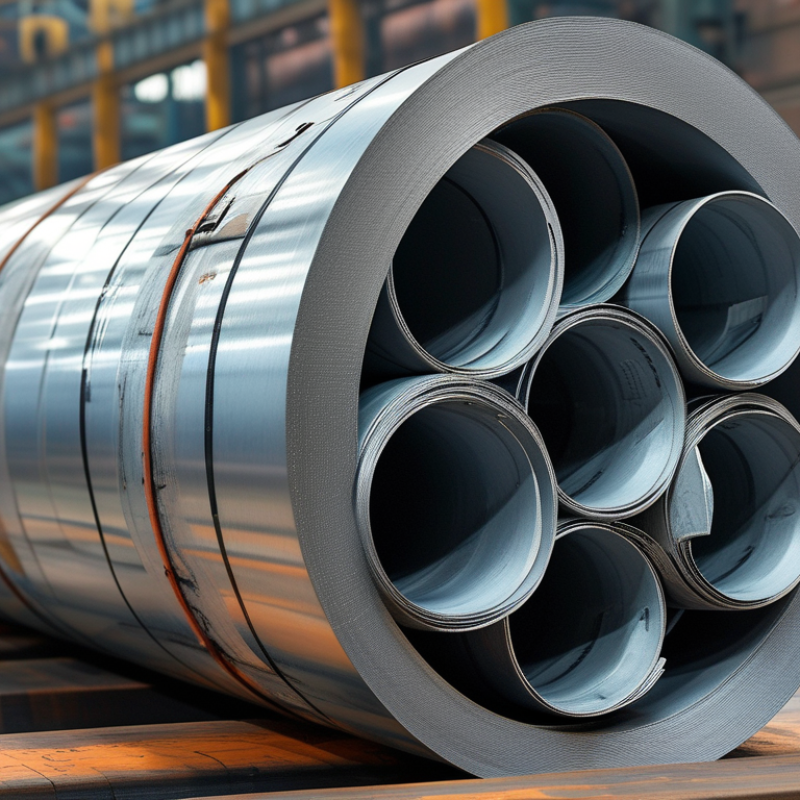
When choosing flat steel for global sourcing, understanding the types and grades is crucial. Flat steel comes in various forms, including hot-rolled and cold-rolled plates, sheets, and strips. Each type serves different industrial needs. According to market surveys, the global flat steel market is projected to reach $400 billion by 2025. This growth highlights the importance of selecting the right grade and type for specific applications.
Flat steel grades are categorized by their chemical composition and mechanical properties. For example, S235, S275, and S355 grades are widely used for construction projects. These grades offer varying strengths and elongation characteristics, affecting their performance in different environments. Data suggests that using higher-grade steel can result in a 10-15% increase in structural efficiency. However, sourcing higher-grade materials may also lead to higher costs, which must be justified by the project's longevity and safety requirements.
It's essential to evaluate supplier capabilities and certifications. Many suppliers claim to meet international standards like ASTM or EN. However, discrepancies may exist in execution and quality control. Organizations often face challenges in verifying these claims, leading to potential pitfalls. Regular audits and compliance checks can mitigate risks but may add complexities to the sourcing process. Understanding these factors is vital for making informed decisions in flat steel procurement.
Evaluating the Quality Standards in Flat Steel Production
When choosing flat steel for global sourcing, quality standards are crucial. Different countries have varying standards in steel production. These differences can impact your final product's strength, durability, and usability. Understanding these standards will help you make informed decisions.
Evaluate specifications like ASTM, ISO, and EN. These organizations set benchmark criteria for quality and safety. For instance, ASTM A36 is often used for structural steel applications. Being knowledgeable in these standards ensures you are sourcing quality flat steel that meets your needs.
Do not overlook the manufacturing process. The method influences the steel's properties. Elements such as chemical composition, tempering, and coating are significant. A lack of transparency in production can lead to inferior products. Reflect on how these factors align with your sourcing goals. Be prepared to ask suppliers about their quality assurance processes. Engaging with credible suppliers will enhance your sourcing reliability.
How to Choose Flat Steel for Your Global Sourcing Needs? - Evaluating the Quality Standards in Flat Steel Production
| Quality Standard | Description | Common Applications | Country of Origin |
| ASTM A572 | High strength low alloy structural steel. | Bridges, buildings, and heavy construction. | USA |
| EN 10025 | European standard for hot-rolled structural steel. | General construction and structural components. | Europe |
| JIS G3101 | Japanese standard for structural carbon steel. | Buildings, bridges, and machinery parts. | Japan |
| GB 709-88 | Chinese standard for hot-rolled steel plates. | Manufacturing, construction, and automotive. | China |
Assessing Global Suppliers: Key Factors to Consider
When selecting flat steel for global sourcing, evaluating suppliers is crucial. One key factor is quality assurance. Look for suppliers with certifications that demonstrate adherence to international standards. Testing materials for durability and resistance is essential. Poor-quality steel can lead to significant financial losses and project delays.
Another important factor is the supplier's reliability. Delays in delivery can disrupt your entire supply chain. Check their track record for on-time deliveries. Communication is also vital. A responsive supplier can address issues swiftly. This reliability can often become a deciding factor in your choice.
Pricing should not be the only consideration. It can be tempting to opt for the cheapest option, but this can have hidden costs. Different suppliers offer various basic and supplementary services. Assess whether the total value aligns with your project needs. Evaluate their capacity to handle your volume requirements, as this can vary significantly among suppliers.
Logistics and Shipping Considerations for Flat Steel Sourcing
Logistics and shipping are critical aspects of sourcing flat steel globally. When looking for suppliers, consider the delivery timelines. Delays can lead to project setbacks and increased costs. Researching shipping routes can help you avoid common pitfalls. Some regions may have unreliable transport networks, affecting your schedule. Understand the local infrastructure before making a commitment.
Customs regulations also play a significant role in international logistics. Each country has different import regulations, which can complicate the shipping process. Delays at customs can be costly. Working with experienced freight forwarders can streamline this process. They help navigate complex paperwork and ensure compliance with all regulations.
Consider the impact of transportation modes on costs. Shipping by sea is often cheaper but slower. Air freight is faster but more expensive. Weigh these options carefully based on your budget and timeline. Engaging with multiple logistics partners can provide better flexibility. Finally, always have a contingency plan. Unexpected challenges can arise, so being prepared is key to a smooth sourcing experience.
Cost Analysis: Pricing Trends and Budgeting for Flat Steel
When analyzing the cost of flat steel for global sourcing, it's crucial to consider pricing trends. Recent data shows fluctuations based on supply chain disruptions and demand shifts. In 2023, prices surged, reflecting increased production costs and reduced availability. Buyers are feeling the pressure as budgets tighten.
Budgeting effectively requires a nuanced understanding of these trends. Engaging with multiple suppliers may provide better insight into competitive pricing. However, don’t overlook the importance of quality. Cheaper options may lead to defects and increased waste, ultimately raising overall costs. Reflecting on past sourcing decisions can reveal missed opportunities or overlooked costs.
Given the volatility in the steel market, it's essential to stay informed. Prices can change dramatically from month to month. Regularly reviewing market reports will help in making calculated decisions. Look for indicators that signal shifts, such as changes in raw material costs. This proactive approach will support more reliable sourcing decisions in the long run.