How to Choose the Best Strong Rare Earth Magnet for Your Needs?
Choosing the right Strong Rare Earth Magnet can significantly enhance project outcomes. According to a report by Smith & Sons, the demand for these magnets has increased by 25% annually over the past five years. This growth is driven by their applications in industries like automotive, electronics, and renewable energy.
Understanding your specific needs is crucial. Strong Rare Earth Magnets vary widely in size, shape, and strength, making selection challenging. For example, a neodymium magnet typically boasts a magnetization of over 1.4 teslas, compared to standard ferrite magnets. This performance highlight underscores the importance of making informed decisions based on your application requirements.
Choosing the best magnet isn't just about strength. It's also about sustainability and safety. Some magnets can be hazardous if not handled correctly. Evaluating these factors is essential. What might seem like a straightforward choice can lead to unexpected complications if not carefully considered. Having reliable data and expert advice can make all the difference.
Understanding Rare Earth Magnets: An Overview of Their Properties
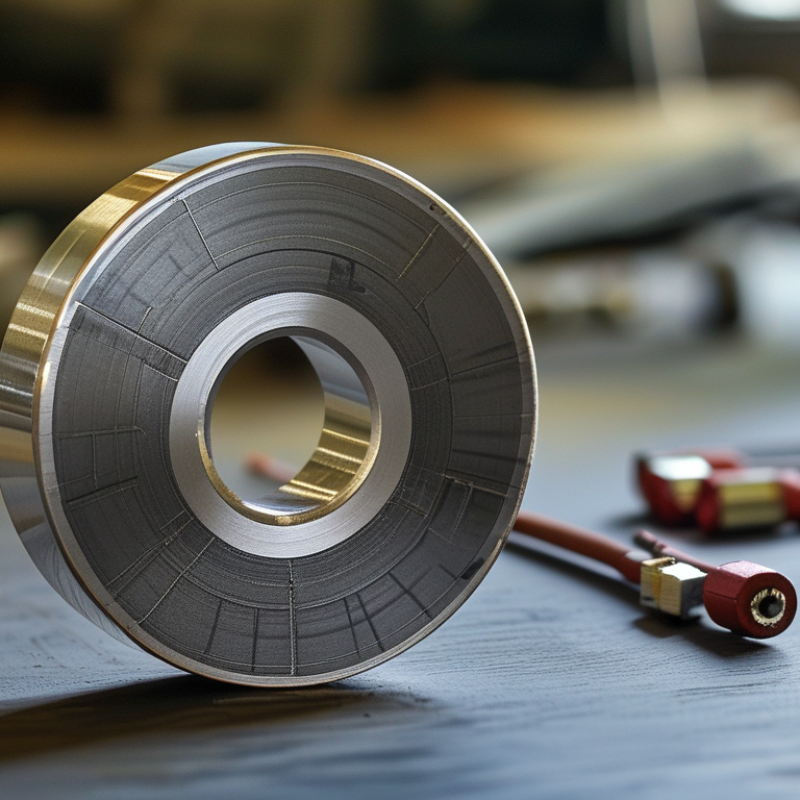
Rare earth magnets are known for their exceptional strength. These magnets are composed of elements like neodymium and samarium. Their properties make them useful in a variety of applications. These include electronics, medical devices, and even renewable energy systems. Understanding their unique features is crucial when selecting one for your needs.
These magnets have high magnetic energy and are surprisingly lightweight. However, they are also brittle and can chip or break if mishandled. The heat resistance of rare earth magnets varies. Some can withstand higher temperatures, while others may lose their magnetism. This is an essential factor to contemplate based on your application.
When choosing a strong rare earth magnet, consider its size and shape. Performance can dramatically differ based on these attributes. Incorrect dimensions can lead to ineffective results. Furthermore, be aware of the environment where the magnet will be used. Factors like humidity and temperature play a significant role in a magnet’s longevity. An informed choice will often depend on a combination of these variables. Each application may require different strengths and shapes, making research imperative.
Types of Rare Earth Magnets: Comparing Neodymium and Samarium Cobalt
When choosing the right rare earth magnet, understanding the differences between neodymium and samarium cobalt is essential. Neodymium magnets, known for their strength, are widely used in various applications. They are often found in motors, hard drives, and even in jewelry. These magnets can produce strong magnetic fields but are vulnerable to heat and corrosion. They work best in conditions that are controlled and protected from moisture.
On the other hand, samarium cobalt magnets are more resistant to high temperatures. This makes them suitable for applications in extreme environments. For instance, they are preferred in aerospace and military uses where durability is critical. These magnets, while slightly less powerful than neodymium, boast a longer lifespan and stability under harsh conditions.
While both types serve unique purposes, your choice should reflect your specific needs. Consider where and how the magnet will be used. Seeking expert advice can offer valuable insights. Don't rush the decision; assess your requirements carefully. Understanding the pros and cons of each type ensures you select the magnet that truly fits your needs.
Comparison of Neodymium and Samarium Cobalt Magnets
| Property | Neodymium Magnets | Samarium Cobalt Magnets |
| Magnetic Strength | Very High | High |
| Temperature Tolerance | Up to 80°C | Up to 300°C |
| Corrosion Resistance | Needs Coating | Generally Good |
| Cost | Moderate | Higher |
| Applications | Electronics, Motors | Aerospace, Medical |
Key Factors in Choosing the Right Strength for Your Application
When selecting a strong rare earth magnet, understanding the strength required for your application is vital. The magnet's strength is measured in Gauss or Tesla, with most industrial magnets ranging from 1,000 to 15,000 Gauss. For example, the N52 grade neodymium magnet offers one of the highest magnetic strengths available, peaking at around 14,000 Gauss. This capability is essential for applications needing significant holding force, like robotics or manufacturing processes.
Consider the specific demands of your application. A magnet used for lifting must have enough strength to bear weight without failure. An insufficiently strong magnet can lead to operational failures, resulting in costly and dangerous situations. It's crucial to conduct a risk assessment to ensure the chosen magnet meets safety and performance standards. Furthermore, while stronger magnets provide more holding power, they may also require specialized handling and installation protocols.
The environment plays a role, too. Factors like temperature and exposure to moisture can diminish a magnet’s performance. A report from the International Magnetics Association highlights that temperatures above 80°C can significantly weaken neodymium magnets. Evaluate your environmental conditions carefully. For example, if your application is in a high-temperature setting, selecting a magnet with specific thermal resistance is necessary. Avoid assuming all magnets can cope with the same conditions; this can lead to premature failure and loss of efficiency.
Safety Considerations When Using Strong Rare Earth Magnets
When using strong rare earth magnets, safety is crucial. These magnets are powerful and can snap together unexpectedly, causing injuries. Always keep them away from your face and body when handling. Wear protective gear like gloves and eye protection during use. This helps prevent pinching or flying debris.
Proper storage is equally important. Avoid stacking magnets close to one another without barriers. This can cause them to attract and might lead to breakage. Instead, use protective cases or storage solutions designed for magnets. Additionally, keep them out of reach of children and pets. This reduces the risk of accidents.
Another concern is the breathing hazards they present. If a magnet breaks, it can create sharp shards. Ensure your workspace is clear and use a magnetic tool for retrieval. Always inspect your magnets before use. If you see cracks or damage, dispose of them appropriately. Taking these precautions enhances safety and ensures a better experience with strong rare earth magnets.
Common Applications and Uses of Strong Rare Earth Magnets in Industry
Strong rare earth magnets are increasingly popular in various industries due to their impressive strength and versatility. These magnets excel in applications like motors, sensors, and magnetic separation. Their compact size allows for powerful performance without taking up much space. Manufacturers often rely on them for energy efficiency in electric vehicles.
In addition to automotive uses, strong rare earth magnets play a crucial role in electronics. They enhance performance in speakers and headphones. In the medical field, these magnets assist in imaging technologies, improving diagnostics. However, improper handling can lead to safety concerns. Users must understand proper usage to avoid accidents.
Sourcing strong rare earth magnets isn't without challenges. Quality varies across suppliers. Users should research options to ensure reliability. Seeking guidance from experts can aid in making informed choices. Understanding specific needs and safety precautions is key to effective use.