How to Choose the Best Aluminothermic Welding Kits?
Choosing the right Aluminothermic Welding Kits can be challenging. The market is full of options, each claiming to be the best. An uninformed decision may lead to unsatisfactory results.
An effective welding kit should align with specific needs and project requirements. Evaluating the quality of materials is crucial. Some kits may offer lower costs, but at what expense? Often, compromising quality can lead to safety issues or poor weld integrity.
Professional welders understand the importance of reliable tools. They often advocate for trusted brands and thorough research. Reviews and testimonials can provide insight, while expert opinions add credibility. However, it’s essential to approach recommendations critically. What works for one project may not suit another. Ultimately, making an informed decision about Aluminothermic Welding Kits requires careful consideration of various factors.
Understanding Aluminothermic Welding and Its Applications
Aluminothermic welding is a powerful technique used primarily in railway, construction, and heavy manufacturing sectors. This method involves a chemical reaction between aluminum powder and metal oxides, producing molten metal. The heat generated allows for strong, durable welds. Understanding how this process works is crucial for its effective application.
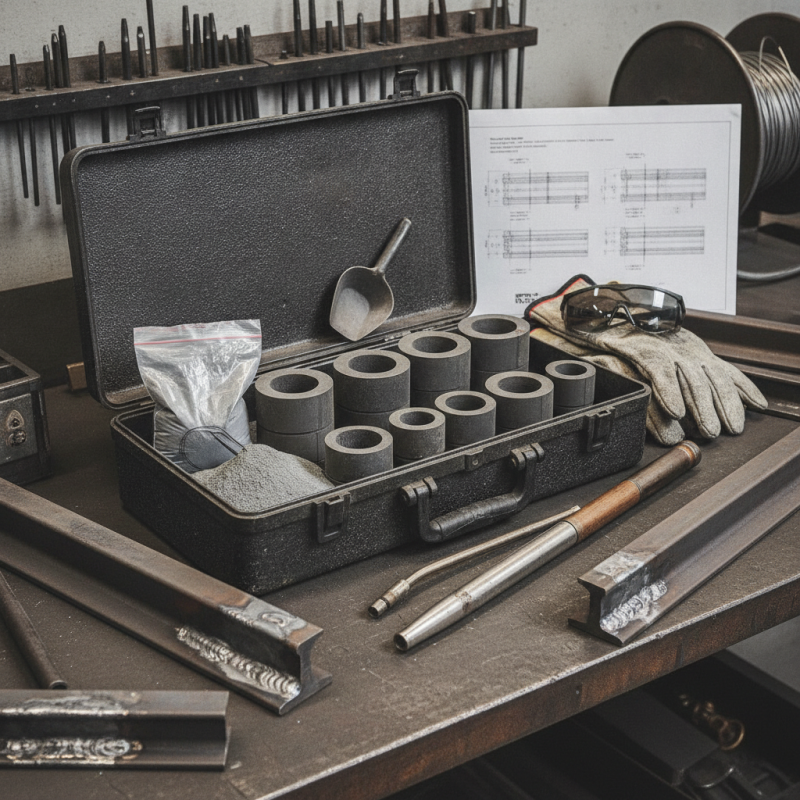
In industries where safety and quality are paramount, the right welding kit is essential. Assessing the contents of the kit is vital. Ensure it includes the necessary components such as crucibles, molds, and protective gear. Each part plays a role in safeguarding the welder and enhancing project outcomes.
Tips: Always prioritize quality over cost. Investing in a reliable kit can lead to better results and long-term use. Look for kits that come with detailed instructions. Familiarize yourself with safety protocols before starting. Practice on test pieces to build confidence and competence.
Despite the benefits, aluminothermic welding does have challenges. The process can be complex and requires skill to perform well. Incomplete understanding may lead to weak welds, compromising structural integrity. Continuous learning and practice are key to mastering this craft.
Key Factors to Consider When Choosing Welding Kits
When selecting the right aluminothermic welding kit, consider its portability. A lightweight kit is easier to transport. Look for kits that include all necessary components. This saves time and effort during setup. Evaluate the packaging as well. A robust, well-designed case protects the items inside. It also makes organization simple.
Welding conditions are crucial too. Assess the environment where you'll use the kit. If you’ll work outdoors, choose weather-resistant materials. Also, think about the temperature range the kit can handle. Kits designed for extreme conditions enhance reliability. Finally, ensure the instructions are clear. Complicated manuals can lead to mistakes and wasted materials.
Experience matters when using welding kits. Many operators neglect to practice proper techniques. This can result in welds that lack strength. Always take time to hone your skills before tackling significant projects. Reflect on your past jobs and learn from any errors. This iterative approach can lead to better outcomes in future projects.
Types of Aluminothermic Welding Kits Available
When selecting aluminothermic welding kits, it's crucial to understand the various types available. These kits primarily function based on the thermite reaction, which generates intense heat. They are typically categorized into several types, each designed for specific applications.
One common type is the rail welding kit. This kit is essential for railway construction and repair. It ensures a strong bond between rail sections. The user must have experience handling these kits to achieve optimal results. Operation requires attention; even the smallest mistake can lead to unsatisfactory welds.
Another type is the general-purpose aluminothermic welding kit. This kit is versatile and may be used in various metalworking applications. It is suitable for welding steel and cast iron components. Users appreciate its portability and ease of use. However, without proper training, performance may suffer.
Each type has its own advantages and limitations. It's wise to consider the specific requirements of your project before selecting a kit. Factors like material type and required strength play a significant role in the decision-making process. Always prioritize safety and thorough preparation when engaging in aluminothermic welding.
Essential Safety Features in Welding Kits
When selecting aluminothermic welding kits, safety features should be a primary concern. According to the American Welding Society, leading causes of accidents in welding include inadequate safety measures. Safety goggles, gloves, and protective clothing are essential. Reliable kits often include high-quality PPE that meets industry standards.
Flame-resistant materials in kits enhance safety during operations. Portable fire extinguishers should accompany the welding equipment. The Occupational Safety and Health Administration (OSHA) emphasizes the importance of having such measures in place to prevent workplace injuries.
Tips: Always inspect your gear before use. Look for signs of wear and tear. Ensure your kit complies with safety regulations. Familiarize yourself with emergency procedures. Remember, welding can pose risks, but proper gear minimizes danger. Don't rush into projects; take your time to set up safely. An ounce of prevention is worth a pound of cure.
How to Choose the Best Aluminothermic Welding Kits? - Essential Safety Features in Welding Kits
| Feature | Importance | Recommended Standard |
| Flame Retardant Material | Prevents fire hazards during welding | ASTM E84 |
| Insulated Handles | Provides grip and protects against electrical shock | IEC 60900 |
| Safety Goggles | Protects eyes from sparks and UV radiation | ANSI Z87.1 |
| Fire Extinguisher | Essential for immediate fire response | NFPA 10 |
| Proper Ventilation | Reduces inhalation of harmful fumes | OSHA Standards |
Maintaining and Storing Your Aluminothermic Welding Kit
Proper maintenance and storage of your aluminothermic welding kit is crucial for optimal performance. After each use, inspect all components thoroughly. Check for wear and tear, especially on storage containers and safety gear. It’s common to overlook minor damage that can lead to major issues during future applications. A small crack in a container can cause leaks, risking safety.
Storing your welding kit in a dry, cool environment helps maintain the integrity of the materials. High humidity can affect the chemical reactions involved in the welding process. A dedicated storage area keeps your tools organized and reduces the chance of losing important components. Consider labeling compartments for easy access; this can save time during setup.
Regular training on handling and safety protocols is essential. While many users are familiar with the basics, forgetting key steps can lead to accidents. It’s beneficial to revisit safety guidelines periodically. Instead of relying solely on memory, keeping a checklist near your storage area can serve as a helpful reminder. Making these small adjustments can improve your efficiency and safety in welding projects.