How to Choose Aisi 304 Stainless Steel for Your Projects?
Choosing the right material for your projects can significantly impact their durability and performance. AISI 304 stainless steel, known for its excellent corrosion resistance, is a popular choice in various industries. According to a report by the Stainless Steel World Conference, AISI 304 steel constitutes over 50% of the total stainless steel production globally. This highlights its widespread use and reliability.
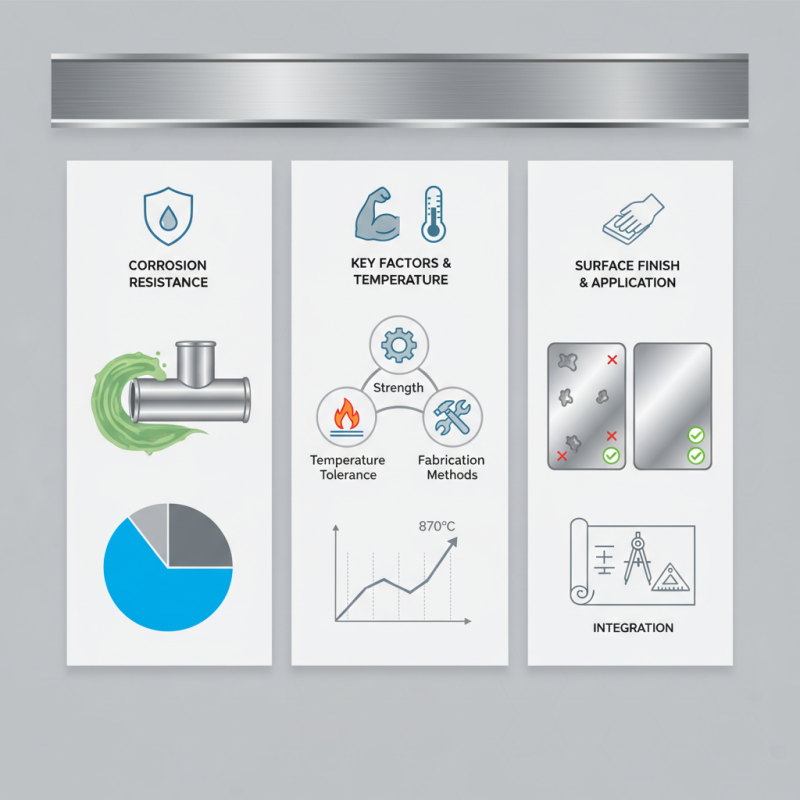
When selecting AISI 304 stainless steel, consider factors like strength, temperature tolerance, and fabrication methods. This grade can withstand temperatures up to 870°C intermittently. Despite its benefits, improper selection or application can lead to issues. For example, exposure to certain chemicals can compromise its integrity.
Many projects overlook the importance of surface finish in AISI 304 stainless steel. A smooth finish can enhance its resistance to corrosion. However, achieving the right balance between aesthetics and functionality can be challenging. Careful consideration is essential when integrating AISI 304 stainless steel into your designs. Understanding its properties can elevate your project's success.
Understanding Aisi 304 Stainless Steel Properties and Characteristics
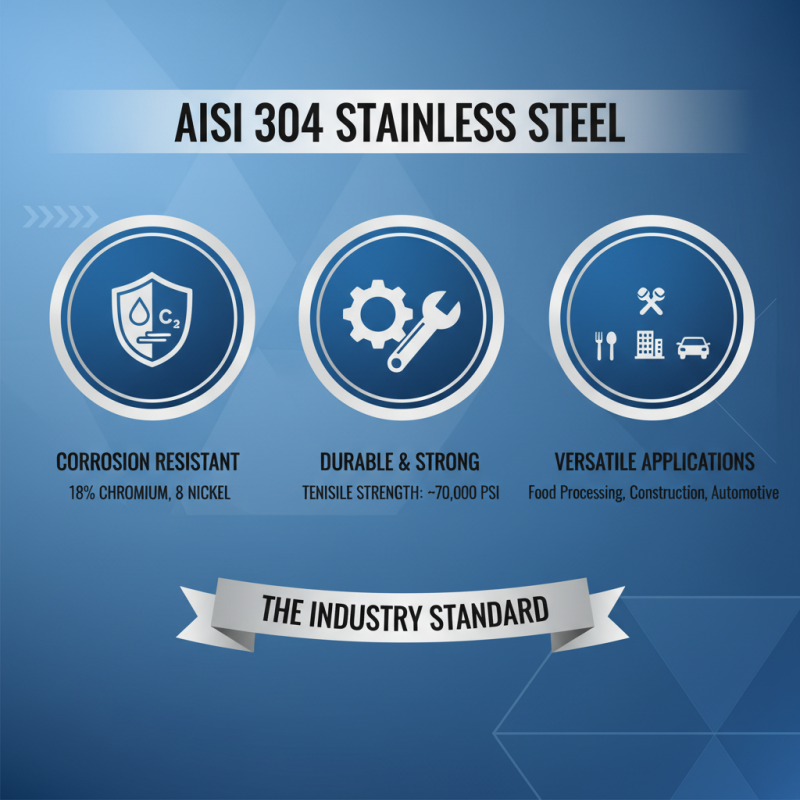
Aisi 304 stainless steel is widely known for its excellent corrosion resistance. It contains 18% chromium and 8% nickel, providing impressive durability. This composition makes it a popular choice in various industries, such as food processing, construction, and automotive. According to a recent industry report, Aisi 304 has a tensile strength of around 70,000 psi, making it suitable for heavy-duty applications.
In addition to its strength, Aisi 304 is non-magnetic, which is a vital property for applications requiring high levels of cleanliness. The material can withstand temperatures up to 870°C in continuous service and 925°C in intermittent service. This versatility shows its adaptability to different environments. However, it is essential to note that Aisi 304 may become prone to pitting in saltwater environments.
While its properties seem ideal, users should be cautious about its limitations. The material can suffer from stress corrosion cracking in chloride-rich environments. Regular inspections are recommended to avoid potential failures. By understanding these properties and characteristics, you can make informed decisions for your projects.
Assessing Project Requirements for Aisi 304 Stainless Steel Applications
When considering Aisi 304 stainless steel for your projects, assessing your specific requirements is crucial. This alloy is known for its corrosion resistance and durability. However, it's not always the best choice for every application. For example, if your project involves exposure to harsh chemicals, you might need a different grade.
Evaluating the environment where the stainless steel will be used is essential. Will it be indoors or outdoors? Will it come into contact with saltwater or soil? These factors affect the longevity and performance of Aisi 304. Additionally, consider the load and structural requirements. Sometimes, this grade may not handle extreme weights effectively.
Cost is another consideration. Aisi 304 stainless steel can be more expensive than other materials. Budget constraints may lead you to explore alternatives. Take the time to weigh the pros and cons. If the project has specific standards or certifications, ensure that Aisi 304 meets those criteria. Reflecting on these aspects can result in better decision-making.
Material Properties of Aisi 304 Stainless Steel
Evaluating Cost-Effectiveness of Aisi 304 Stainless Steel Materials
When considering the cost-effectiveness of Aisi 304 stainless steel, it’s essential to evaluate its long-term benefits. This material has a lower initial cost than many alternatives. However, the real savings come over time due to its durability and corrosion resistance. Many industries rely on Aisi 304 for projects involving food processing, architecture, and manufacturing. These sectors appreciate its longevity in harsh environments.
Despite its advantages, some projects may reveal hidden costs. Aisi 304 can be more expensive than other metals if not used correctly. For example, improper welding can lead to failure and additional replacements. It’s crucial to factor in maintenance and repair expenses when planning your budget. While Aisi 304 offers robustness, the initial choice might feel overwhelming. Taking the time to analyze your specific project needs can lead to better decisions. Always weigh initial investment versus long-term value.
How to Choose Aisi 304 Stainless Steel for Your Projects? - Evaluating Cost-Effectiveness of Aisi 304 Stainless Steel Materials
| Parameter |
Value |
Benefits |
| Corrosion Resistance |
Excellent |
Suitable for harsh environments |
| Cost per kg |
$2.50 - $3.00 |
Affordable for large-scale projects |
| Density |
8.0 g/cm³ |
Allows for lightweight structures |
| Tensile Strength |
505 MPa |
High strength for structural applications |
| Weldability |
Good |
Facilitates easier construction and repairs |
| Applications |
Food processing, Construction |
Versatile usage across industries |
Comparing Aisi 304 Stainless Steel with Other Stainless Steel Grades
When comparing AISI 304 stainless steel with other grades, key distinctions emerge. AISI 304 is well-known for its excellent corrosion resistance. In fact, it performs admirably in environments up to 870°C. This is crucial for industries like food processing and pharmaceuticals. However, it can be susceptible to pitting in chloride-rich environments. So, projects requiring constant exposure to saltwater might need alternatives.
AISI 316, for example, offers enhanced corrosion resistance due to its molybdenum content. Research indicates it maintains structural integrity better than AISI 304 in marine settings. However, AISI 316 is often more expensive and may not be necessary for all applications. A common misconception is that all stainless steels are equally resistant to corrosion. In reality, the specific environment determines this.
While AISI 304 is versatile, its performance varies based on factors like temperature and pH levels. Many professionals overlook these details, assuming that one grade fits all. Understanding the application environment helps in selecting the appropriate stainless steel grade. Recognizing the limitations of AISI 304 can lead to better project outcomes.
Tips for Sourcing and Purchasing Aisi 304 Stainless Steel Supplies
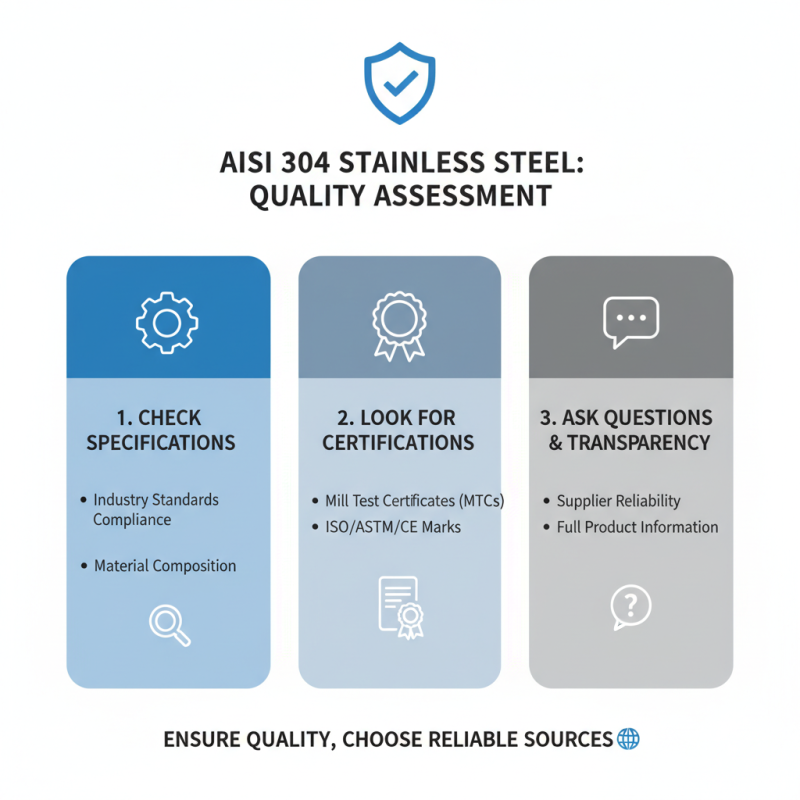
When sourcing Aisi 304 stainless steel, it is critical to assess quality. Start by checking specifications. Ensure the steel meets industry standards. Look for certifications that confirm material composition. Not all suppliers provide this information, so ask specific questions. A reliable source will be transparent about their products.
Consider the supplier’s reputation. Seek out reviews and testimonials. A trustworthy supplier stands out. But don’t just rely on online information; reach out directly. A conversation can reveal insights about their reliability. You might discover inconsistencies in their claims, prompting deeper scrutiny.
Price is another important factor. Compare quotes from multiple suppliers. Be wary of prices that seem too low; they may compromise quality. Sometimes, a higher price reflects better sourcing practices. Ultimately, making an informed choice could save time and resources in the long run.