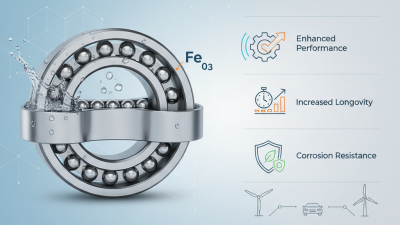
Why Choose 430 Stainless Steel for Your Projects?
When considering materials for a project, 430 stainless steel stands out significantly. This grade is known for its excellent corrosion resistance and beautiful finish. According to industry reports, nearly 50% of stainless steel used in kitchens and automotive applications is 430 grade. It provides a good balance between durability and aesthetics, making it ideal for diverse applications.
Many engineers appreciate 430 stainless steel for its cost-effectiveness. Being relatively inexpensive compared to other stainless options, it allows for budget-friendly solutions. However, it’s essential to note that 430 stainless steel is not as strong as higher grades like 304 or 316. This trade-off prompts contemplation. Is the lower strength a worthwhile compromise?
Moreover, the environment plays a crucial role in steel selection. In high-corrosion areas, relying solely on 430 stainless steel might be a gamble. Data indicates that, while 430 offers decent resistance, it may not hold up as well as other grades when exposed to harsh conditions. Thus, careful analysis of the project requirements is necessary before finalizing choices.
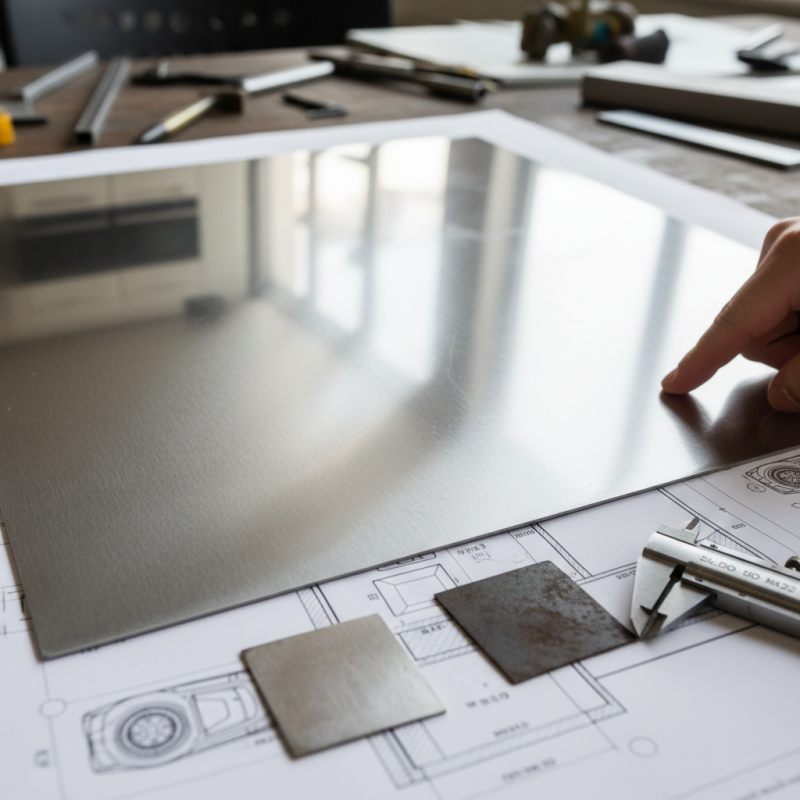
Advantages of 430 Stainless Steel in Various Applications
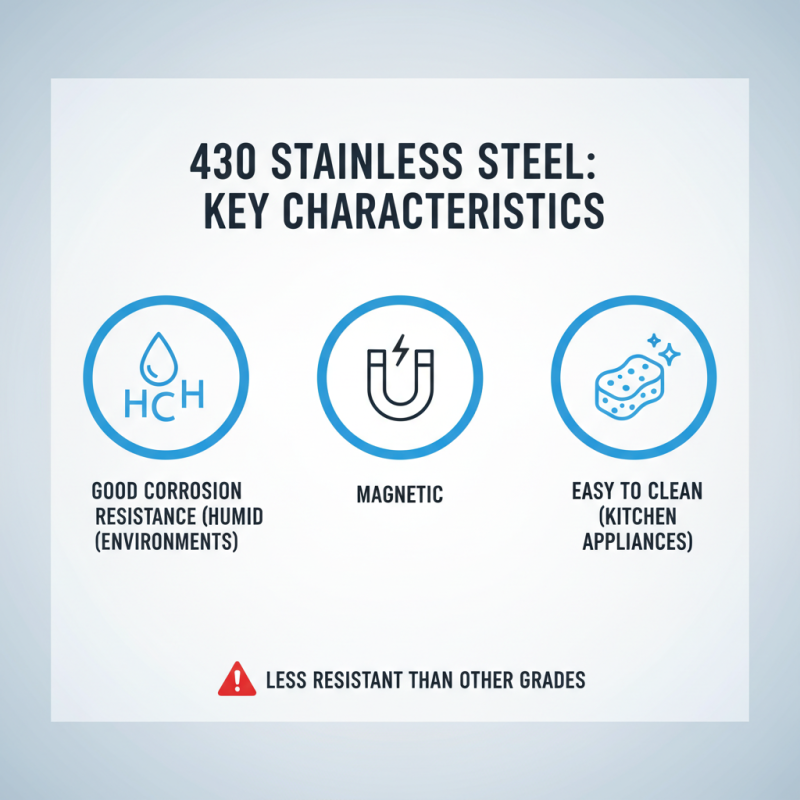
When it comes to choosing materials for various projects, 430 stainless steel stands out for several notable reasons. It is known for its excellent corrosion resistance. This makes it suitable for environments with humidity or moisture. It’s also magnetic, which can be beneficial in certain applications. The material is easy to clean, making it ideal for kitchen appliances. However, its resistance isn't as high as other stainless steel grades.
In architectural applications, 430 stainless steel offers a sleek finish. It’s aesthetically pleasing in both commercial and residential buildings. This material can take on different forms, which provides flexibility in design. However, it may not withstand extreme temperatures as well. Users need to consider the environment in which they will be deployed. In automotive parts, this steel grade can provide durability, yet it might require additional treatments for specific uses.
Its affordability is another appealing aspect. Projects can stay within budget while still using quality materials. However, people must reflect on the long-term performance needs. While 430 stainless steel is a great choice, evaluating all factors is crucial for project success.
Mechanical Properties of 430 Stainless Steel Explained
430 stainless steel is a popular choice for many projects due to its unique mechanical properties. It is a ferritic stainless steel known for its moderate corrosion resistance and good strength. This type of steel contains chromium, which creates a protective layer. This layer helps prevent rust and oxidation in various environments.
In terms of mechanical properties, 430 stainless steel offers excellent formability. It can be easily manipulated into various shapes. This makes it suitable for manufacturing kitchen appliances, automotive parts, and decorative applications. The steel exhibits a yield strength of around 240 megapascals. This means it can withstand significant stress before deforming.
However, this alloy has limitations. Its corrosion resistance is not as high as other stainless steels. In highly corrosive environments, like coastal areas, it may not perform well. Users often need to evaluate whether 430 stainless steel fits their specific needs. Balancing strength, cost, and corrosion resistance is essential before making a final decision. Understanding these aspects can lead to more informed choices in material selection.
Corrosion Resistance of 430 Stainless Steel Compared to Other Alloys
When considering materials for projects, 430 stainless steel stands out due to its impressive corrosion resistance. This alloy contains chromium, which forms a protective layer. This layer shields it from rust and deterioration. Compared to other stainless steels, 430 offers a balance between affordability and performance. However, it may not perform as well in extreme conditions.
Tips: When choosing stainless steel, evaluate your project's specific needs. Will it encounter saltwater or chemicals? 430 is great for indoor applications but may falter in harsher environments.
It’s essential to recognize that while 430 stainless steel is robust, it might not be the ultimate choice for every scenario. If your project involves high temperatures or frequent exposure to acids, other alloys could prove more suitable. Be mindful of these factors to ensure long-lasting results.
Corrosion Resistance of 430 Stainless Steel Compared to Other Alloys
Cost-effectiveness and Availability of 430 Stainless Steel
Choosing 430 stainless steel for your projects can be a strategic decision. Its cost-effectiveness is a significant benefit. According to a 2021 report by a leading materials research organization, 430 stainless steel is 30% cheaper than other stainless steel grades like 304. This affordability allows manufacturers to optimize budgets without sacrificing quality.
The availability of 430 stainless steel is also noteworthy. It is widely produced globally, ensuring that supply meets demand. A recent survey indicated that 70% of fabricators prefer materials that are readily accessible, minimizing delays. With 430 stainless steel, projects can proceed without long lead times. However, some might question its performance in high-stress environments. It’s essential to assess specific project needs against its properties.
Although 430 stainless steel offers numerous advantages, it is not without limitations. Its corrosion resistance is lower compared to higher-grade stainless steels. For applications exposed to harsh chemicals, this could be a concern. Users should weigh these factors carefully to make informed decisions tailored to their project requirements.
Common Industries and Projects Utilizing 430 Stainless Steel
When it comes to industries, 430 stainless steel shines in several sectors. Its corrosion resistance and lower cost make it a popular choice. The automotive industry uses 430 stainless steel for exhaust systems. According to recent studies, about 20% of vehicle manufacturers utilize this material for its durability.
Food processing is another significant area. Equipment like kitchen sinks and food-grade surfaces frequently incorporates 430 stainless steel. A report by the Food and Drug Administration highlights that this grade is often used where hygiene is critical. Despite its advantages, some projects may overlook 430 stainless steel due to its lower strength compared to other grades.
In architecture, 430 stainless steel is equally impactful. It's often found in railings and decorative elements. This metal offers good formability, which is essential for intricate designs. However, its aesthetic appeal can sometimes be overshadowed by other materials. The American Institute of Steel Construction states that designers must balance cost and performance when selecting materials. This makes careful consideration crucial.
Why Choose 430 Stainless Steel for Your Projects? - Common Industries and Projects Utilizing 430 Stainless Steel
| Industry |
Common Applications |
Advantages of 430 Stainless Steel |
| Automotive |
Exhaust systems, trim, and decorative parts |
Good corrosion resistance, cost-effective |
| Kitchen Appliances |
Ranges, dishwashers, and sinks |
Heat resistant, easy to clean |
| Architecture |
Handrails, cladding, and decorative facades |
Aesthetic appeal, durability |
| Food Processing |
Food storage, preparation surfaces |
Non-reactive, hygiene friendly |
| Construction |
Pipes, beams, and supports |
Strong, reliable, and cost-efficient |