
MON - FRI 8AM - 5PM

Who Are the China Top 10 Blown Film Machine Manufacturers?

Choosing a Blown Film Machine supplier involves more than comparing prices or catalog photos. Buyers need to match machine capability with the films they actually produce. Film width, layer structure, target thickness, resin type, and expected output all affect the right choice. A line designed for simple packaging may not suit demanding multilayer applications. Small details count.

This guide introduces ten notable Chinese manufacturers and explains what buyers can examine before making a shortlist. It considers product range, configuration options, documented technical support, export experience, and the clarity of each company’s specifications. Where available, factory visits, customer references, and machine trials can help confirm whether published performance figures fit real production needs. Ask how output was measured, what material was used, and whether the quoted configuration includes the necessary components. Compare like with like.

No list can settle every case. “Top 10” is a starting point, not a universal ranking, since production needs and supplier strengths vary. Company information can also change, and a polished brochure is not proof of consistent performance. Buyers should verify current details directly and request written answers on installation, training, spare parts, and after-sales response. Even then, uncertainty remains. A careful comparison takes time, but it can reveal practical differences that a low quotation alone may hide. This overview aims to make that comparison clearer, while leaving room for readers to question the evidence and choose according to their own production goals.
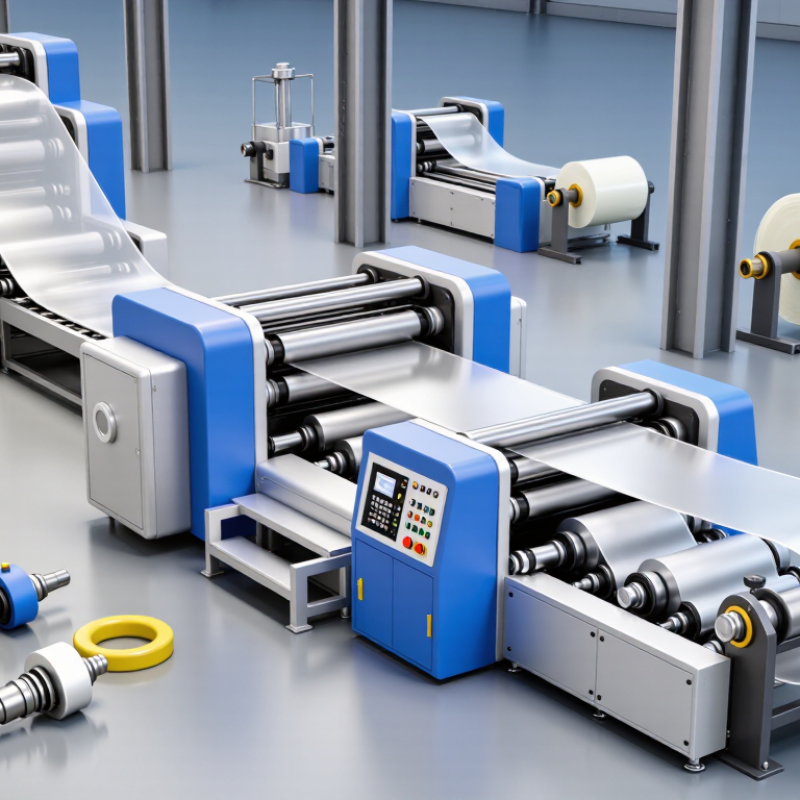
Who Are the China Top 10 Blown Film Machine Manufacturers?

What Is Blown Film Extrusion? 3-, 5-, and 7-Layer Production Basics

Blown film extrusion converts plastic resin into a thin, continuous film. Pellets are heated inside an extruder, then pushed through a circular die. Air expands the soft tube into a bubble. Cooling rings help set its shape before rollers flatten and wind it into rolls. The bubble can wobble. Operators watch its width, thickness, and temperature closely.

Layer count describes how many plastic streams combine in the die. A 3-layer structure often places a functional core between two outer layers. Five layers allow more precise placement of barrier, recycled, or sealing materials. Seven layers can separate additional functions, but they also demand careful control of flow and temperature. More layers are not automatically better. The right design depends on the film’s use, required strength, and available materials.

Tips: Check the bubble for uneven thickness and unstable movement. Confirm that each layer feeds consistently; a small change in temperature can affect bonding. Start with a simple structure when possible. Extra layers add control options, but they can also add setup complexity. A trial run may reveal issues that specifications alone miss.

Which Specs Matter? Output (kg/h), Die Width, and Film Gauge (10–200 μm)

When comparing China’s top 10 blown film machine manufacturers, start with output, die width, and film gauge—not headline speed alone. PlasticsEurope’s Plastics—The Fast Facts 2024 reports global plastics production of 413.8 million tonnes in 2023. That broad figure shows the scale of demand, but it does not predict one line’s performance. Ask for kg/h at your target resin, layer structure, and thickness. A rating without test conditions is hard to compare.

Die width determines the bubble’s working circumference and the layflat film width after collapsing. Confirm whether the stated dimension refers to the die itself or the finished film. For gauge, check stable production across your real range, such as 10–200 μm. Thin film can expose uneven cooling or gauge variation; thick film may require different output expectations. Request sample rolls and thickness measurements. ISO 4593 describes a method for measuring film thickness, which can help make supplier comparisons more consistent. One number can mislead.

Tips: Ask for kg/h at both a thin and a thick gauge, using your intended resin. Record die width, layflat width, and measured thickness in the trial report. Watch the bubble. It may look stable while the roll still varies. Also check how quickly operators can change settings; this practical detail is easy to overlook.

How Do China’s Top 10 Manufacturers Compare Across 3-, 5-, and 7-Layer Lines?

Comparing China’s ten leading blown-film machine manufacturers by layer count reveals different engineering priorities, not a simple ranking. Three-layer lines typically suit standard packaging films, with a central layer for recycled or lower-cost material and outer layers for sealing and printability. Five-layer designs allow more precise placement of barrier and tie layers. Seven-layer lines add flexibility, but demand tighter control of feed rates, temperature, and layer thickness. More layers do not automatically mean better film.

The OECD’s Global Plastics Outlook (2022) estimates that global plastics use reached 460 million tonnes in 2019; packaging represented about 31% of use. That demand helps explain interest in multilayer structures, but the report does not rank machine suppliers. A practical comparison should examine measured output, gauge variation across the web, layer-ratio stability, changeover time, and scrap during start-up. Ask for trial data using the intended resin recipe. A glossy sample roll is not enough.

On three-layer lines, compare stable output and simple operation. On five-layer lines, check whether barrier layers stay centered during speed changes. On seven-layer lines, inspect feed-block design, control response, and maintenance access; extra channels can mean extra adjustment points. That matters. Published specifications may use different test conditions, so headline kilograms per hour can mislead. I would also compare service response and operator training, details that are easy to overlook. A comparison table looks precise, but real production trials can still change the result.

Which Markets Use Blown Film? Packaging, Agriculture, and Barrier Applications

Blown film serves three distinct markets, but packaging remains the most visible. The FAO’s 2021 report, Assessment of Agricultural Plastics and Their Sustainability, estimates annual use at 37.3 million tonnes for food packaging. That figure covers plastics broadly, not blown film alone. Still, it shows the scale of demand for flexible wraps, liners, and pouches. On a production floor, film thickness, seal strength, and consistent winding can matter as much as headline output.

Agriculture uses film for greenhouse covers, mulch, and silage wraps. The same FAO report estimates 12.5 million tonnes of plastics are used each year in agricultural production. Films face very different conditions here: sunlight, wind, soil contact, and seasonal handling. A grower may value durability, while a recycler may need simpler material structures. Those goals do not always align.

Barrier applications add another layer of engineering. Food and medical packaging may need films that limit moisture, oxygen, or odor transfer. Multilayer structures can help, though they can complicate recycling. The OECD’s Global Plastics Outlook reports that packaging accounted for 40 percent of plastic waste in 2019. That is a waste-share figure, not a blown-film market estimate. Performance matters. So does what happens after use.

Blown Film Applications: Typical Thickness Ranges

Blown film serves packaging, agriculture, and barrier applications. The chart shows indicative film-thickness ranges in microns; actual specifications vary with product design, materials, and performance requirements. These ranges are not market-share figures.

How Can Buyers Verify Performance? Gauge Uniformity, kWh/kg, and Factory Tests

Who Are the China Top 10 Blown Film Machine Manufacturers?
How Can Buyers Verify Performance? Gauge Uniformity, kWh/kg, and Factory Tests

A machine’s brochure cannot prove how evenly it produces film. Ask for a factory test using the resin, film width, and thickness you expect to run. Measure thickness across the web, including both edges and the center. Record several readings, not just the best result. A handheld gauge can help, but confirm its calibration and measurement method. Small differences matter when film must feed smoothly into later converting steps.

Check energy use as kWh per kilogram of finished film, with output and operating conditions recorded alongside it. Compare results only when resin, thickness, width, and production speed are similar. Ask to see stable-run data, not a brief peak-output figure. No test is perfectly clean; startup waste and operator adjustments can affect results. That deserves a closer look, not a sales claim.

Tips: Agree on test conditions in writing. Watch a continuous production run, inspect the winding roll, and keep copies of gauge readings and power-meter records. If results vary, ask the factory to repeat the test and explain the difference.

Request a Quote

To learn more about any of the products and services provided by Abbott Ball Company, Inc., simply complete the form below.