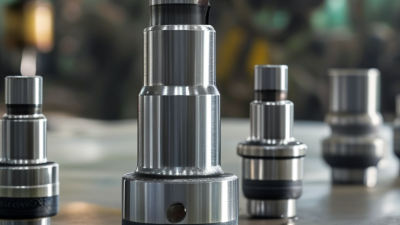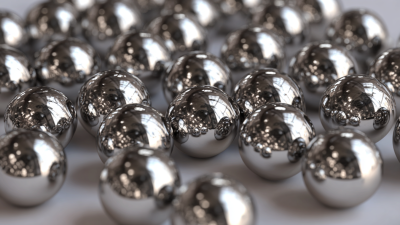
China’s tungsten ball bearings market serves applications where hardness, density, and wear resistance matter. Buyers may compare manufacturers and suppliers by more than quoted price. Material grade, ball diameter, sphericity, surface finish, and batch consistency all affect performance. A polished sample can look convincing under bright light. Measurement records reveal more.
This guide examines China-based suppliers and the questions buyers can ask before requesting samples or a quotation. It considers product specifications, manufacturing capabilities, inspection methods, customization, lead times, and communication. These details help distinguish a supplier’s stated capabilities from evidence that can be reviewed. Ask for dimensional tolerances, inspection documentation, and clear explanations of how defects are handled. Small differences matter.
No source was provided for a named specialist’s verified quotation, so I will not invent one. That restraint is important: expert claims should be traceable. A useful principle for evaluating tungsten ball bearings is simple: match the bearing specification to the actual load, speed, operating environment, and maintenance plan. Not just the catalog description. The supplier landscape can change, and product suitability depends on the application. Treat this overview as a starting point, then confirm current specifications directly with each manufacturer.
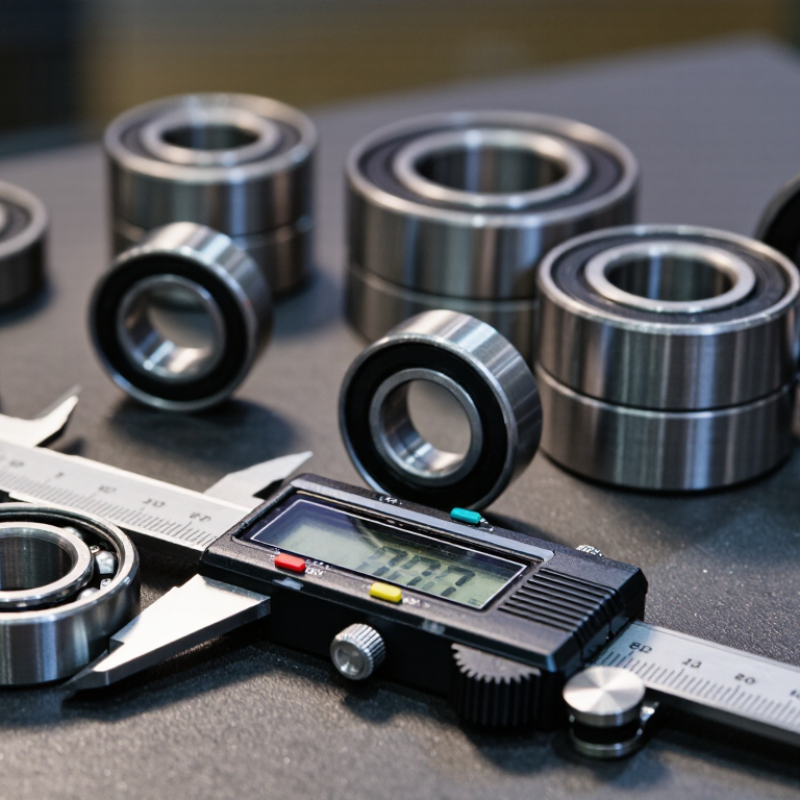
Tungsten ball bearings are often made from tungsten carbide rather than pure tungsten. The distinction matters. Tungsten carbide combines tungsten with carbon to create a very hard, dense material. Its hardness can help resist surface wear in suitable operating conditions. Its density also adds weight, which may affect moving parts. Performance is never determined by material alone. Load, speed, fit, lubrication, and surface finish all play a role.
A well-finished ball should have a consistent surface and closely controlled dimensions. Under bright light, scratches or uneven polish may be visible, though visual checks cannot replace measurement. Tungsten carbide is hard, but it can be brittle under sharp impact. Some grades also contain a metallic binder, so corrosion resistance can vary. Not always. The material name alone does not reveal every useful property.
When comparing bearings, ask for the material grade, diameter tolerance, sphericity, surface roughness, and inspection data. A nominal diameter tells only part of the story. For high-speed or low-noise assemblies, balance and surface consistency may matter as much as hardness. A tiny defect could be harmless in one application and troublesome in another. It is easy to overvalue a single specification; actual service conditions should guide the choice.

Tungsten ball bearings are used where wear resistance and dimensional stability matter more than low weight. In industrial pumps and valves, hard rolling elements can tolerate repeated contact with abrasive fluids and heavy loads. Precision gauges and flowmeters also use small balls to support repeatable movement. Tungsten carbide is common, but its binder and surface finish affect corrosion resistance. Material choice matters.
Some aerospace and automotive mechanisms use tungsten-based balls in demanding assemblies, but high density can increase centrifugal forces at speed. More mass is not always better. The USGS Mineral Commodity Summaries 2024 estimated global tungsten mine production at 78,000 metric tons in 2023, including 63,000 tons from China. This is supply data, not a measure of bearing demand; it does underline why buyers should check material traceability and consistent specifications.
Tips: Match ball grade, diameter tolerance, and surface finish to the actual load and operating speed. Check lubrication and fluid compatibility, too. A ball that performs well in a dry gauge may wear differently inside a pump. Small details matter.
| Industry | Typical Application | Role of Tungsten Carbide Balls | Why They May Be Selected | Key Considerations |
|---|---|---|---|---|
| Oil and Gas | Downhole tools, pump components, and ball-operated valves | Serve as rolling elements or valve balls in equipment exposed to abrasive fluids and high contact stress. | High hardness and resistance to abrasive wear can help maintain contact surfaces in demanding service. | Compatibility depends on the fluid, temperature, pressure, ball grade, and mating materials. Corrosion resistance varies with the carbide grade and binder. |
| Mining and Mineral Processing | Heavy-duty pumps, slurry-handling equipment, and specialized bearing assemblies | Provide a hard rolling or contact surface where fine mineral particles can cause wear. | Can offer better wear resistance than many conventional bearing materials in abrasive environments. | Slurry contamination, impact loading, lubrication, and seal design must be assessed. Carbide is hard but can be brittle under severe shock. |
| Industrial Pumps and Fluid Systems | Precision pump bearings, check valves, and metering equipment | Support rolling contact or provide a durable spherical sealing element, depending on the design. | Dimensional consistency and surface finish can support accurate movement and repeatable seating. | Confirm the required ball diameter, tolerance, surface finish, fluid chemistry, and bearing configuration. |
| Machine Tools and Precision Equipment | Specialized high-load or wear-resistant bearing assemblies and positioning mechanisms | Act as precision rolling elements or contact points in equipment designed for carbide balls. | High hardness helps resist indentation and wear in suitable designs. | The high density of tungsten carbide affects moving mass. Balance, speed, lubrication, and the properties of the races are important. |
| Automotive and Transportation | Selected specialty bearings, pump assemblies, and durable valve mechanisms | Provide a wear-resistant ball where a component design specifically requires carbide. | May be useful in compact components subject to concentrated contact and abrasive wear. | Not a general replacement for steel bearing balls: cost, weight, impact resistance, speed, and system-level testing should be considered. |
| Chemical Processing | Corrosion-sensitive pumps, valves, and fluid-control equipment | Serve as a rolling or sealing ball in assemblies selected for the process environment. | Some carbide grades can perform well in particular chemical and wear conditions. | Chemical resistance is grade-specific; the binder and process fluid must be checked together before material selection. |
| Measurement and Inspection | Precision probes, gauges, and wear-resistant contact points | Provide a hard spherical contact surface for repeated measurement or positioning. | High hardness and the availability of precision-ground balls can support long service life in suitable applications. | Verify diameter tolerance, roundness, surface finish, and the measurement system’s contact-force requirements. |
Material note: Industrial “tungsten balls” used in bearing applications are commonly made from cemented tungsten carbide, not pure tungsten. Actual performance depends on carbide composition, binder, ball quality, mating components, lubrication, and operating conditions.
Chinese tungsten ball manufacturers typically begin with tungsten-carbide powder, not solid tungsten. They blend it with a binder, press it into rough spheres, then sinter the compacted material at high temperature. The balls are ground and lapped in stages, using progressively finer abrasives to reduce diameter variation and surface defects. Small errors matter. A tiny flat spot can affect rolling contact and wear. The USGS Mineral Commodity Summaries 2025 estimated global tungsten mine production at 81,000 metric tons in 2024, with China accounting for 67,000 tons. This figure describes mined tungsten, not finished bearing-ball output, but it shows the scale of China’s raw-material base.
Quality checks commonly measure diameter, roundness, surface finish, hardness, and density. Manufacturers can compare carbide-ball requirements with ISO 3290-4, which covers tungsten-carbide balls. Optical instruments detect dimensional deviations; hardness and density tests help reveal inconsistent sintering or material composition. Some suppliers also inspect batches for cracks and pores. Not perfectly simple. A polished surface alone cannot prove reliable performance under load, and results depend on calibrated equipment and sampling frequency. Buyers should ask for batch-level inspection records and test methods, not just a general quality claim. Even careful testing has limits: real operating conditions may expose weaknesses that a short factory test misses.
China’s tungsten ball bearing manufacturers and suppliers serve applications that need high density, wear resistance, and consistent dimensions. Many offer tungsten carbide balls, but buyers should confirm the exact material and grade before comparing quotations. Manufacturing capabilities vary. Some factories focus on standard sizes, while others handle custom diameters, tolerances, and small production runs. Ask about inspection methods, including diameter checks and surface-finish measurements. Small details matter.
A capable supplier should explain its production process and provide clear specifications, rather than relying on broad claims. Request a sample and a material certificate, then compare the measured diameter and finish with the agreed requirements. Packaging matters too; individual compartments can reduce contact damage during transport. For demanding applications, discuss load conditions and operating environments with the supplier’s technical team. A catalog alone is not enough. China has a broad supplier base, so a low price does not automatically signal good value. Even a careful review may leave questions, especially when test methods are not stated clearly. That is worth addressing before an order is placed.
When evaluating a Chinese tungsten ball bearing supplier, verify the actual product before comparing quotations. USGS Mineral Commodity Summaries 2024 estimates that China produced 63,000 of the world’s 78,000 metric tons of mined tungsten in 2023. This concentration makes supply-chain questions relevant, but it does not prove any factory’s quality. Ask whether the balls are tungsten carbide, and request material composition, density, hardness, and batch inspection records.
Look for measurable evidence. A supplier should state ball diameter and tolerance, roundness, surface finish, and inspection method. Request a sample lot and compare its measurements with the drawing using calibrated equipment. For bearing assemblies, also check load conditions, lubrication requirements, and operating temperature; a ball’s hardness alone cannot predict service life. Ask for traceability from raw material to finished batch. Numbers are not proof.
Review how the supplier handles defects, delivery changes, and test disagreements. Request a written sampling plan and a recent inspection report with acceptance limits, not just a certificate without results. Confirm whether testing is performed in-house or independently, and clarify who pays if samples fail. I would not choose on price alone; I have seen specifications that looked complete but left the surface-finish method unclear. That gap can matter. Compare the same drawing, test criteria, packaging, and lead time across quotations before placing a production order.
To learn more about any of the products and services provided by Abbott Ball Company, Inc., simply complete the form below.