
MON - FRI 8AM - 5PM

China Top 10 Industrial Automation Computer Manufacturers

China’s industrial automation sector has developed a broad base of computer manufacturers. Their products support factory control, machine vision, energy systems, transportation, and warehouse operations. This guide introduces China’s Top 10 Industrial Automation Computer Manufacturers through practical industry criteria. These criteria include product stability, engineering experience, customization ability, technical support, and supply reliability.

A dependable Automation Computer must perform beyond a clean laboratory environment. It may operate beside a stamping press, inside a dusty cabinet, or near constant vibration. Engineers often check fanless designs, aluminum chassis, wide-temperature performance, industrial Ethernet, serial ports, and expansion options. Long product availability also matters, especially when a production line must run for several years. Manufacturer documentation, testing processes, certifications, and customer support can reveal more than marketing language.

No ranking can fit every application. A compact box computer may suit machine vision, while a rack-mounted system may serve a control room. Some manufacturers offer strong customization, but their delivery schedules may require closer confirmation. Others provide mature hardware, yet their software integration support may be limited. This guide therefore avoids treating “top” as an absolute label. It focuses on verifiable capabilities and realistic purchasing considerations. Readers should still test samples, review technical documents, and confirm local service conditions before making a decision. That step is easy to overlook. Yet it often separates a reliable deployment from an expensive replacement.
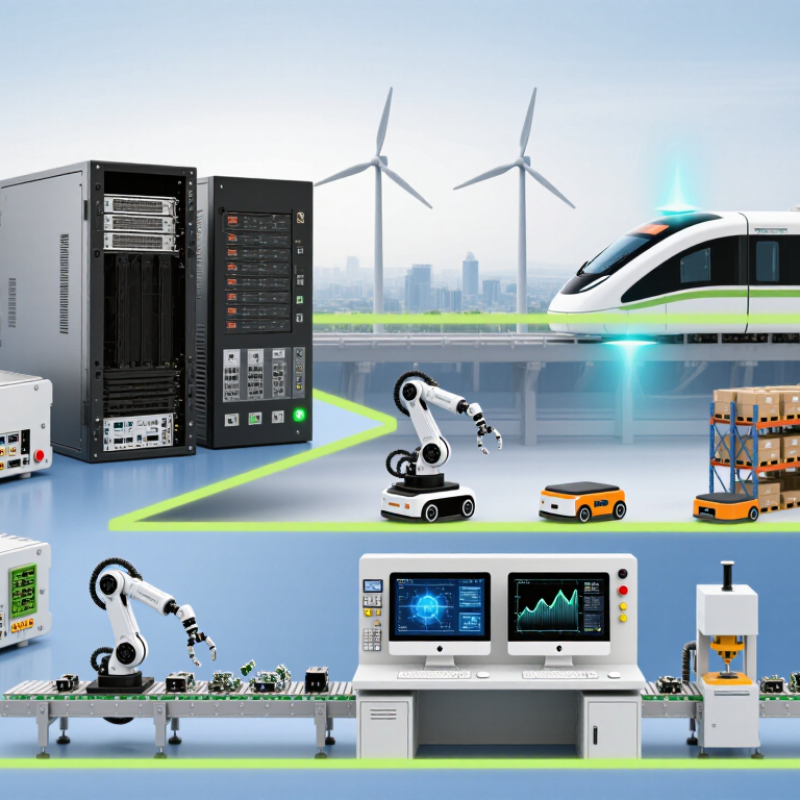
China Top 10 Industrial Automation Computer Manufacturers

Definition and Role of Industrial Automation Computers

An industrial automation computer is a rugged computing platform built for continuous operation near machines. It connects sensors, controllers, cameras, drives, and operator displays. Unlike an office computer, it must tolerate vibration, dust, heat, electrical noise, and unstable network conditions. It is the plant’s local decision layer. Real-time control, data acquisition, machine vision, and edge analytics often run on the same unit. That matters. A delayed signal can interrupt production or create inaccurate process data.

MarketsandMarkets estimated the industrial PC market at about USD 5.3 billion in 2022. Its report projects approximately USD 7.4 billion by 2027.

Fortune Business Insights placed the broader industrial automation market at USD 191.89 billion in 2023.

These figures show strong demand, although research methods and market definitions differ. The numbers are not perfectly comparable. Reality is messier.

In practical deployments, engineers assess more than processor speed. They check operating temperature, mounting options, expansion slots, storage endurance, remote management, and cybersecurity controls. IEC 62443 provides a recognized framework for protecting industrial automation and control systems.

A computer with excellent specifications can still fail when airflow is poor or maintenance access is limited. Field commissioning often exposes this gap.

The best industrial automation computer supports stable operations, collects trustworthy data, and leaves room for future software changes. That final requirement is frequently underestimated.

Key Criteria for Evaluating Chinese Automation Computer Manufacturers

China Top 10 Industrial Automation Computer Manufacturers

Selecting an industrial automation computer manufacturer requires more than checking product prices. In factory projects, I examine processing stability, operating temperature, enclosure strength, and long-term support. A computer beside a stamping line may face vibration, dust, heat, and electrical noise every day. The manufacturer should provide clear test reports, component specifications, and realistic service commitments. Vague claims create expensive delays.

Engineering experience matters. Ask whether the supplier understands PLC communication, industrial Ethernet, serial interfaces, and real-time monitoring. Request a sample unit before bulk purchasing. Test it with your software, sensors, displays, and control cabinets. Check startup time after power loss. Review how quickly technical staff respond to faults. Certification documents also deserve careful verification, not just attractive copies. No scorecard is perfect. My own evaluations have sometimes overvalued hardware performance and underestimated firmware compatibility.

Tips: Build a practical evaluation sheet with measurable criteria. Record CPU performance, memory expansion, storage endurance, and fanless operation. Confirm warranty terms, spare-part availability, and repair procedures in writing. Ask for a production-site audit when possible. Observe cable routing, inspection records, and packaging quality. A small detail matters: connectors should remain firm after repeated maintenance. Also, compare total ownership cost, including installation, updates, downtime, and training. The cheapest unit can become costly when support is slow. Reliability is proven through evidence, not confident wording.

China Top 10 Industrial Automation Computer Manufacturers - Key Criteria for Evaluating Chinese Automation Computer Manufacturers

Comparative evaluation framework based on commonly documented industrial computer specifications and procurement criteria. Product certifications, operating limits, lifecycle commitments, and service capabilities should be verified with current supplier documentation.
Rank Anonymous Manufacturer Profile Primary Product Coverage Typical CPU Platforms Fanless Options Typical Operating Temperature Industrial Interfaces Customization Capability Quality and Compliance Evidence to Request Lifecycle and Service Criteria Evaluation Score / 100
1 Profile 01 Panel PCs, box PCs, rackmount systems, embedded controllers Intel Atom, Celeron, Core, and Xeon-class platforms Yes -20°C to 60°C Gigabit Ethernet, serial ports, USB, isolated I/O, fieldbus expansion BIOS, enclosure, I/O, display, memory, storage, and logo customization ISO 9001, CE, FCC, RoHS, EMC and safety test reports Long-term CPU availability, spare-parts planning, remote technical support 92
2 Profile 02 Embedded box PCs, DIN-rail computers, edge gateways Intel Atom, Celeron, Core, and ARM-based platforms Yes -20°C to 70°C Dual Ethernet, RS-232/422/485, USB, digital I/O, wireless expansion Strong support for mechanical redesign and application-specific I/O ISO 9001, CE, FCC, RoHS, vibration and thermal validation records Firmware maintenance, remote diagnostics, documented change control 90
3 Profile 03 Industrial panel PCs, touch computers, stainless-steel HMIs Intel Celeron, Core, and low-power embedded processors Yes 0°C to 50°C standard; wider ranges available Ethernet, serial communication, USB, CAN, isolated digital I/O Display size, touch technology, mounting method, and enclosure options IP rating test results, CE, FCC, RoHS, EMC and ingress protection documents Panel replacement support, installation guidance, standard spare units 88
4 Profile 04 Rackmount computers, industrial workstations, GPU-capable systems Intel Core, Xeon-class, and workstation-grade processors Limited 0°C to 50°C Multiple Ethernet ports, PCIe slots, serial ports, USB, RAID support High flexibility for storage, PCIe cards, power supplies, and rack layouts System burn-in records, CE, FCC, RoHS, electrical safety and EMC reports On-site integration assistance, RAID support, replacement component policy 86
5 Profile 05 Compact box PCs, vehicle computers, mobile automation terminals Intel Atom, Celeron, Core, and ARM-based processors Yes -20°C to 60°C Ethernet, serial ports, USB, CAN, GPS, 4G/5G and wireless connectivity Power input, communication modules, enclosure, and mounting customization Automotive or industrial EMC testing, CE, FCC, RoHS, vibration reports Power-conditioning support, antenna selection, field replacement guidance 84
6 Profile 06 Industrial tablets, handheld terminals, rugged mobile computers Low-power Intel, ARM, and mobile computing platforms Not applicable -10°C to 50°C Wi-Fi, Bluetooth, cellular, USB, serial, barcode and RFID interfaces Scanner, battery, docking station, display, and software integration options Drop, vibration, battery safety, IP rating, CE, FCC and RoHS evidence Battery replacement program, device management software, repair turnaround 82
7 Profile 07 AI edge computers, vision systems, GPU edge servers Intel Core, Xeon-class, and GPU-accelerated platforms Limited 0°C to 45°C High-speed Ethernet, USB 3.x, PCIe, display outputs, camera interfaces GPU, memory, storage, cooling, camera I/O, and software image configuration Thermal validation, GPU stability tests, CE, FCC, RoHS and EMC reports Software image control, driver maintenance, performance benchmarking support 80
8 Profile 08 DIN-rail PCs, PLC-compatible controllers, industrial gateways Intel Atom, Celeron, ARM, and low-power Core processors Yes -20°C to 60°C Ethernet, RS-485, CAN, USB, digital I/O, Modbus and fieldbus modules I/O modules, DIN-rail mechanics, protocol firmware, and power input options EMC testing, CE, FCC, RoHS, electrical safety and vibration documentation Protocol support, configuration tools, firmware version control and spares 79
9 Profile 09 Display computers, HMI terminals, open-frame panel systems Intel Celeron, Core, and embedded low-power processors Yes 0°C to 50°C Ethernet, USB, serial ports, HDMI/DP, audio and optional isolated I/O Screen size, brightness, touch panel, bezel, mounting, and front-panel design Optical, touch, EMC, CE, FCC, RoHS and enclosure test documentation Display availability, touch-panel replacement, installation and calibration support 77
10 Profile 10 Entry-level industrial PCs, compact controllers, OEM computing modules Intel Celeron, Atom, ARM, and entry-level Core processors Yes 0°C to 50°C Ethernet, USB, RS-232/485, HDMI, digital I/O and expansion headers Basic enclosure, I/O, memory, storage, firmware, and label customization ISO 9001, CE, FCC, RoHS, production inspection and functional test records Competitive minimum order quantities, standard warranty, spare-unit availability 75

Top 10 Industrial Automation Computer Manufacturers in China

China’s industrial automation computer market is expanding with factory digitisation, robotics, and edge computing. According to the International Federation of Robotics’ World Robotics 2024 report, China installed 276,288 industrial robots in 2023. This represented about 51% of global installations. Each robot needs reliable computing nearby.

The top 10 industrial automation computer manufacturers in China should be assessed through practical evidence, not advertising claims. Buyers should examine processor stability, fanless thermal design, operating temperature, vibration resistance, and long-term supply capacity. A factory floor may reach 50°C, collect metal dust, and experience constant electrical noise. Industrial computers must continue operating under these conditions.

The best suppliers usually provide panel PCs, embedded systems, rack units, and edge gateways for different production lines. They also support common industrial protocols and remote maintenance.

Market reports require careful reading. MarketsandMarkets identifies industrial computing as a key layer in factory automation, while IDC repeatedly highlights edge processing as a growing requirement for real-time manufacturing decisions. However, these reports often combine different product categories. That makes direct rankings imperfect. A stronger review should compare tested failure rates, warranty response, lifecycle support, and field experience. Certification documents matter, but they do not replace a factory trial. The right shortlist may change between electronics assembly, automotive production, and food-processing environments. Small details often decide performance.

Product Types, Technologies, and Industry Applications

China Top 10 Industrial Automation Computer Manufacturers

Industrial automation computers support stable control, monitoring, and data processing on factory floors. Their designs differ according to temperature, vibration, dust, and communication needs. Panel PCs combine displays and computing units for machine interfaces. Box PCs offer flexible installation inside control cabinets. Rack-mount systems suit centralized production monitoring and industrial servers.

Processor selection affects response speed, power use, and long-term maintenance. Fanless systems reduce dust entry and mechanical failure points. However, passive cooling may limit performance in high-temperature environments. A higher specification is not always better. Industrial computers may include dual Ethernet, serial ports, digital I/O, and fieldbus support. Touchscreens need glove operation and clear visibility under strong lighting. Storage should use industrial-grade solid-state drives with protection against data loss.

Real applications include robotic assembly, packaging lines, machine vision, warehouse systems, and energy monitoring. In machine vision, processors must handle image data with low delay. In harsh workshops, sealed aluminum enclosures and wide-voltage input improve reliability. Remote management helps technicians check system health without opening cabinets. Yet network dependence creates another risk. Local control functions should remain available during communication failures. Engineers should test shock, heat, software compatibility, and spare-part access before deployment. Small installation details matter. A poorly placed connector can delay maintenance for hours. Temperature tests and realistic workload trials deserve more attention than brochure figures.

Industrial Automation Computer Types: Typical Operating Temperature Ranges

Representative temperature specifications commonly found in industrial automation computer classes. Exact ratings vary by enclosure, processor, cooling method, and certification.

Rugged box PCs and DIN-rail edge computers are commonly selected for wide-temperature factory-floor, outdoor, and remote-monitoring deployments. Panel PCs generally combine visualization and control at operator stations, while rackmount systems are more often installed in control rooms, server cabinets, and centralized automation environments.

Market Trends and Selection Considerations in China

China’s industrial automation computer market is moving toward fanless designs, edge processing, and longer product lifecycles. Manufacturers now support factories that need stable computing near machines, not distant data centers. Demand is growing in logistics, energy, electronics, and process control. Heat, dust, vibration, and electromagnetic interference remain daily concerns.

When comparing the top ten manufacturers, selection should begin with the operating environment. Check processor performance, memory expansion, storage endurance, and supported industrial interfaces. Serial ports, isolated Ethernet, CAN, and digital I/O can matter more than impressive benchmark scores. A sealed aluminum chassis helps in dusty workshops. Wide-temperature operation is valuable near ovens or outdoor cabinets. Confirm the actual test range, not only the marketing claim.

Lifecycle support deserves equal attention. Ask about supply continuity, BIOS control, repair procedures, and replacement availability. A computer may perform well during a trial but become difficult to maintain after three years. Request sample units and test them with the real PLC, display, and software stack. Small compatibility problems appear quickly. I have seen teams overvalue processing speed and overlook mounting depth. That mistake delayed installation. Certification documents, cybersecurity updates, and traceable quality procedures also strengthen purchasing confidence. Still, no checklist is perfect. Local service response and communication quality can change the result. Practical testing remains essential.

Request a Quote

To learn more about any of the products and services provided by Abbott Ball Company, Inc., simply complete the form below.