China Best Can Shaped Cooler Box for Global Buyers?
China has become a major sourcing base for insulated beverage accessories, including the Can Shaped Cooler Box. Global buyers now expect more than attractive colors and low factory prices. They need stable insulation, clean stitching, reliable zippers, and consistent production quality.
Elena Marquez, a packaging engineer with over twenty years of cold-chain experience, says, “A cooler earns trust when its performance survives the journey.” Her view reflects a practical buying concern. A sample may keep one can cold in a showroom, yet perform differently inside a hot shipping container. That difference matters.
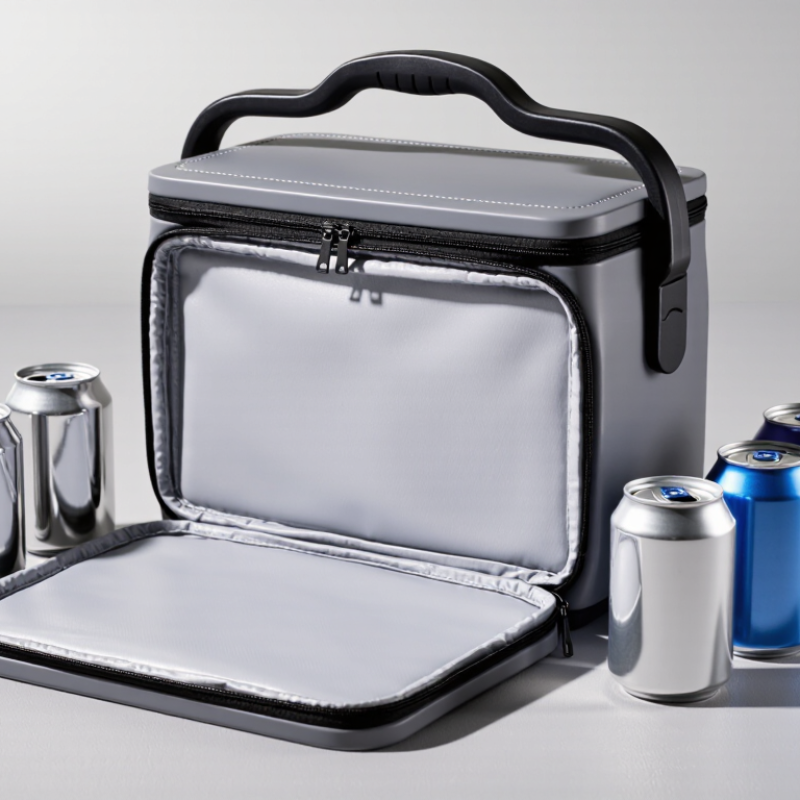
A well-designed Can Shaped Cooler Box should fit standard beverage cans securely. The inner lining should resist condensation and repeated cleaning. Thick foam can improve thermal retention, but excessive thickness may reduce portability. Buyers should also examine handle strength, seam alignment, logo durability, and carton protection. Small details often expose larger manufacturing habits.
China suppliers offer broad customization options. These include neoprene, polyester, foil lining, printed patterns, and seasonal packaging. However, customization can create uneven results. Colors may shift between batches. Zippers may feel weaker than the approved sample. This is where careful inspection becomes essential.
The best choice depends on climate, transport distance, target price, and usage frequency. No single design wins every market. A cooler for outdoor festivals may need a stronger handle, while a promotional model may prioritize appearance. Buyers should compare samples, test insulation, and confirm quality controls before placing large orders. The process is not always smooth. That is precisely why evidence matters.
What Is a Can-Shaped Cooler Box?
What Is a Can-Shaped Cooler Box?
A can-shaped cooler box is an insulated container designed to resemble an oversized beverage can. Its cylindrical body holds ice, chilled drinks, or small food items. The form is practical, not only decorative. It fits naturally beside picnic tables, outdoor counters, and event displays.
Most models use closed-cell foam, insulated fabric, or molded plastic walls. These materials slow heat transfer between the contents and surrounding air. A well-made box usually includes a zippered lid, waterproof lining, reinforced handles, and a stable base. Check the internal diameter carefully. A standard 330-milliliter can is roughly 66 millimeters wide and 115 millimeters tall. Larger drink cans need more clearance.
The shape is clever, but not automatically efficient. A round interior can leave unused gaps around square food containers. That matters during transport. Grand View Research projects the global coolers market to grow at roughly 6% annually through 2030, supported by outdoor recreation and portable storage demand. This trend favors compact, recognizable designs, including can-shaped coolers. However, market growth does not prove thermal performance. Buyers should request independent testing, insulation thickness, leakage results, and temperature-retention data. The International Organization for Standardization also emphasizes clear testing conditions for comparable thermal claims. Without those details, “keeps drinks cold” remains vague. Real use is messier. Sunlight, frequent opening, and warm cans can reduce cooling time significantly.
How to Compare Materials, Insulation, and Capacity
For global buyers, the best can-shaped cooler box is not always the thickest or largest. Compare materials under real use conditions. A rigid outer shell resists warehouse knocks and damp loading areas. Food-grade plastic is easy to wipe, while fabric panels reduce weight but may absorb moisture. Check zipper quality, stitching, hinges, handles, and lid contact points. Small failures matter. I have seen a cooler look strong online but flex near its base when filled.
Tips: Ask for insulation test details, not only “high performance.” Closed-cell foam usually provides more stable temperature control than thin open-cell padding. A tight lid seal prevents warm air from entering. Test the box with several cans, ice packs, and repeated opening cycles. Capacity claims can mislead. A stated 12-liter volume may leave little usable space after insulation. Measure the internal length, width, and height. Check whether standard cans stand upright without pressing against the lid.
For hot destinations, compare heat retention at 30°C or higher, not only indoor figures. A 24-can cooler may be awkward for one person to carry. A smaller model can perform better when packed fully. Excess empty air may increase temperature changes. I would also inspect drainage, washing convenience, odor after cleaning, and handle comfort. These details are easy to overlook and difficult to correct after shipment. Product photos cannot replace a sample test.
Which Features Matter to Global Buyers?
When sourcing a can-shaped cooler box from China, global buyers need more than a compact appearance. The first practical question is temperature retention during real transport. Buyers should check insulation thickness, liner quality, seam construction, and zipper resistance. Test a sample with ice for several hours. Do not judge performance from photos alone. Cold retention changes with outdoor heat and opening frequency.
Capacity must match the can size and the user’s hand. A box that holds twelve cans may become uncomfortable when fully loaded. Reinforced handles, balanced weight, and a wide opening matter at outdoor events and retail displays. Waterproof fabric helps, but stitched seams can still leak. A removable liner makes cleaning easier. Small drainage details are often overlooked. They should not be.
For international orders, consistent production matters as much as product design. Request measured dimensions, material specifications, carton details, and inspection records. Color accuracy and logo placement need approved samples. Packaging should protect corners without wasting shipping space. Buyers may also request food-contact material information and relevant testing documents for their target market. One honest limitation remains: thicker insulation increases weight and freight costs. The cheapest option can become expensive after damage, returns, or slow handling. Improvements should follow usage data, not assumptions.
How to Select a Reliable Chinese Supplier
China Best Can Shaped Cooler Box for Global Buyers?
How to Select a Reliable Chinese Supplier
A reliable supplier should show more than attractive product photos. Request factory videos, production details, and recent quality records. Check whether the supplier makes cooler boxes in-house or outsources key processes. This difference affects consistency and delivery control. Ask for material specifications, insulation thickness, zipper quality, handle strength, and stitching standards. Small details matter. A loose seam can ruin a shipment.
Order samples before discussing large quantities. Test them with ice packs, filled cans, and repeated opening. Measure cooling performance after several hours under similar conditions. Inspect odors, interior lining, drainage design, and surface cleaning. Ask for testing documents relevant to your target market. Documents alone are not enough. Compare them with the actual sample. Some buyers, even experienced ones, trust certificates too quickly.
Supplier communication is equally important. A dependable team should answer technical questions clearly and confirm changes in writing. Review minimum order quantities, lead times, packaging, replacement policies, and payment terms. Request a pre-production sample and an inspection before shipment. A clear contract should define measurements, colors, materials, tolerances, and acceptable defects. No supplier is perfect. I would leave room for honest mistakes, but repeated vague replies are a warning sign. Track each decision in one shared file. That simple habit prevents expensive misunderstandings.