Buy 8mm Ball Bearings for Global Sourcing Needs?
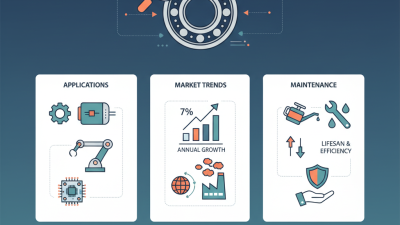
In today's manufacturing landscape, the demand for reliable components is critical. Specifically, 8mm ball bearings are a popular choice across various industries, from automotive to consumer electronics. According to a recent market analysis by Grand View Research, the global ball bearing market is projected to grow significantly, reflecting an increasing reliance on these essential components.
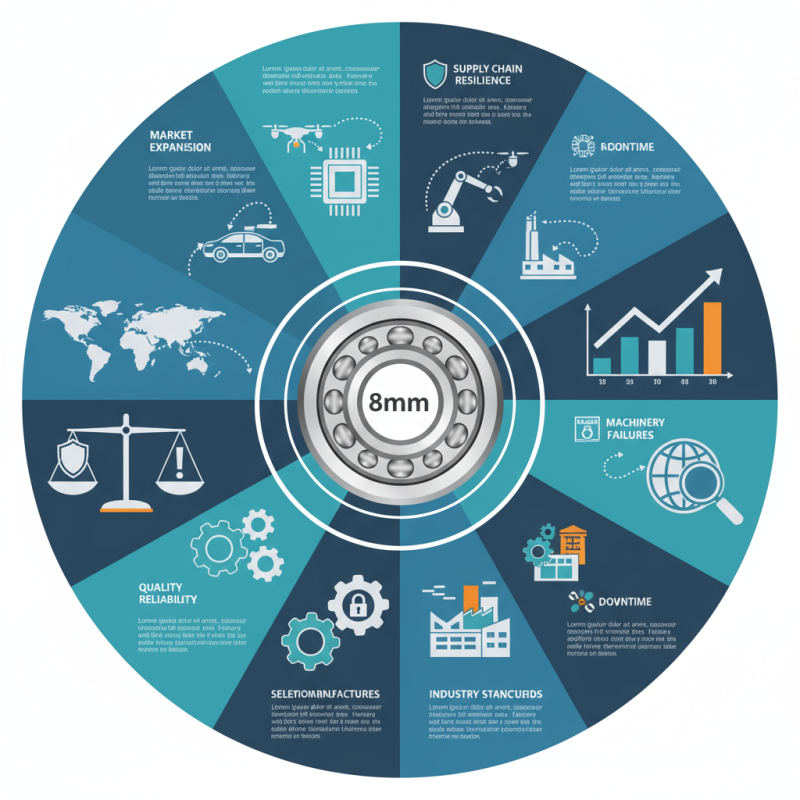
The versatility of 8mm ball bearings makes them ideal for applications that require precision and durability. Companies often seek these bearings to enhance operational efficiency and product longevity. Yet, as demand rises, sourcing the right suppliers becomes vital. Quality and reliability are paramount, as low-grade bearings can lead to machinery failures, increased downtime, and costly repairs.
However, challenges in global sourcing remain. Issues such as fluctuating availability and varying quality standards can complicate procurement processes. Buyers must navigate these challenges carefully. Selecting the right manufacturers and understanding industry standards helps minimize risks and enhance supply chain resilience. As industries continue to evolve, the need for trustworthy sourcing solutions will only increase.
Understanding 8mm Ball Bearings and Their Applications
8mm ball bearings are crucial components in various machinery. They provide smooth rotation, reduce friction, and enhance overall efficiency. These bearings find applications in different sectors, such as automotive, robotics, and industrial equipment. Their size is ideal for compact setups where space is limited.
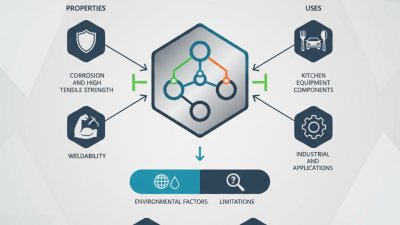
Understanding the materials used in ball bearings is key. Common materials include stainless steel and ceramic. Each material offers distinct advantages, such as corrosion resistance and durability. As industries evolve, the demand for reliable bearings increases. Manufacturers need to consider the specific requirements of their applications.
Despite their ubiquity, not all 8mm ball bearings are created equal. Variations in design and quality can impact performance. A thorough assessment of operational needs is essential. Sometimes, a less expensive option can lead to premature failure. It’s vital to weigh the pros and cons carefully. Making the right choice requires attention to detail and an understanding of the operating environment.
Factors to Consider When Sourcing 8mm Ball Bearings Globally
Sourcing 8mm ball bearings on a global scale requires careful consideration of several factors. The quality of materials used is paramount. Low-quality bearings can lead to early failures and costly downtime. Investigating the manufacturing processes helps to ensure durability and performance. Certifications from recognized bodies can provide assurance of quality standards.
Cost is another critical aspect. While cheaper options may seem appealing, they often sacrifice reliability. Balancing cost and quality is essential. Vendors should provide clear pricing structures without hidden fees. Communication is crucial throughout the sourcing process. Establishing a reliable line of communication with suppliers fosters trust. It also helps address issues promptly as they arise.
Understanding regional regulations is essential when looking internationally. Each country has different compliance requirements. Researching these can save time and avoid legal complications. Logistics also play a significant role in sourcing. Shipping times and methods can affect project timelines. Planning for potential delays is wise. This proactive approach ensures smoother operations.
Popular Manufacturers and Suppliers of 8mm Ball Bearings
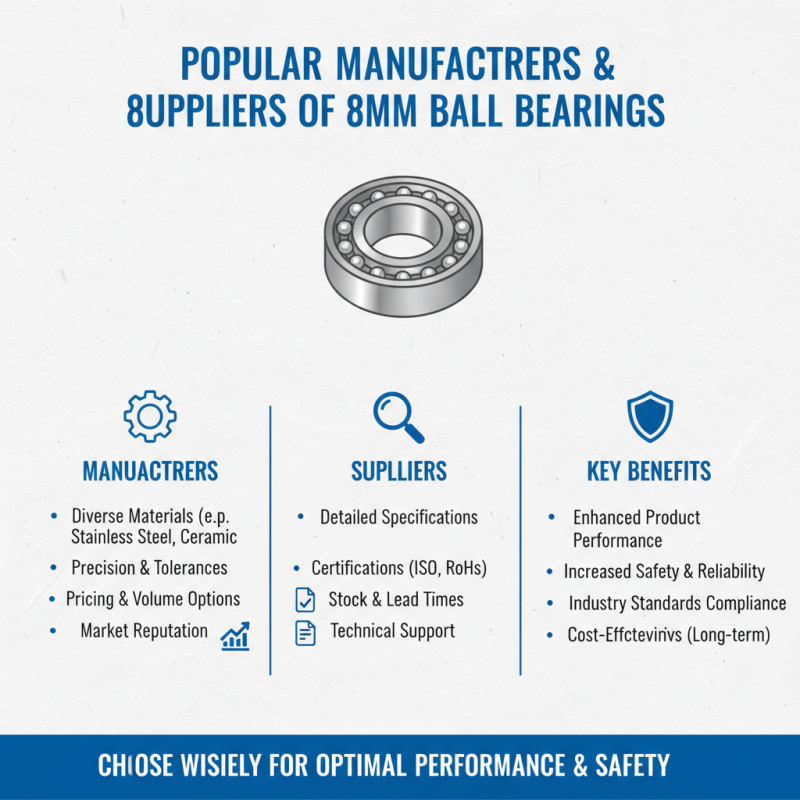
When sourcing 8mm ball bearings, choosing the right manufacturers and suppliers is crucial. A variety of manufacturers offer diverse options in terms of materials, precision, and pricing. It's important to consider their reputation in the market. Reliable suppliers often provide detailed specifications and certifications. This ensures the bearings meet industry standards, which could enhance product performance and safety.
Tips: Always check for product reviews. They can provide insights into the supplier's reliability. Look for manufacturers that offer a range of products. This may simplify purchasing if you have varying needs.
Different suppliers may have unique strengths. Some might excel in bulk orders, while others could focus on quick shipping for smaller quantities. Understanding your specific requirements will help in selecting the right partner. Also, consider their customer service quality. Poor communication can lead to misunderstandings, impacting your projects.
Tips: Don’t hesitate to ask for samples. Testing materials before bulk purchasing can prevent costly mistakes. Establish clear communication to set expectations that meet your needs.
Quality Standards and Certifications for 8mm Ball Bearings
When sourcing 8mm ball bearings, understanding quality standards and certifications is crucial. Reliable ball bearings are essential for various applications, from machinery to electronics. According to the International Organization for Standardization (ISO), bearings must meet strict quality metrics to ensure performance and safety. Compliance with ISO 9001 certification indicates that a manufacturer adheres to quality management systems. This certification assures customers of consistent product quality.
Beyond ISO certifications, customers should look for specific performance standards. An AFBMA (Anti-Friction Bearing Manufacturers Association) rating provides insight into load capacity and durability. A report by B2B Market Research states that bearings can fail without proper quality checks, leading to costly downtimes. Manufacturers must also consider environmental factors. Temperature fluctuations and dust exposure can affect performance.
Testing methods like fatigue testing and dimensional accuracy validation are vital. These checks help ensure that 8mm ball bearings operate effectively throughout their lifespan. While many suppliers claim high standards, it's essential to verify their claims through third-party audits. Transparency in production processes often indicates reliability. Always demand clear documentation to back up certifications.
Buy 8mm Ball Bearings for Global Sourcing Needs? - Quality Standards and Certifications for 8mm Ball Bearings
| Dimension |
Material |
Load Rating (kg) |
Certification |
Lubrication Type |
| 8mm |
Chrome Steel |
10.5 |
ISO 9001 |
Grease |
| 8mm |
Stainless Steel |
9.0 |
DIN EN ISO 9001 |
Oil |
| 8mm |
Plastic |
5.5 |
RoHS |
Dry |
| 8mm |
Ceramic |
12.0 |
ISO 14001 |
Oil |
Cost Analysis and Budgeting for Global Sourcing of 8mm Bearings
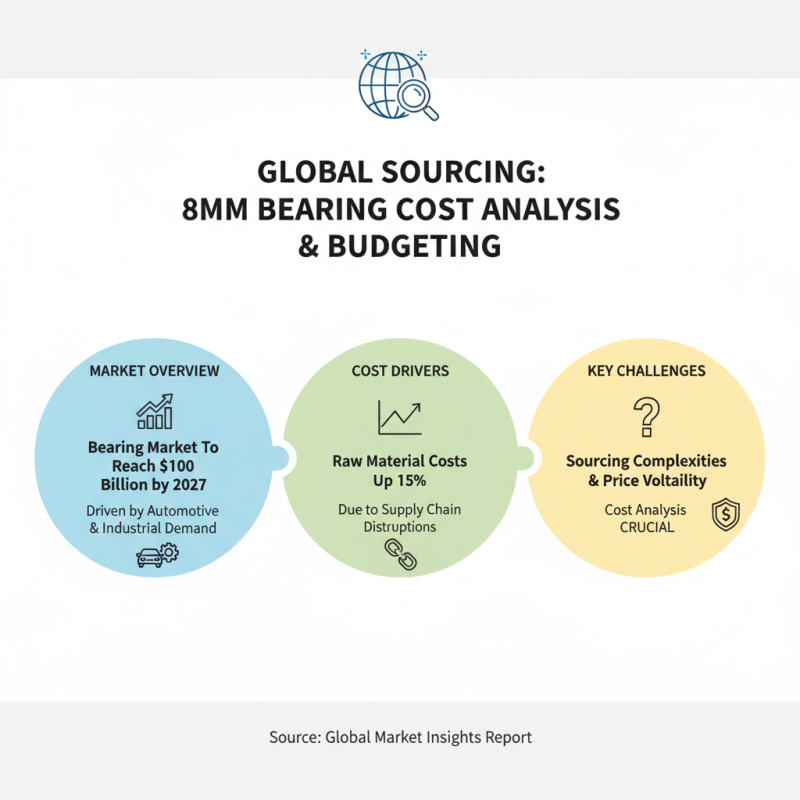
When considering global sourcing of 8mm ball bearings, cost analysis is crucial. In a recent report by the Global Market Insights, the bearing market is expected to reach $100 billion by 2027, driven by increasing demand in automotive and industrial sectors. However, sourcing challenges and variations in pricing exist. For instance, raw material costs have surged by 15% over the past year due to supply chain disruptions.
Budgeting effectively requires understanding these cost fluctuations. The average price of 8mm ball bearings can vary by region and supplier. In some cases, costs differ by as much as 20% depending on the source. This disparity emphasizes the need for thorough market research. Engaging with multiple suppliers can help secure the best deals, yet it takes time and expertise.
Additionally, consider the hidden costs linked to global sourcing. These may include shipping fees, tariffs, and quality control expenses. A 2021 report by Technavio highlighted that around 30% of businesses experience unexpected costs in their global sourcing operations. Recognizing these overlooked elements can lead to more accurate budgeting and profitability forecasts.