What is the Best Y Type Strainer for Global Buyers?
When it comes to selecting a Y type strainer, global buyers are often faced with numerous options. Understanding the nuances of various models is crucial. A Y type strainer effectively filters out debris in pipelines, ensuring system efficiency. However, not all strainers are created equal. The material, size, and design significantly impact performance and longevity.
Buyers must consider their specific application needs. For instance, a stainless steel Y type strainer might be ideal for high-pressure systems, while a plastic variant suits less demanding environments. Reliable suppliers share detailed specifications that help buyers make informed choices. Remember, the right strainer can prevent costly maintenance issues down the line.
Yet, despite available information, many still face challenges. Some buyers may overlook essential details, leading to suboptimal decisions. It's important to seek expert advice and thoroughly evaluate products. A well-chosen Y type strainer not only saves time but enhances overall system performance. Careful selection is key to achieving the best results in any application.
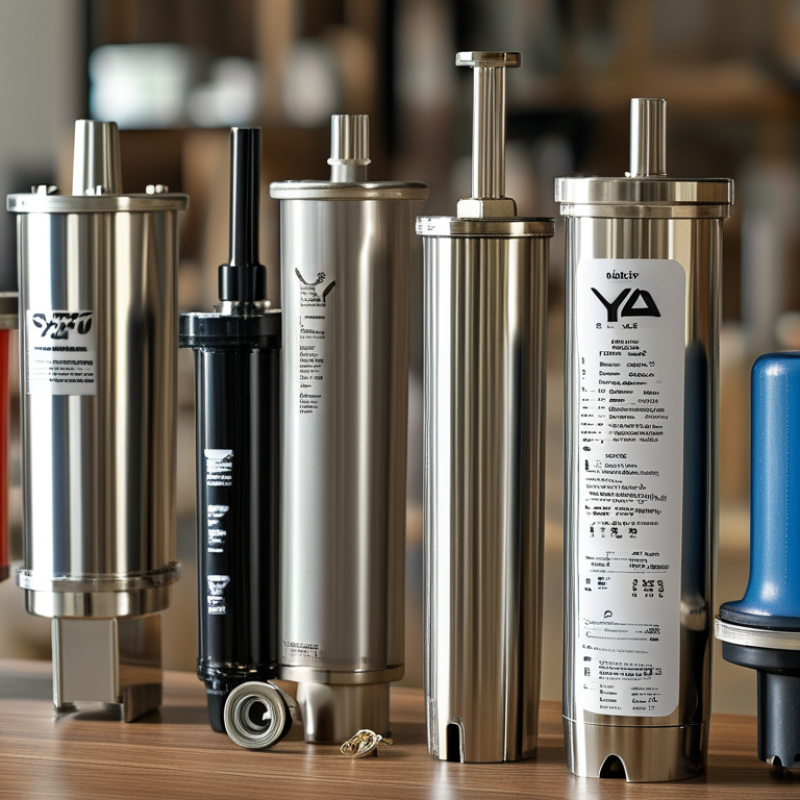
Understanding Y Type Strainers: Definition and Functionality
Y type strainers serve a crucial role in filtering out unwanted particles from fluids. Their design features a "Y" shape, allowing for effective flow and sediment capture. These strainers are typically installed in pipelines to protect pumps, valves, and other equipment from damage caused by debris.
Understanding the functionality of Y type strainers is essential for maintaining system efficiency. They use a mesh filter that traps particulates. Regular maintenance is necessary to ensure optimal performance. If the filter clogs, it can lead to reduced flow and increased pressure. Users should consider the material and mesh size according to the fluid type.
Choosing the best Y type strainer can be challenging. Prospective buyers must assess specific needs, such as flow rates and operational conditions. A thorough evaluation of materials, mesh design, and maintenance requirements is vital. This process often reveals nuances that can lead to better filtration and system longevity. It’s important to be aware that not all strainers fit every application. Adjustments may be necessary as systems evolve.
Key Factors to Consider When Choosing a Y Type Strainer
Choosing the right Y type strainer is crucial for many industries. When selecting one, consider the material. Common options include stainless steel and plastic. Each has its benefits, depending on the application. Stainless steels offer durability, while plastics can prevent corrosion in specific conditions.
The size of the strainer is another essential factor. It needs to match the pipeline to ensure efficient filtration. An improperly sized strainer can lead to inadequate operation. Pay attention to the mesh screen, as it determines what particles are filtered. A finer mesh catches smaller debris but may require more frequent cleaning.
Compatibility with the system is vital. Ensure the strainer works well with liquids or gases used in your processes. Pressure ratings also matter. Select a strainer that can handle your system's pressure without failing. Often, buyers overlook the importance of quality. A wrong choice can lead to costly downtime and repairs. Focusing on these aspects will enhance performance and reliability in various applications.
Top Brands and Models of Y Type Strainers for Global Markets
Y type strainers are essential for various industries, including oil and gas, water treatment, and food processing. They help filter out debris and contaminants, ensuring smooth operation of pipelines and machinery. According to a report from a leading industry research firm, the global market for Y type strainers is expected to grow at a CAGR of 5.7% over the next five years. This growth is driven by increased industrial activities and the demand for efficient filtration solutions.
When selecting a Y type strainer, global buyers should consider several factors. Key attributes include material, size, and filtration capability. Stainless steel models are preferred for their durability and resistance to corrosion. However, the selection can be tough. For instance, buyers must evaluate the flow rates and the type of contaminants needing filtration. Different models offer varying mesh sizes, impacting efficiency. The industry lacks a one-size-fits-all solution, which can lead to mismatched choices that affect performance.
Additionally, while many brands provide reliable options, not all models live up to their promises. Some strainers may clog quickly or fail under high-pressure conditions. A recent study indicated that about 15% of installed strainers do not perform as expected, leading to costly downtime. Buyers need to conduct thorough research and seek expert guidance to navigate these challenges. Industry experts recommend focusing on reputable suppliers that offer comprehensive technical support and warranty options.
What is the Best Y Type Strainer for Global Buyers? - Top Brands and Models of Y Type Strainers for Global Markets
| Model | Material | Size (inch) | Connection Type | Max Pressure (psi) | Flow Rate (GPM) |
| YTS-100 | Stainless Steel | 2" | Threaded | 150 | 80 |
| YTS-200 | Carbon Steel | 3" | Flanged | 200 | 120 |
| YTS-300 | Ductile Iron | 4" | Welded | 250 | 200 |
| YTS-400 | Bronze | 1.5" | Threaded | 145 | 60 |
| YTS-500 | PVC | 2.5" | Slip | 100 | 75 |
Material Types and Their Impact on Y Type Strainer Performance
When selecting a Y Type Strainer, material choice significantly influences its performance. Common materials include stainless steel, bronze, and PVC. Each type caters to different applications and environments. For instance, stainless steel provides excellent corrosion resistance, making it ideal for harsh chemicals. According to a report by the International Journal of Industrial Chemistry, stainless steel strainers demonstrate better longevity, reducing the frequency of replacements by up to 30%.
Bronze offers good resistance to rust and is suitable for marine and freshwater applications. However, it may not perform well in environments with high salinity. PVC strainers are lightweight and economical, but they may warp under high temperatures. An industry survey found that 45% of buyers prioritize material selection to ensure consistent performance in their operations.
Tip: Always consider the environment in which the strainer will operate. High temperatures or corrosive substances require durable materials. It is essential to match the strainer material with the specific needs of your application.
Understanding the impact of material is vital. Some users overlook this, leading to premature failures. Regularly reviewing material specifications can prevent these mistakes. When in doubt, consult with industry experts to ensure the right choice. Doing so can enhance operational efficiency and reliability.
Performance Comparison of Different Y Type Strainer Materials
Applications of Y Type Strainers Across Different Industries
Y Type strainers play a crucial role across various industries, ensuring the smooth operation of piping systems. In oil and gas, these strainers are vital for protecting pumps and other equipment from debris. According to a 2022 industry report, around 30% of operational failures in these sectors can be traced to contaminants. This emphasizes the need for reliable filtration solutions.
In the food and beverage industry, Y Type strainers help maintain product safety and quality. They filter out unwanted particles during processing, ensuring compliance with health standards. A study indicated that improper filtration could result in a 15% increase in product waste. This can significantly impact profit margins and consumer confidence.
Tips: Regular maintenance of Y Type strainers is essential. Operators should check them frequently to avoid blockages. Installing strainers with a mesh size suited to the system's needs can enhance efficiency. Selecting the right materials for strainers is also crucial; corrosion resistance is vital in water treatment applications. As industries evolve, the need for innovative strainer designs continues to grow, reflecting the complexities of modern pipelines.