
MON - FRI 8AM - 5PM

What Type of Sliding Closet Door Is Best?

Choosing the right closet door can change how a room feels and functions. Sliding Closet Doors save floor space, but their performance depends on more than appearance. Track quality, panel weight, opening width, and daily use all matter. A beautiful door can still disappoint if it rattles, sticks, or blocks half the storage area.

This guide compares common options, including bypass, pocket, barn-style, mirrored, glass, and solid-panel doors. Each type offers practical benefits and noticeable compromises. Bypass doors work well in narrow bedrooms, while pocket doors create a cleaner opening when wall space allows. Mirrored panels brighten dark rooms, although they need regular cleaning and careful handling. Solid wood or engineered panels feel warmer, but their weight demands a reliable track system.

Small details matter. Measure the opening at several points, not just once. Check whether the floor is level and whether furniture may interfere with movement. A soft-close mechanism can reduce noise, but inexpensive hardware may fail sooner than expected. No option is perfect.

The best choice depends on your room, budget, storage habits, and installation conditions. In the following sections, we will examine durability, accessibility, maintenance, privacy, and visual style. The goal is not to promote one universal design. It is to help you choose a door that remains practical after the showroom appeal fades. A little skepticism helps.
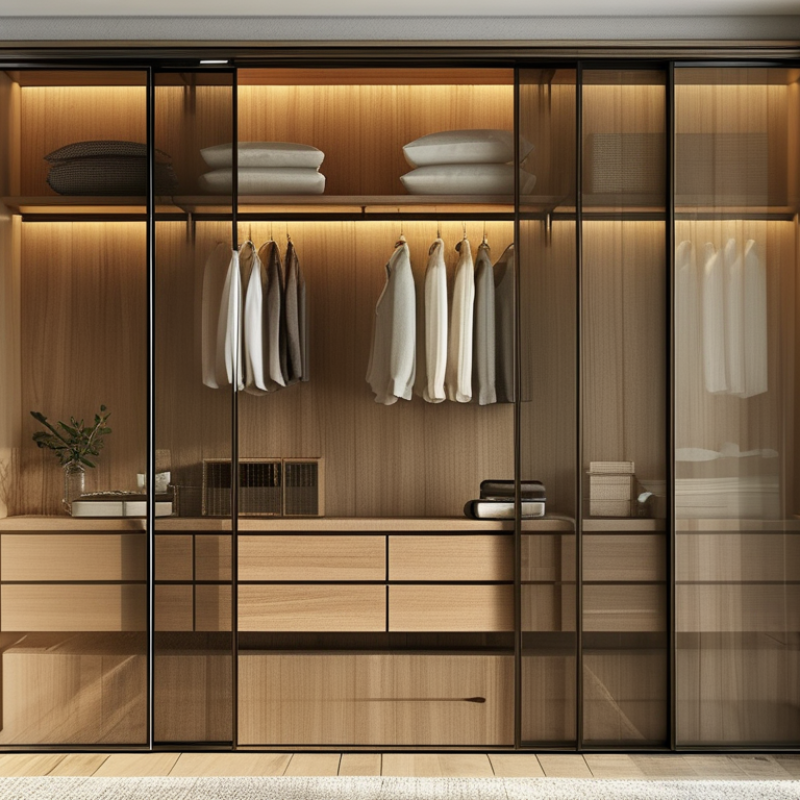
What Type of Sliding Closet Door Is Best?

Types of Sliding Closet Doors and Their Key Features

What Type of Sliding Closet Door Is Best?

Sliding closet doors save floor space, but each type handles movement differently. Bypass doors overlap on two or three tracks, making them practical for narrow bedrooms. They are usually affordable, though one panel always hides part of the closet. Pocket doors slide into the wall and create a cleaner opening. However, installation may require structural changes.

Barn-style doors offer strong visual character and simple hardware, but they need clear wall space beside the closet. Folding sliding doors open wider, yet their hinges and rollers need careful adjustment.

Material changes daily performance. Mirrored panels brighten a dark room and make dressing easier. Glass panels look lighter, but fingerprints become obvious near the handle. Solid wood or engineered panels reduce visual clutter and often feel quieter.

According to the National Association of Home Builders’ 2024 What Home Buyers Really Want report, 50% of buyers rated a primary-bedroom walk-in closet essential or desirable. That demand makes access important, not decorative.

Track quality matters more than appearance. A door should roll smoothly without scraping, wobbling, or jumping its guide. The Freedonia Group identifies renovation and replacement activity as major drivers in the U.S. doors market, reflecting continued attention to durable upgrades.

In my experience, homeowners often choose oversized mirrored panels, then regret the cleaning work. I still prefer a lightweight bypass system for compact rooms.

Measure twice. Leave space for handles, trim, and future adjustment.

How to Compare Materials, Designs, and Operating Mechanisms

What Type of Sliding Closet Door Is Best?

Choosing the best sliding closet door depends on material, design, and operating mechanism. Each choice affects weight, maintenance, privacy, and daily comfort.

Solid wood offers warmth and strength, but it can warp in humid rooms. Medium-density fiberboard costs less and has a smoother painted surface. Glass or mirrored panels make a small bedroom feel larger. However, they need safety film and careful handling. Aluminum frames stay light and resist moisture, while steel frames feel stronger but add weight.

A practical installer checks the wall, floor, and opening before choosing a panel. Measure twice. Small errors create frustrating gaps.

Panel design also changes access. Bypass doors save floor space, yet one panel always covers part of the closet. Bi-fold designs reveal more storage, but their hinges and pivots need accurate alignment. Full-length mirrors improve visibility, though fingerprints become obvious near handles. Narrow panels may feel easier to move, but they require more tracks and hardware. I once preferred a wide panel for its clean appearance, then noticed how awkward it felt beside a crowded dresser. Appearance can mislead.

Top-hung systems create a cleaner floor line and roll quietly when installed correctly. Bottom-rolling systems support heavier doors, but their tracks collect dust and hair.

Look for adjustable rollers, stable guides, and a track rated above the door’s actual weight. Soft-close hardware reduces slamming, though it can complicate repairs.

Sound matters. Test the movement several times before final installation, and inspect the frame for twisting. A reliable choice is not always the most stylish one.

Best Sliding Door Options for Different Closet Sizes

For a compact reach-in closet, choose a two-panel bypass sliding door. It needs no door swing, so a narrow bedroom keeps more usable floor space. The National Association of Home Builders’ 2024 What Home Buyers Really Want report places the median preferred home size at 2,067 square feet. Smaller homes need every inch to work harder. Slim framed glass or mirrored panels can also reflect light, but they show fingerprints quickly.

For a medium closet, consider a three-panel bypass system. It exposes more storage at once, which helps when shirts, shoes, and drawers share one wall. Leave enough front clearance for comfortable dressing. A recessed track can reduce visual clutter, while soft-close hardware limits impact and noise. Test the rollers in person. A beautiful door that rattles will age badly.

Large walk-in closets offer more flexibility. Bi-fold sliding panels provide wider access than standard bypass doors, especially near corner shelving. Pocket-style doors can save space, but installation requires a suitable wall cavity and careful framing. The National Kitchen and Bath Association’s planning guidance commonly favors generous circulation zones, yet real homes rarely provide perfect dimensions. Measure the opening, trim, flooring, and handle clearance twice. I would not rely on advertised opening sizes alone. Walls shift, floors slope, and those small errors matter. Erotiske

Installation, Space, and Maintenance Factors to Consider

What Type of Sliding Closet Door Is Best?

Installation, space, and maintenance should guide the choice more than appearance. For most bedroom closets, bypass doors offer the simplest retrofit. They hang from a top track and need less wall preparation than pocket doors. However, both panels overlap, so part of the closet remains hidden. A 60-inch opening may provide only about 30 inches of access at once.

Pocket doors save wall space, but installation is demanding. The wall must accept a recessed frame without plumbing, wiring, or structural conflicts. Professional installers often need to open the drywall, align the pocket frame, and repair the surface afterward. This can make the project expensive. The 2024 Remodeling Futures Program from Harvard’s Joint Center for Housing Studies projected nearly 485 billion dollars in U.S. remodeling spending. That scale reflects demand, but it also supports careful planning before demolition.

Maintenance is easy to underestimate. Choose corrosion-resistant tracks, adjustable rollers, and removable guides. Vacuum the bottom channel every few months. Dust and pet hair can make a smooth door feel defective. Panel weight matters, too. Heavy glass may glide beautifully at first, yet it demands stronger hardware and precise alignment. A 2023 residential hardware maintenance survey by a professional trade association found that track contamination and roller wear were frequent service complaints. The finding is practical, though survey methods vary.

For narrow rooms, bypass doors usually balance cost and access. For a new build, pocket doors can create cleaner circulation. Barn-style sliders save floor space, but their wall clearance can reduce privacy and allow more dust. I would not choose them automatically.

What Type of Sliding Closet Door Is Best? - Installation, Space, and Maintenance Factors to Consider

Door Type Typical Configuration Installation Complexity Space Required Access to Closet Maintenance Needs Main Advantages Potential Limitations Best Suited For
Standard Bypass Sliding Doors Two or more panels that slide past one another on parallel tracks Low to moderate; requires accurate track alignment and secure header support No floor swing area; needs a straight wall opening and overhead track space Partial; one section remains covered when another panel is open Clean tracks, remove debris, and adjust or replace rollers when movement becomes rough Space-efficient, widely compatible, and generally economical Limited full-width access; uneven floors or poorly aligned tracks can cause binding Most standard reach-in closets and bedrooms with limited floor space
Triple-Panel Bypass Doors Three panels arranged on multiple parallel tracks Moderate; requires careful measuring, track installation, and panel adjustment No floor swing area, but the opening must accommodate deeper or layered tracks Better than a two-panel bypass system, but not usually complete at one time Track cleaning and roller inspection are important because additional panels increase hardware load Provides a wider usable opening while preserving floor space More hardware, greater installation precision, and potentially higher adjustment needs Wide closets where a larger opening is needed without hinged-door clearance
Surface-Mounted Barn-Style Sliding Doors One or two panels mounted on a visible rail above the closet opening Moderate to high; the rail needs solid structural anchoring and accurate leveling Requires clear wall space beside the opening equal to approximately one door width Usually partial with one panel; two panels can provide a wider central opening Inspect rail fasteners, keep the track free of debris, and check anti-jump hardware Decorative appearance and no recessed pocket or floor track required Wall space is blocked when open; may reduce access to switches, outlets, or trim Rooms needing a visible design feature and having sufficient adjacent wall space
Mirrored Sliding Doors Sliding panels fitted with full-height or partial mirror surfaces Moderate; panels are heavier and require properly rated tracks and rollers No floor swing space; use the same wall and opening requirements as the selected track system Typically partial with bypass panels Clean with non-abrasive products and inspect edges, frames, rollers, and track alignment Adds a full-length dressing mirror and can reflect light in smaller rooms Heavier panels require careful handling; damaged glass may require professional replacement Bedrooms, dressing areas, and compact rooms where a separate mirror would take space
Frosted or Textured Glass Sliding Doors Opaque or translucent glass panels on a bypass or surface-mounted track Moderate to high; requires compatible hardware and careful panel handling No floor swing area; wall and track clearance depend on the mounting system Partial with bypass layouts; broader access is possible with multiple panels Wipe glass regularly, protect edges, and keep rollers and tracks clean Allows light while providing more visual privacy than clear glass Heavier and generally more costly than lightweight solid panels; fingerprints may be visible Contemporary interiors where light transmission and privacy are both desirable
Pocket Sliding Doors A panel slides into a recessed pocket inside the wall High for new construction; requires a suitable wall cavity and careful pocket framing Minimal floor and wall clearance when open; the wall must be deep enough for the pocket Full opening access with one panel Keep the track clean and service rollers through removable hardware or access panels where provided Maximizes usable floor and adjacent wall space when open Difficult to retrofit; plumbing, wiring, and structural elements may restrict installation New construction or major renovations with suitable wall cavities
Practical selection guide: Standard bypass doors are usually the most balanced choice for typical reach-in closets. Choose pocket doors when full opening access and maximum clearance are priorities, or surface-mounted barn-style doors when adjacent wall space and appearance are more important than concealed hardware.

How to Choose the Right Sliding Closet Door for Your Home

The best sliding closet door depends on your room, storage habits, and installation limits. Measure the opening, wall depth, ceiling height, and nearby furniture before choosing a style. Bypass doors suit narrow bedrooms because panels overlap and need little floor clearance. Bifold doors expose more of the closet, but their hinges and pivots need regular adjustment. Pocket doors create a clean look, though they require suitable wall construction.

NAHB’s 2024 What Home Buyers Really Want survey ranks primary-bedroom closets among highly valued storage features. That finding supports investing in smooth access, not merely attractive panels. Choose strong rollers, a stable track, and soft-close hardware for frequent daily use. If the closet faces a busy hallway, solid panels reduce visual clutter. Mirrors can brighten a small room, but they show fingerprints quickly. I would not choose them automatically.

The 2024 U.S. Houzz & Home Study also identifies storage improvements as a recurring remodeling priority. Use that trend carefully. A fashionable door may still fail if its track collects dust or its panels feel heavy. Test the movement in a showroom when possible. Check the door’s weight rating and allow enough hand clearance. For homes with children, secure glass panels and rounded hardware deserve extra attention. My first choice can be wrong. Door performance matters more than a perfect photograph.

Request a Quote

To learn more about any of the products and services provided by Abbott Ball Company, Inc., simply complete the form below.