Best Stainless Steel Bearings for Durability and Performance?
When it comes to choosing the right bearings, stainless steel bearings stand out for their durability and performance. These bearings are often preferred in various industries due to their resistance to corrosion and wear. High-quality stainless steel bearings can improve the longevity of machines, making them an essential component in many applications.
However, not all stainless steel bearings are created equal. Some may lack the necessary precision or strength for heavy-duty tasks. It’s crucial to consider the specific requirements of your project. The choice of material, design, and lubrication can significantly impact the bearing's performance. Reflecting on these factors can lead to better decisions in your selection process.
Additionally, the market offers a range of options. Some manufacturers prioritize cost over quality, which can affect durability. It's essential to research and understand your choices thoroughly. A deeper knowledge of stainless steel bearings can help you avoid potential pitfalls in your applications. After all, investing in the right bearings can save time and resources in the long run.
Best Stainless Steel Bearings: An Overview of Types and Applications
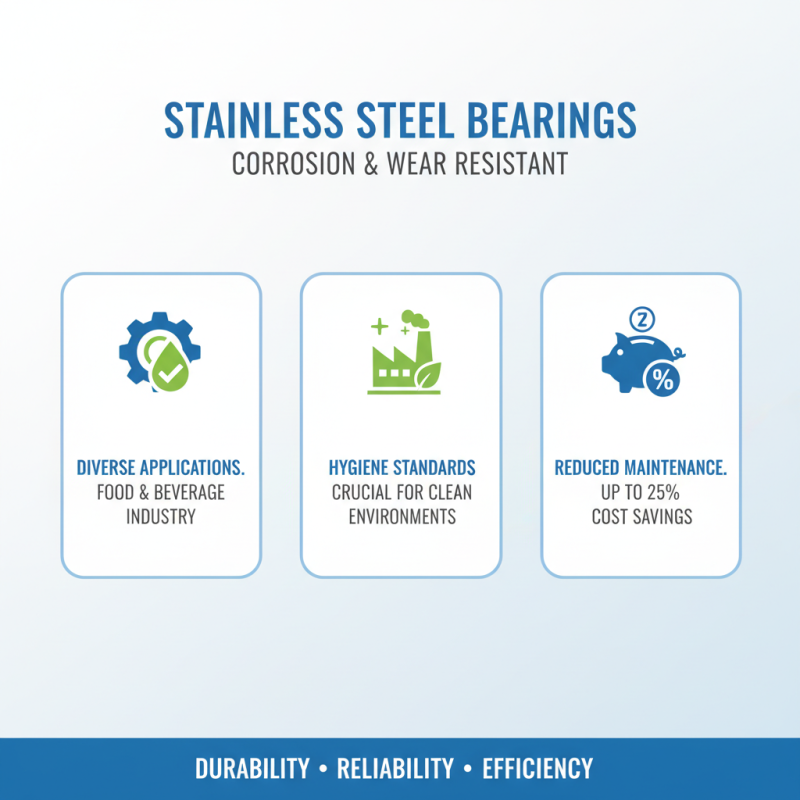
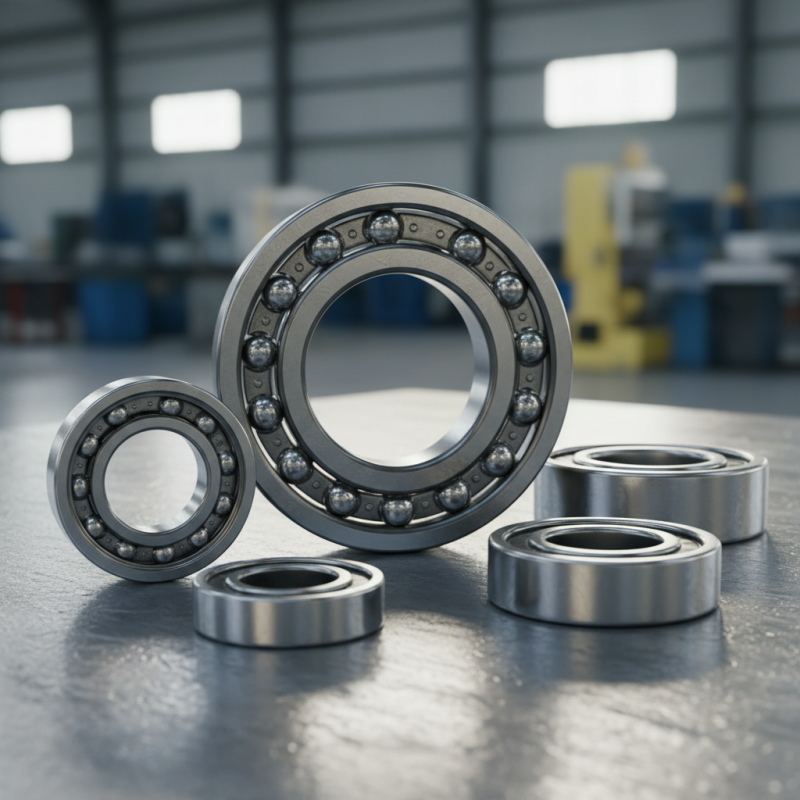
When it comes to stainless steel bearings, they serve diverse applications across various industries. These bearings are commonly used in environments that demand high resistance to corrosion and wear. For instance, the food and beverage sector frequently utilizes these bearings due to hygiene standards. Reports indicate that stainless steel bearings reduce maintenance costs by up to 25% due to their durability.
There are several types of stainless steel bearings, including radial, thrust, and angular contact bearings. Each type offers specific benefits. Radial bearings provide support for loads applied perpendicular to their axis. Meanwhile, thrust bearings handle loads parallel to their axis. Understanding the specific requirements of a project is crucial. Unfortunately, some users overlook this and select unsuitable bearing types.
Applications extend beyond food processing to automotive and medical devices. A study suggests that demand in the automotive sector is projected to grow by 5% annually. This growth further emphasizes the importance of understanding each bearing's role. Ignoring this can lead to performance issues. Selecting the right bearing increases efficiency and lifespan. However, it’s easy to make mistakes by prioritizing cost over quality.
Key Factors Affecting Durability in Stainless Steel Bearings
When considering stainless steel bearings, several factors influence their durability. Material quality is critical. High-grade stainless steel provides better resistance to rust and corrosion. This ensures longevity, even in harsh environments. However, not all applications require premium materials. Sometimes, choosing a lower grade can lead to performance issues.
Another factor is the bearing's design. A well-engineered bearing minimizes friction. This directly impacts efficiency and lifespan. Yet, many overlook bearing clearance. Too tight or too loose can lead to failures. Performance can drop significantly if these aspects are ignored.
Environmental conditions matter too. Bearings exposed to moisture or chemicals need more protection. Even with stainless steel, constant exposure can lead to deterioration. Regular inspections can catch issues before they escalate. It's essential to find a balance between cost and durability. Sometimes, compromises lead to unexpected outcomes.
Best Stainless Steel Bearings for Durability and Performance
This chart illustrates key factors affecting durability in stainless steel bearings, showcasing how corrosion resistance, load capacity, speed rating, temperature range, maintenance, and cost contribute to their overall performance.
Performance Metrics: Load Capacity and Speed in Bearing Selection
When selecting bearings, load capacity and speed are crucial performance metrics. Load capacity indicates how much weight a bearing can support without failure. The more a bearing can bear, the more versatile it becomes. This is especially important in heavy machinery where excessive loads can lead to premature wear.
Speed, on the other hand, affects how quickly a system can operate. High-speed bearings are essential in applications like motors and turbines. However, higher speeds often lead to heat generation. This can cause lubrication breakdown and ultimately failure, which is something to watch out for.
One must balance these factors carefully. Opting for a bearing with a very high load capacity may mean compromising on speed. This can lead to inefficient operation. Ensuring proper lubrication and maintenance is just as important as the initial selection. Choosing the right bearing requires reflecting on the specific needs of your application.
Best Stainless Steel Bearings for Durability and Performance
| Bearing Type |
Load Capacity (N) |
Max Speed (RPM) |
Material |
Application |
| Deep Groove Ball Bearing |
1500 |
6000 |
Stainless Steel |
Automotive |
| Angular Contact Bearing |
2000 |
5000 |
Stainless Steel |
Machine Tools |
| Self-Aligning Ball Bearing |
1200 |
4000 |
Stainless Steel |
Agriculture |
| Thrust Ball Bearing |
1300 |
3000 |
Stainless Steel |
Construction Equipment |
| Spherical Roller Bearing |
2500 |
4500 |
Stainless Steel |
Industrial Machinery |
Corrosion Resistance: Comparing Different Stainless Steel Alloys
When considering stainless steel bearings, corrosion resistance is paramount. Different stainless steel alloys exhibit varying levels of resistance to corrosive environments. For instance, 316 stainless steel is often praised for its enhanced resistance to salt water and chlorides. Studies indicate that it can last up to 25 times longer than standard carbon steel in marine environments. This makes it a preferred choice in applications exposed to harsh conditions.
However, not all stainless steel is created equal. 304 stainless steel, while somewhat cheaper, has lower corrosion resistance. It can suffer pitting and crevice corrosion in chloride-rich settings, potentially leading to faster degradation. According to industry reports, failures due to corrosion account for up to 50% of bearing replacements. This highlights the importance of selecting the right alloy for the job.
Some projects overlook the significance of alloy selection. For example, using 304 instead of 316 in a coastal application may lead to unnecessary costs down the road. While it’s tempting to prioritize initial costs, a failure in performance can have severe implications. An informed choice in stainless steel alloy can enhance durability and overall performance significantly. Evaluating the specific environment and requirements before making a decision is crucial.
Maintenance Best Practices for Maximizing Bearing Lifespan
To maximize the lifespan of stainless steel bearings, regular maintenance is crucial. Industry reports suggest that 50% of bearing failures can be attributed to inadequate lubrication. Proper lubrication prevents wear and tear, allowing bearings to operate efficiently. It's essential to use the right lubricant according to the manufacturer’s guidelines. The environment also plays a role; contaminants can enter bearings, leading to premature failure.
Tips: Check the lubricant level regularly. Clean any debris around the bearing seals.
Another critical aspect is monitoring the operating temperature. Excess heat can degrade the bearing material. Keeping the temperature in check can extend service life significantly. Aim for a stable operating temperature that aligns with specifications. Overheating sometimes goes unnoticed until failure occurs, so routine inspections are key.
Tips: Use infrared thermometers for easy temperature checks. Replace worn bearings before they fail. Always be observant.
Ultimately, a proactive approach to maintenance will yield better performance from stainless steel bearings. Regular inspections and preventive practices cannot be overstated. Neglecting basic upkeep often leads to costly downtime and repairs. A small commitment can ensure better durability and reliability.