
MON - FRI 8AM - 5PM

What Is the Best Type of Pneumatic Butterfly Valve in 2026?

Choosing the best Pneumatic Butterfly Valve in 2026 is less about finding one universal winner and more about matching the valve to its service. A water-treatment line, for example, may favor a resilient-seated design for dependable shutoff and lower cost. A hot process line with frequent cycling may call for a high-performance double-offset valve. For demanding temperatures or tighter sealing requirements, a triple-offset design may be worth evaluating. Small details matter: media composition, pressure, temperature, cycle frequency, and available air pressure can change the decision.

The market context is growing. Grand View Research’s Industrial Valves Market report estimated the global market at USD 78.4 billion in 2023 and projected a 4.4% compound annual growth rate from 2024 to 2030. That broader figure does not prove which butterfly valve performs best, but it reflects the scale of industrial investment behind reliable flow control. The U.S. Department of Energy’s compressed-air guidance also notes that compressed air can represent a significant share of industrial electricity use. So actuator sizing and air consumption deserve attention, not just purchase price.

There is no neat shortcut. A correctly sized actuator, compatible seat, and suitable fail position can matter more than the valve’s label. This guide compares common types, explains where each fits, and identifies the specifications to verify before purchase. One caveat: published ratings do not replace testing against actual process conditions. A datasheet can look convincing. Field performance is what counts.
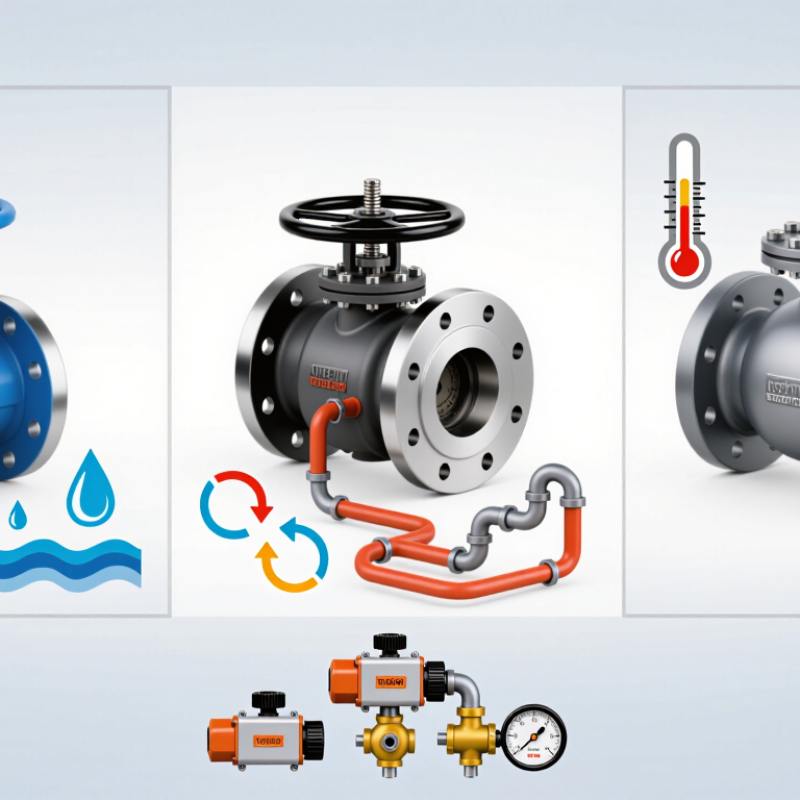
What Is the Best Type of Pneumatic Butterfly Valve in 2026?

How Pneumatic Butterfly Valves Work: 90° Quarter-Turn Operation

A pneumatic butterfly valve uses compressed air to turn a stem and disc through about 90 degrees. In the open position, the disc sits nearly parallel to the flow. A quarter-turn later, it lies across the passage and presses against the seat to stop flow. The movement is simple. The forces are not.

Inside the actuator, a piston or rotating vane converts air pressure into torque. A solenoid valve directs air to the actuator, while a positioner can adjust the disc to a requested angle. This allows some valves to regulate flow, though a butterfly valve may not provide precise control at every setting. Near closed, small disc movements can cause noticeable flow changes. That matters.

In practice, actuator torque must suit the valve size, pressure difference, and seat material. Double-acting actuators use air to open and close; spring-return models move to a chosen position when air supply is lost. That position should match the process needs. A valve can look correctly sized on paper yet struggle when deposits build up or installation alignment is poor. Check the full stroke during commissioning, and confirm that instrument air is clean and dry. Small errors matter.

What Is the Best Type of Pneumatic Butterfly Valve in 2026? - How Pneumatic Butterfly Valves Work: 90° Quarter-Turn Operation
Valve Type Seat and Disc Design Shutoff and Leakage Characteristics Typical Service Key Advantages Selection Considerations 90° Pneumatic Operation
Concentric, resilient-seated The stem and disc are centered in the valve body. A resilient seat, commonly an elastomer, provides the sealing surface. Can provide tight shutoff when the seat material, pressure rating, and test requirements are suitable for the service. Commonly used for water, HVAC, and compatible low- to moderate-pressure utility services. Simple construction, compact installation, and generally economical for compatible services. Confirm chemical compatibility, temperature limits, pressure rating, and whether the valve is intended for on-off or throttling duty. A pneumatic actuator rotates the stem through approximately 90° between open and closed positions. Actuator torque must account for the valve’s rated operating torque and service conditions.
Double-offset, high-performance The stem is offset from the disc center and the seat axis, reducing disc-seat contact during much of the rotation. Designed to reduce seat wear compared with a concentric design. Leakage performance depends on the seat construction, rating, and specified test standard. Often selected for process duties requiring higher pressure or temperature capability than a typical resilient-seated design can provide. Reduced rubbing during operation and a broad choice of seat materials and configurations. Check the actual pressure-temperature rating, seat material, flow direction requirements, and suitability for the process fluid. The actuator provides quarter-turn motion. A double-acting actuator uses air for both directions; a spring-return actuator uses air in one direction and a spring for the other.
Triple-offset, metal-seated Three geometric offsets minimize rubbing, and the sealing surfaces are commonly designed for metal-to-metal contact. Can suit demanding services where a metal seat is required. Achievable leakage class depends on the specific design and applicable test specification. Used in selected high-temperature, high-pressure, or severe-service applications, subject to the valve’s certified limits. Metal seating can support services that exceed the temperature capability of many elastomer seats; the offset geometry helps limit seat wear. Typically requires careful specification and may involve higher cost. Verify leakage requirements, materials, pressure-temperature limits, and actuator torque. A pneumatic actuator turns the valve through approximately 90°. Actuator sizing should use the valve manufacturer’s torque data for the specified differential pressure and operating conditions.
Practical selection: There is no single best type for every application. Match the valve design and seat materials to the fluid, temperature, pressure, leakage requirement, and duty cycle. Pressure and temperature limits vary by design and must be confirmed from the valve’s rated specifications.

Which Designs Are Available: Concentric, Double-Offset, and Triple-Offset

What Is the Best Type of Pneumatic Butterfly Valve in 2026?

The best design depends on the fluid, pressure, temperature, and required shutoff performance. A concentric valve places its disc and stem on the same centerline, with the disc sealing against a resilient seat. This straightforward arrangement often suits water, air, and other moderate-duty services. It is usually compact and economical, but seat wear can increase when the valve cycles frequently or handles abrasive media.

Not always the right fit.

Double-offset valves shift the stem behind the disc and away from the pipe centerline. This geometry reduces rubbing as the disc opens, which can help extend seat life under higher pressures or temperatures. Triple-offset designs add a third angle, creating a cam-like motion that lifts the disc from its metal seat during opening. They are commonly considered for demanding heat, pressure, or tight-shutoff requirements. Actual leakage performance depends on construction and test conditions.

Pneumatic actuator sizing matters just as much as valve geometry. Specify the maximum differential pressure, operating frequency, and preferred failure position; pipe diameter alone is not enough. A valve that works smoothly during a bench test may behave differently with a sticky process fluid.

Small detail, big effect.

In practice, maintenance access and replacement-seat availability can influence the choice, too. Teams sometimes overlook these until the first service interval.

How API 609 Categories and Seat Materials Guide Valve Selection

What Is the Best Type of Pneumatic Butterfly Valve in 2026?

How API 609 Categories and Seat Materials Guide Valve Selection

API 609 categories help narrow the design, but they do not rank valves from best to worst. Category A generally covers resilient-seated designs for lower-pressure service. Category B covers higher-pressure designs, often with offset discs and a wider choice of seat construction. Confirm the applicable edition, pressure-temperature limits, and project specification before comparing products. The category alone is not a complete selection.

Seat material must match the fluid and operating conditions. EPDM may suit water service, while PTFE can handle many corrosive chemicals; neither is suitable for every medium. Check temperature, pressure, concentration, and cleaning chemicals against the manufacturer’s published limits. A seat that looks compatible on a basic chart may behave differently during repeated cycling.

That detail matters.

For a pneumatic valve, also match actuator torque to the valve’s breakaway and running torque at the actual differential pressure. A valve installed on a line with abrasive solids may need a different seat and maintenance plan than one controlling clean water. Specify fail-open or fail-closed behavior where the process requires it, and verify the air supply can deliver the required torque. Site data is sometimes incomplete. Flag assumptions, especially around temperature spikes and cycle frequency, before ordering.

How to Match Actuators: ISO 5211 Mounting and Required Torque

ISO 5211:2017 defines the mounting interface for part-turn actuators, including flange dimensions and drive connections. It does not specify the torque your butterfly valve needs. Check the valve’s certified torque report at the actual differential pressure, fluid, temperature, and seat condition. Use the highest required value across breakaway, running, and seating—not a generic catalogue estimate.

Then match that demand to the actuator’s output at the minimum available air pressure. For spring-return units, check both the air-stroke and spring-stroke torque curves; spring torque can fall sharply near the end of travel. Confirm the ISO 5211 flange, bolt circle, and stem adapter fit, too. A mounting mismatch can turn a sound torque calculation into a site delay. Small detail. Big headache.

EN 593:2017 covers metallic butterfly valves and provides useful context for valve selection, but the project’s valve test data should drive sizing. Apply the specified design margin to the worst-case torque, then verify the actuator’s supply pressure and cycle time. Don’t assume “standard” air pressure is available at the valve: long, narrow tubing and undersized fittings can reduce pressure during operation. One caveat: a tidy spreadsheet can still miss real seat wear or changing process conditions. Recheck the assumptions against commissioning readings.

Which Type Fits Best in 2026: Compare Pressure, Temperature, and Leakage Needs

In 2026, the best pneumatic butterfly valve depends on operating pressure, temperature, and the leakage limit—not simply the valve’s nominal size.

For moderate-pressure water or air service, a concentric, resilient-seated valve is often compact and economical. Its elastomer seat, however, may restrict temperature and chemical compatibility; verify the exact seat material. Double-offset designs reduce seat rubbing and can suit higher-pressure or frequent-cycle duties. Triple-offset, metal-seated valves are options for hotter, demanding service, but require careful installation and can cost more.

Check pressure and temperature together.

ASME B16.34 pressure-temperature ratings vary by body material and pressure class, so “Class 150” alone does not establish suitability. For shutoff, ISO 5208:2015 defines leakage acceptance rates; Rate A allows no visually detectable leakage during the test. That is a test criterion, not a lifetime guarantee. Specify the required rate, test medium, and temperature. Ask the actuator supplier to verify operation at maximum differential pressure and minimum available air pressure. I would not select a triple-offset valve just because it sounds safer; an unsuitable seat material can still cause trouble. Data sheets can leave that detail unclear.

Request a Quote

To learn more about any of the products and services provided by Abbott Ball Company, Inc., simply complete the form below.