
Choosing the right Geo Synthetic Materials begins with the ground, not with a product catalogue. Soil type, rainfall, loading, drainage, temperature, and installation quality can change performance dramatically. A woven geotextile may strengthen a soft roadbed, while a geomembrane may protect a reservoir from leakage. Their roles are different.
This guide examines ten widely used options for global buyers, including geotextiles, geogrids, geomembranes, geocomposites, and geosynthetic clay liners. Each material has a practical purpose, a suitable application, and a possible weakness. Cost matters. So does long-term durability.
Details matter most.
Dr. Jorge G. Zornberg, a recognized geotechnical engineering expert, has emphasized this practical principle: “The selection of geosynthetics must be based on the specific application and site conditions.” That principle should guide every comparison in this article. Laboratory strength alone cannot predict field success. A roll stored under direct sunlight may age before installation. Poor seams can undermine an otherwise excellent liner. Inadequate subgrade preparation can create uneven stress and premature damage.
The following overview is written for importers, contractors, engineers, and infrastructure buyers working across different climates and supply chains. It considers material function, durability, handling, testing, and common project risks. Some recommendations may need adjustment. No universal ranking exists.
That is worth remembering.
Regional standards, manufacturer data, and independent testing should always support the final purchasing decision. The best Geo Synthetic Materials are not necessarily the cheapest or strongest. They are the materials that match the project’s real conditions, installation capabilities, and expected service life.
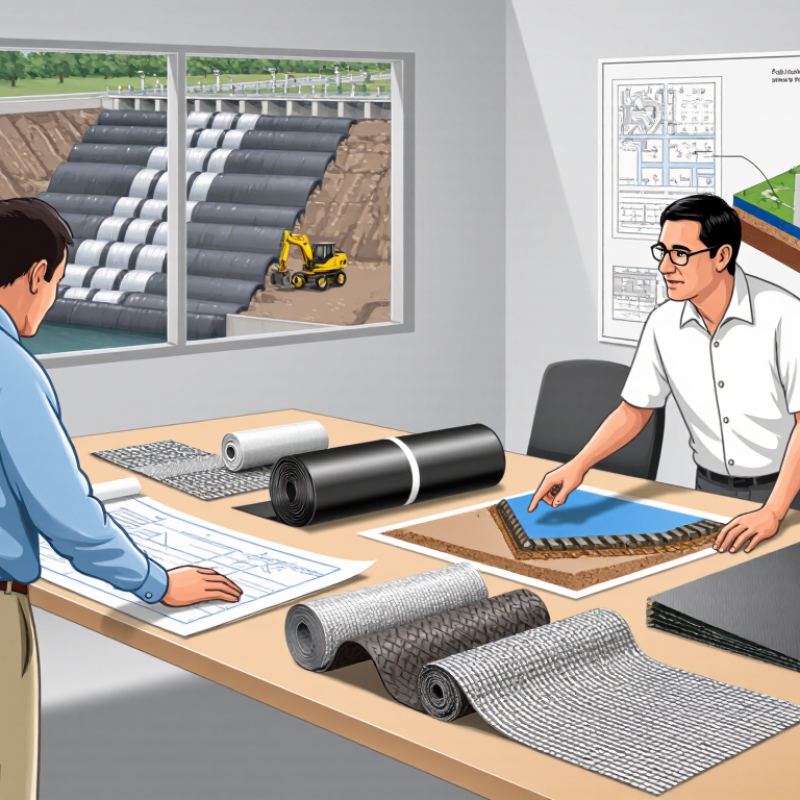
Geosynthetics are engineered polymeric materials used with soil, rock, or water. They improve stability, drainage, separation, filtration, protection, and containment.
The main categories include geotextiles, geomembranes, geogrids, geonets, geocomposites, and geosynthetic clay liners.
These materials are not interchangeable. Site loading, soil chemistry, temperature, installation quality, and design life must guide selection.
A 2024 Grand View Research report estimated the global geosynthetics market at over USD 12 billion, with infrastructure and environmental applications supporting continued growth.
Tips:
Check tensile strength, puncture resistance, permeability, seam quality, and UV exposure data. Request test results under relevant standards, not only product brochures.
During site visits, inspect overlaps, wrinkles, ballast, and damaged areas. Small installation defects can undermine a strong design.
I have seen apparently minor folds create serious concerns during inspection. Material labels can also be confusing.
A clear specification should define function before naming a product type. Buyers should compare lifecycle performance, not simply the lowest purchase price.
Forecasts are useful, but local soil behavior may challenge them. That part deserves careful review.
Ten leading geosynthetic materials serve different engineering needs. They include woven geotextiles, nonwoven geotextiles, geomembranes, geogrids, geocells, geosynthetic clay liners, geonets, drainage geocomposites, erosion-control mats, and geotubes. Each material manages soil, water, load, or erosion in a specific way. For example, geomembranes form low-permeability barriers beneath reservoirs, while geogrids reinforce weak subgrades under roads. Nonwoven geotextiles filter muddy water around drainage trenches. Small details matter.
MarketsandMarkets estimates that the global geosynthetics market could grow from about 13.2 billion US dollars in 2023 to 18.7 billion by 2028. Grand View Research also reports continued annual growth, near 6.4% through 2030. These figures reflect rising infrastructure investment, landfill construction, mining controls, and coastal protection. However, market reports use different definitions. Their totals should not be compared mechanically.
Experienced buyers usually request tensile strength, puncture resistance, permeability, seam performance, and long-term durability data. Laboratory results should follow relevant ASTM or ISO methods. Installation quality remains critical. A strong geomembrane can fail after poor welding or sharp subgrade contact. In practice, specifications are sometimes copied too quickly. That is a weakness. Climate, soil chemistry, ultraviolet exposure, and expected service life must shape the selection. The cheapest roll is rarely the lowest-cost solution.
Representative tensile-strength benchmarks for widely specified geosynthetic materials
The values show representative mid-range tensile-strength levels commonly found in commercial specifications. Actual performance varies by polymer type, mass, thickness, manufacturing method, and applicable test standard. Higher tensile strength can support demanding reinforcement, separation, lining, drainage, and erosion-control applications.
Material choice should follow soil behavior, not catalog popularity. In soft clay, nonwoven geotextiles can separate wet subgrade from aggregate. Their filtration performance depends on apparent opening size, permittivity, and clogging resistance. A geogrid suits weak granular soil when tensile restraint is needed beneath roads or working platforms. In expansive soil, a geomembrane may limit moisture migration, but poor subgrade preparation can still create wrinkles and punctures.
For landfills, buyers should examine chemical resistance, seam strength, and leakage detection. The U.S. EPA Technical Manual specifies a composite liner with a 60-centimeter compacted soil layer. Its hydraulic conductivity must not exceed 1 × 10⁻⁷ centimeters per second.
Drainage projects need geocomposites with verified transmissivity under pressure. The FHWA Geosynthetic Design and Construction Guidelines stress survivability during installation, including resistance to puncture, tearing, and construction traffic.
Project geometry changes the answer. A steep reinforced slope may require a high-strength geogrid and reliable connection testing. A coastal embankment may need filtration against cyclic wave loading and salt exposure. Laboratory figures are not enough. Field moisture, angular aggregate, and careless placement can reduce performance. I would request site-specific soil tests, installation trials, and independent quality records before approving a large purchase. No selection chart is perfect. Performance requirements must remain measurable.
Global buyers should match each geosynthetic material to site conditions, not marketing language. Common options include geotextiles, geomembranes, geogrids, geocomposites, and geocells. A reliable specification should define polymer type, mass, thickness, tensile strength, aperture size, and expected service life. Avoid vague claims such as “premium quality.” Use recognized ISO, ASTM, or EN standards, and record the exact test edition. Test method matters.
Testing must reflect actual project risks. Geotextiles may require tensile, puncture, tear, and permeability testing. Geomembranes need thickness, tensile, seam peel, seam shear, and environmental stress-cracking tests. Geogrids should be checked for junction strength, aperture stability, and long-term creep. Run tests on production samples, not only laboratory prototypes. Field sampling is often overlooked. Results can change with temperature, specimen preparation, and loading speed. Compare test conditions, not numbers alone.
Supplier evaluation requires more than a certificate. Request batch traceability, factory quality procedures, calibration records, and recent third-party reports. Check whether the laboratory is properly accredited for the stated method. Inspect packaging and storage controls, especially for products sensitive to ultraviolet exposure or moisture. Ask for corrective-action records when previous batches failed. Production capacity and installation support also matter during large projects. A low price can conceal inconsistent raw materials or weak documentation. No evaluation is perfect. Even experienced buyers may overtrust attractive datasheets, while practical site evidence remains incomplete.
10 Best Geosynthetic Materials for Global Buyers
Global buyers should compare more than the quoted price. The ten major options include woven and nonwoven geotextiles, geogrids, geomembranes, geocomposites, geosynthetic clay liners, drainage nets, erosion-control mats, geocells, vertical drains, and asphalt interlayers. Each material serves a different function. A geomembrane may control leakage, while a geogrid improves soil reinforcement. Confirm tensile strength, puncture resistance, permeability, and service temperature before ordering.
Regulations can change by destination. Check product testing, chemical documentation, fire requirements, and waste-handling rules with local engineers. Logistics also affects real cost. Rolls need dry storage, strong wrapping, and clear loading plans. A cheaper product can become expensive after port delays, damaged packaging, or import duties. Sustainability deserves careful review. Ask about recycled content, expected service life, repair methods, and end-of-life options. Environmental claims should include test evidence, not only marketing language. One overlooked detail is often the problem.
Tips: Request samples from several suppliers and test them under local soil conditions. Compare delivered cost per square meter, not factory price alone. Keep certificates, inspection photos, and batch numbers. No checklist is perfect. Review assumptions with an independent geotechnical professional before final payment.
To learn more about any of the products and services provided by Abbott Ball Company, Inc., simply complete the form below.