Best Door Hinges to Source at the 2026 Canton Fair?
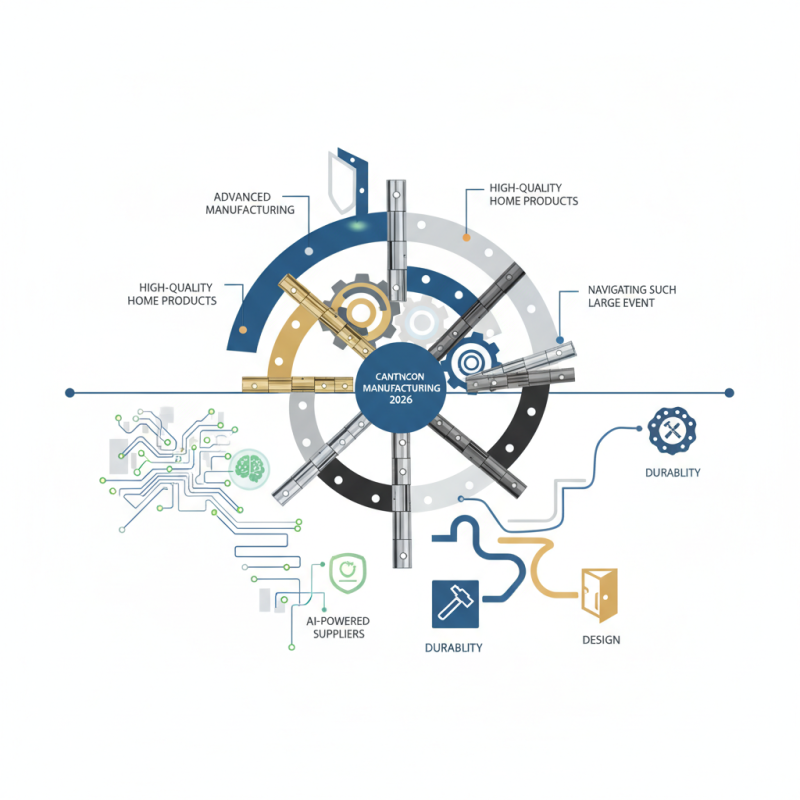
The 2026 Canton Fair will showcase the best Door Hinges. With a focus on advanced manufacturing and high-quality home products, attendees will discover innovative solutions. Door hinges are essential elements in construction and furniture. They ensure functionality and aesthetic appeal.
The fair provides a unique opportunity to connect with certified suppliers. AI-powered features will help buyers find door hinge manufacturers that meet specific certifications like ISO or CE. This technology allows for quick navigation through the expansive venue, simplifying the sourcing process.
However, navigating such a large event can be overwhelming. Buyers may face challenges in identifying the best-quality door hinges amidst numerous options. Reflection on previous sourcing experiences can be beneficial. It is important to focus on both durability and design.
Best Types of Door Hinges to Consider for Residential and Commercial Use
When sourcing door hinges at the 2026 Canton Fair, understanding the different types available is crucial. The market for door hinges is projected to grow significantly, with the global market value expected to reach over $10 billion by 2025 (Market Insights Reports, 2023). For both residential and commercial use, selecting the right hinge can impact functionality and aesthetics.
Residential applications often benefit from lightweight and durable hinge types, such as butt hinges. These come in various materials like stainless steel, which offers corrosion resistance and longevity. A recent report indicates that over 70% of homeowners prefer stainless steel for exterior doors due to its durability (Home Improvement Survey, 2023). Additionally, concealed hinges are gaining popularity for their sleek appearance, especially in modern designs.
For commercial settings, heavy-duty hinges are essential. Continuous hinges are a favorite, providing seamless support along the door's length. They distribute weight evenly and reduce stress on door frames. Nearly 60% of commercial properties reported using continuous hinges to enhance door lifespan and security (Commercial Building Trends, 2023). It’s vital to balance performance and design, while also considering the specific traffic levels of the door location.
Best Door Hinges to Source at the 2026 Canton Fair
| Hinge Type | Material | Load Capacity | Best for | Finish Options |
| Piano Hinge | Steel | High | Heavy Doors | Black, Zinc Plated |
| Self-Closing Hinge | Aluminum | Medium | Residential | Brushed Nickel, Oil Rubbed Bronze |
| Continuous Hinge | Stainless Steel | High | Commercial | Polished, Satin |
| Ball Bearing Hinge | Brass | Medium | Interior Doors | Polished Brass, Satin Chrome |
| Concealed Hinge | Steel | Low | Cabinet Doors | Primed, Painted |
Market Trends and Growth Projections for the Door Hinge Industry in 2026
As we look ahead to 2026, the door hinge industry is experiencing notable changes. Increased demand for energy-efficient buildings drives innovation. Manufacturers focus on creating hinges that reduce friction and enhance functionality. There's a push for sustainable materials, too. Industry players are experimenting with eco-friendly options, but many struggle to balance durability and sustainability.
The market is projected to grow significantly in the coming years. Analysts expect increased interest in customizable solutions. Customers desire unique designs that meet specific needs. This shift challenges manufacturers to invest in advanced technology. However, some companies may find it hard to keep up with the rapid pace of change.
Trade fairs like the Canton Fair present opportunities for networking and showcasing innovations. Companies need to be prepared to adapt. Engaging with international buyers is crucial for growth. Yet, not all exhibitors have a clear strategy. Navigating these trends may prove difficult, but those who embrace change will likely succeed.
Market Trends and Growth Projections for the Door Hinge Industry in 2026
Evaluating Material Quality: Steel vs. Brass vs. Stainless Steel Hinges
When evaluating door hinges, material choice is crucial. Steel, brass, and stainless steel each have unique advantages and drawbacks. Steel is strong and durable. It can support heavy doors well. However, it is prone to rust and may require regular maintenance in damp conditions.
Brass offers a classic look. It is corrosion-resistant and ideal for decorative applications. Yet, brass tends to be softer than steel. Heavy usage could lead to wear over time. Therefore, it may not be the best option for high-traffic areas.
Stainless steel combines durability with resistance to corrosion. It is perfect for both indoor and outdoor use. The finish can also enhance visual appeal. Nonetheless, the initial investment might be higher. Careful selection should consider the door's function and environment. Each material presents its own challenges, requiring thoughtful assessment.
Innovative Designs and Features in Door Hinges: What's Emerging in 2026?
As the 2026 Canton Fair approaches, door hinge innovations are on the rise. Industry reports indicate that the global door hinge market is expected to reach $8.2 billion by 2026, reflecting a compound annual growth rate (CAGR) of 5.2%. This growth is driven by advancements in design and functionality. Manufacturers are focusing on creating hinges that combine durability with aesthetic appeal.
Emerging designs include self-closing and adjustable hinges that enhance convenience. Many of these new models utilize advanced materials, such as stainless steel and composites, which increase resistance to wear and corrosion. Reports suggest that smart hinge systems, integrated with sensors, are also being tested. These systems could potentially transform how doors respond to user interactions. However, the reliability of such technology remains uncertain.
Sustainability is key in 2026. Eco-friendly manufacturing processes are becoming standard. Yet, there’s a growing debate about the recyclability of new materials. Some experts argue that while innovation is vital, companies must also be conscious of their environmental footprint. As the market evolves, balancing innovation with ecological responsibility will be crucial for industry leaders.
Key Manufacturers and Their Product Offerings Shaping the Future of Hinges
As the 2026 Canton Fair approaches, hinge manufacturers play a crucial role in shaping the industry. Recent reports indicate that the global hinge market is expected to reach $12 billion by 2025. Key players are expanding their product lines to meet diverse demands. These include heavy-duty hinges for commercial applications, decorative options for residential use, and specialized hinges for innovative designs.
Manufacturers are innovating rapidly, focusing on sustainability. Many are using recyclable materials, reducing environmental footprints. Reports suggest that 45% of consumers prefer eco-friendly products. This shift influences manufacturing processes. However, not all manufacturers are adapting at the same pace. Some struggle with outdated technologies, hindering their growth potential.
Additionally, the trend toward smart home products is affecting hinge designs. Hinges now integrate sensors and electronic mechanisms. While this opens new possibilities, it also presents challenges. Companies must balance complexity and usability. The future will depend on how well manufacturers navigate these evolving demands.